Voice AI Call Screening: Filter Quality Leads in 2026
Voice AI call screening helps small businesses filter quality leads, reduce spam, and prioritize high-value appointments. Learn how to implement smart call filtering.
TL;DR: Voice AI call screening automatically filters incoming calls, identifies quality leads, and routes high-value prospects while blocking spam. Small businesses using AI screening see 40% fewer junk calls and 25% higher booking rates from qualified leads.
Your phone rings 47 times a day. Half are spam calls selling extended car warranties. A quarter are price shoppers who'll never book. The remaining calls? Those are your actual customers—buried in the noise.
Small businesses lose an average of $12,000 annually to unqualified calls that eat staff time without generating revenue. But 2026's voice AI call screening technology changes this equation entirely.
Instead of answering every call blindly, AI screening asks qualifying questions upfront, filters out time-wasters, and ensures your team only handles calls worth taking.
How Voice AI Call Screening Works
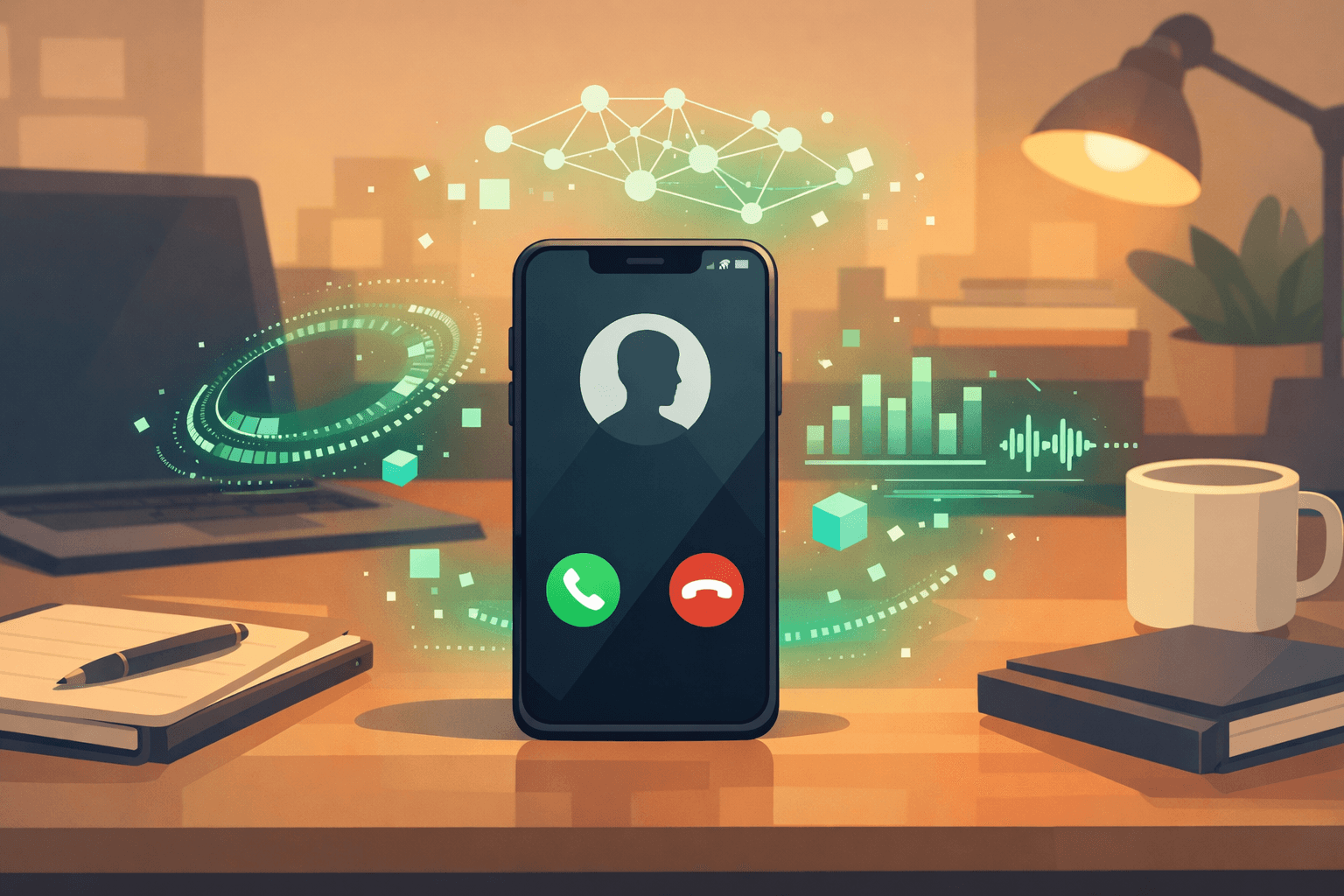
Voice AI screening operates as your first line of defense. When calls come in, the AI handles initial interactions using natural conversation:
- Identity verification: "Hi, this is [Business Name]. How can I help you today?"
- Intent qualification: Determines if callers want appointments, have questions, or are selling something
- Lead scoring: Rates call quality based on responses and transfers accordingly
- Spam detection: Blocks known robocalls and identifies suspicious patterns
The AI makes routing decisions in real-time. Quality leads get transferred to staff immediately. Information requests get handled automatically. Sales calls get politely declined.
Real Screening Scenarios
High-value transfer: "I need a deep tissue massage for tomorrow afternoon. Do you have availability?"
Information handled: "What are your prices for facials?" AI provides pricing and offers booking.
Polite decline: "We're calling about your business loan options." AI responds: "Thanks, but we're not interested. Have a great day."
Quality Lead Identification Criteria
Effective AI screening uses specific criteria to identify worth-your-time callers:
Booking Intent Signals
- Mentions specific services
- Asks about availability or scheduling
- References dates or times
- Uses phrases like "I need" or "Can I book"
Information Seeker Patterns
- Asks about pricing, location, or hours
- Inquires about service details
- Shows genuine interest in learning more
- Responds naturally to AI questions
Red Flag Indicators
- Robotic speech patterns
- Immediate sales pitches
- Requests for business owner specifically
- Background noise suggesting call center
- Generic greetings without business knowledge
AI screening systems learn from your specific business patterns. A massage therapy clinic's quality leads look different from a barbershop's, and the AI adapts accordingly.
Implementation Strategy for Small Businesses
Phase 1: Basic Filtering (Week 1-2)
Start with simple screening rules:
- Block obvious spam patterns
- Transfer service-related inquiries
- Handle basic information requests
- Route emergencies immediately
Phase 2: Advanced Qualification (Week 3-4)
Add sophisticated filtering:
- Ask qualifying questions about service needs
- Collect contact information from prospects
- Score leads based on response quality
- Create custom routing for different call types
Phase 3: Optimization (Month 2+)
Refine based on results:
- Analyze which screening questions work best
- Adjust transfer criteria for your business
- Train AI on industry-specific terminology
- Integrate with your existing booking system
ROI Measurement: What Success Looks Like
Track these metrics to measure screening effectiveness:
Call Quality Metrics:
- Percentage of transferred calls that book appointments
- Average call duration for qualified vs. unqualified leads
- Staff time saved on non-productive calls
- Customer satisfaction with screening experience
Revenue Impact:
- Booking conversion rate from screened calls
- Revenue per qualified call transferred
- Time savings converted to productive activities
- Reduction in missed important calls due to spam overload
Businesses typically see 40% fewer junk calls within 30 days and 25% higher conversion rates from the calls that do reach staff.
Integration with Existing Systems
Voice AI screening works alongside your current setup:
CRM Integration: Qualified leads get logged automatically with call notes and contact details.
Booking Systems: AI can check availability in real-time and offer appointment slots during the screening process.
Staff Workflows: Transferred calls include context about the caller's needs and qualification status.
Reporting Tools: Call screening data feeds into your analytics to track ROI and optimization opportunities.
Platforms like Tersavia integrate directly with booking systems you already use—Vagaro, Boulevard, Mindbody—so screening feels seamless to both staff and customers.
Common Screening Mistakes to Avoid
Over-aggressive filtering: Don't make screening so strict that legitimate customers get blocked. Start conservative and tighten gradually.
Robotic interactions: Ensure AI conversations sound natural. Customers should feel helped, not interrogated.
Ignoring feedback: If customers complain about screening, adjust the approach. The goal is better service, not barriers.
Forgetting staff training: Your team needs to know how screening works and what to expect from transferred calls.
The Bottom Line
Voice AI call screening transforms your phone from a distraction into a qualified lead generator. Instead of playing defense against spam, you're proactively filtering for the calls that matter.
The technology exists today, costs less than a part-time receptionist, and delivers measurable ROI within weeks. The question isn't whether to implement call screening—it's how quickly you can start filtering out the noise.
FAQ
How accurate is voice AI at identifying spam calls?
Modern voice AI achieves 95%+ accuracy at blocking obvious spam and robocalls. It's less accurate with borderline cases, which is why most systems err on the side of transferring questionable calls rather than blocking potential customers.
Will customers be annoyed by AI screening?
When implemented properly, customers appreciate faster service and shorter wait times. The AI should feel helpful, not like a barrier. Most people prefer quick screening to being put on hold.
Can voice AI screening integrate with my current phone system?
Yes, most voice AI platforms integrate with existing phone systems and VoIP services. The integration typically takes 24-48 hours and doesn't require new hardware.
What happens if the AI makes a mistake?
Quality systems include override options and learning mechanisms. Customers can always request transfer to a human, and the AI learns from correction feedback to improve accuracy over time.