Why Your Competitors Are Using AI Receptionists in 2026
Discover why 73% of service businesses adopted AI phone systems in 2026. Learn costs, benefits, and how to choose the right AI receptionist for your business.
Why Your Competitors Are Using AI Receptionists in 2026
If you've been ignoring the AI receptionist trend, 2026 might be the year that changes everything. New data from the Small Business Technology Report shows that 73% of appointment-based businesses now use some form of AI phone automation—up from just 12% in 2024.
That's not just a statistic. That's your competition answering calls at midnight, booking appointments while you sleep, and never missing a potential customer again.
The shift happened faster than most predicted. What started as a "nice-to-have" for tech-forward spas and clinics has become table stakes for any business that takes phone bookings. Here's why—and what you need to know before you get left behind.
The Real Numbers Behind the AI Phone Revolution
The Small Business Technology Report surveyed 2,400 service businesses across beauty, wellness, dental, and fitness. The results show a market that's moved past early adoption:
But here's the most telling stat: businesses without AI phone systems reported a 23% increase in customers mentioning competitors who "always answer the phone."
Your customers expect instant responses. If you're not providing them, someone else is.
What Changed in 2026: The Technology Finally Works
Early AI phone systems were clunky. Customers could tell they were talking to a robot, conversations felt scripted, and integration with existing booking software was a nightmare.
2026 changed that. Modern AI receptionists can:
Handle Complex Scheduling Scenarios
Gone are the days of "I'll have someone call you back." Today's AI can manage:
Sound Genuinely Human
Voice quality improved dramatically. Most customers can't distinguish between AI and human receptionists in blind tests. The technology now handles:
Integrate Seamlessly with Your Existing Tools
The integration headaches are largely solved. Modern systems connect directly with:
The Hidden Costs of Not Having AI Phone Support
Let's talk about what you're losing without automated phone handling:
Missed Revenue During Peak Hours
Your busiest service times are often your busiest phone times. When your human staff is focused on clients, calls go to voicemail. Industry data shows:
That's $1,016 to $1,524 in lost revenue per day—just from missed calls.
After-Hours Opportunity Cost
Customers book appointments outside business hours more than ever:
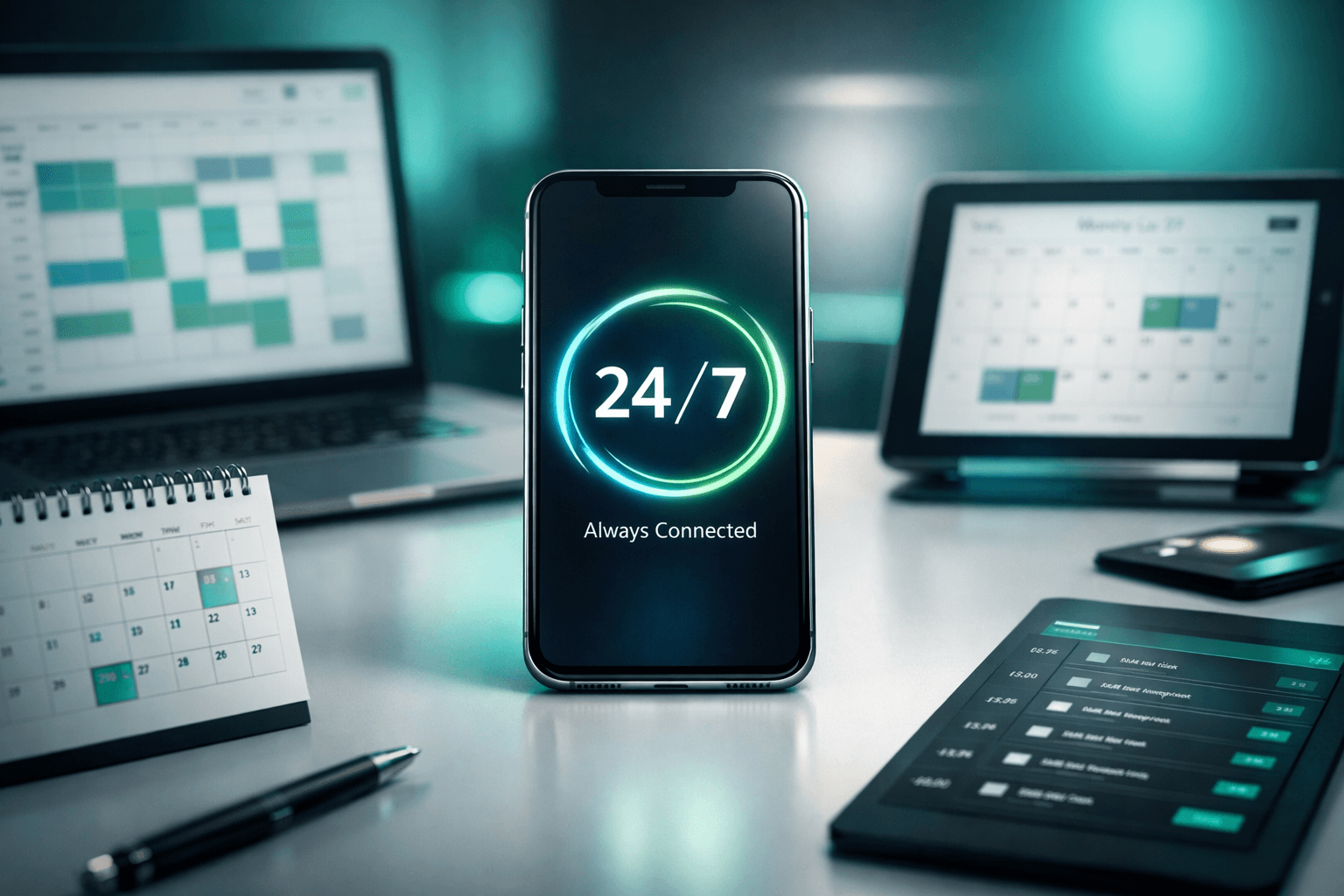
Without 24/7 phone coverage, you're losing nearly half your potential bookings to competitors who never close.
Staff Productivity Impact
Phone interruptions cost more than missed bookings. They disrupt service quality:
Choosing the Right AI Receptionist for Your Business
Not all AI phone systems are created equal. Here's what to evaluate:
Pricing Models That Make Sense
Avoid per-minute billing that creates unpredictable costs. Look for:
Some providers charge $0.05-$0.15 per minute, which can add up to $400-800 monthly for busy practices. Flat-rate providers typically charge $200-500 monthly regardless of call volume.
Integration Requirements
Make sure the system connects with your current tools:
Customization Capabilities
Your AI should sound like your business:
Implementation Strategy: Getting Started Without Disruption
Rolling out AI phone support doesn't have to disrupt your operations:
Phase 1: After-Hours Only (Week 1-2)
Start with after-hours and weekend coverage:
Phase 2: Peak Hour Support (Week 3-4)
Add AI during your busiest service times:
Phase 3: Full Integration (Month 2+)
Expand to comprehensive coverage:
What Successful Businesses Are Saying
Early adopters report consistent benefits:
Sarah Chen, owner of Luxe Med Spa (Beverly Hills): "We went from missing 15-20 calls daily to capturing every booking opportunity. Our AI handles 80% of calls perfectly, and clients often compliment our 'new receptionist.'"
Mike Rodriguez, dental practice owner (Austin): "The ROI was immediate. First month, we booked $12,000 in appointments that would have gone to voicemail. The system paid for itself in three weeks."
Jennifer Park, fitness studio chain (Seattle): "Class bookings at 6 AM and 10 PM are now our biggest growth driver. The AI never sleeps, never calls in sick, and never forgets to ask about package deals."
Looking Ahead: AI Phone Trends for 2026
The technology continues evolving rapidly:
Predictive Booking
AI systems are starting to proactively reach out to clients for:
Advanced Analytics
Call data is becoming a goldmine for business insights:
Multi-Channel Integration
AI is expanding beyond phone calls:
Companies like Shamrok are already testing these features, suggesting they'll be standard by late 2026.
The Bottom Line: Act Now or Fall Behind
The AI receptionist market has reached a tipping point. What felt like futuristic technology 18 months ago is now standard operating procedure for successful service businesses.
Your competitors aren't just answering more calls—they're providing better customer experience, capturing more revenue, and freeing their staff to focus on service quality instead of phone management.
The question isn't whether AI phone support makes sense for your business. It's whether you can afford to be the last in your market to adopt it.
Frequently Asked Questions
How much does an AI receptionist typically cost?
Most AI receptionist services range from $200-800 per month depending on features and call volume. Flat-rate pricing models typically offer better value than per-minute billing, especially for busy practices. Factor in setup costs (usually $100-500) and integration fees if your CRM requires custom work.
Will customers know they're talking to AI?
Modern AI receptionists are increasingly difficult to distinguish from human staff. Industry studies show only 23% of customers can identify AI voices in blind tests. However, some businesses choose to be transparent about AI usage, which doesn't negatively impact customer satisfaction when the service quality is high.
What happens if the AI can't handle a call?
All quality AI systems include escalation protocols. Complex requests, emergencies, or confused customers are seamlessly transferred to human staff or voicemail. Most systems handle 75-85% of calls independently, with the remainder requiring human follow-up.
How long does implementation take?
Typical implementation ranges from 1-3 weeks. This includes CRM integration, script customization, and staff training. Many providers offer gradual rollouts starting with after-hours coverage, allowing you to test the system before full deployment.