Voicemail Response Automation: Smart Follow-Up Systems
Discover how voicemail response automation helps small businesses convert missed calls into bookings with smart follow-up systems and AI-powered callbacks.
Voicemail Response Automation: Smart Follow-Up Systems
TL;DR: Voicemail response automation transforms how small businesses handle missed calls by instantly analyzing voicemails, categorizing inquiries, and triggering personalized follow-ups. This technology helps service businesses recover 40-60% more revenue from missed calls while reducing manual follow-up work by 80%.
Your phone rings during a busy Tuesday afternoon service. A potential client wants to book a facial for this weekend, but you can't answer mid-appointment. They leave a voicemail asking about availability and pricing. By the time you check messages at closing, they've already booked elsewhere.
This scenario plays out thousands of times daily across salons, spas, and wellness clinics. Traditional voicemail systems create a black hole where potential revenue disappears. But voicemail response automation is changing that dynamic entirely.
What Is Voicemail Response Automation?
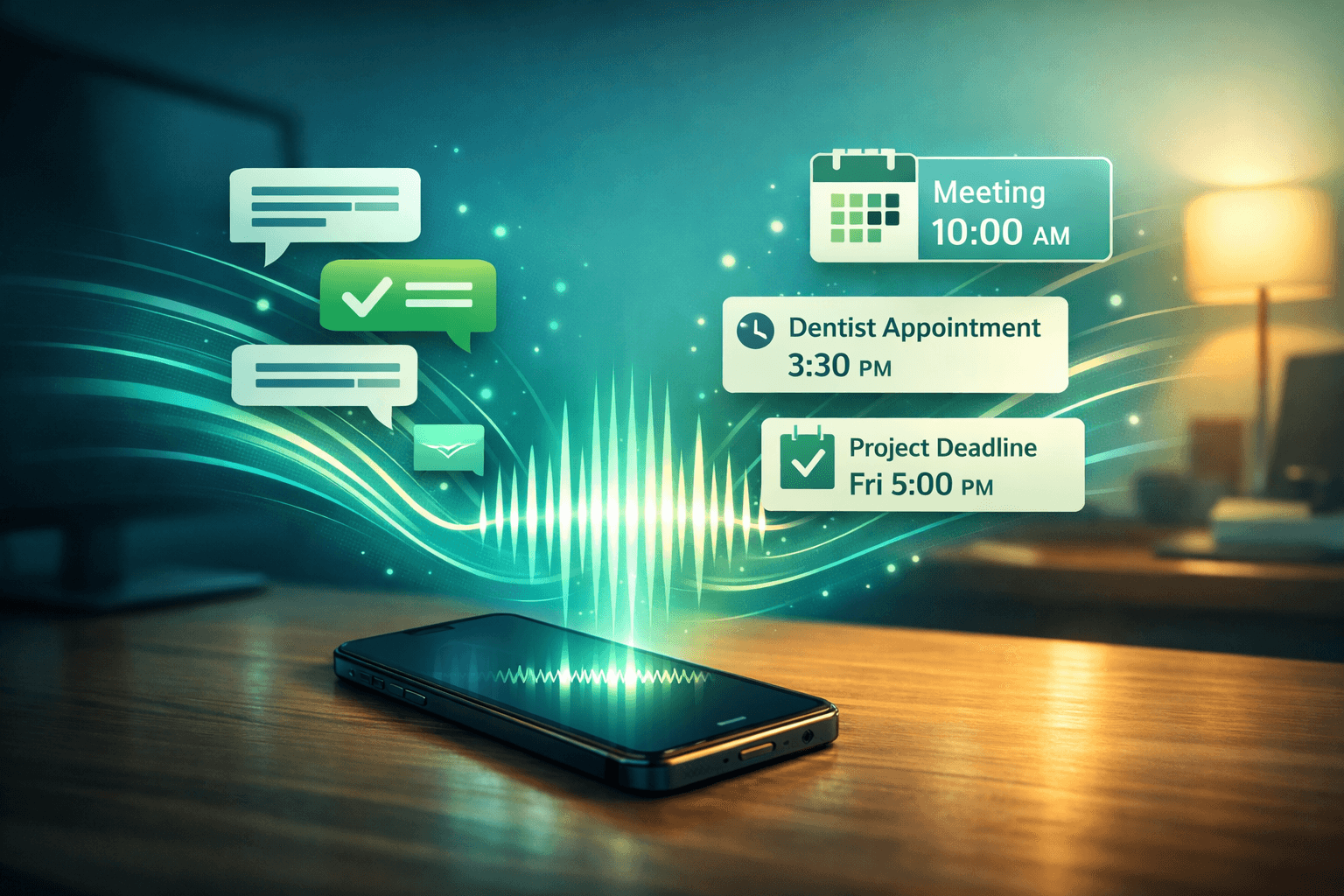
Voicemail response automation uses AI to analyze incoming voicemails, extract key information, and trigger immediate follow-up actions. Unlike simple auto-reply systems, these platforms understand context, intent, and urgency levels.
The technology works in three phases:
Analysis Phase: AI transcribes the voicemail and identifies key elements—appointment requests, service inquiries, cancellations, or complaints. Advanced systems recognize emotional cues and urgency markers.
Classification Phase: Each voicemail gets categorized by type and priority. A same-day appointment request gets tagged as "urgent," while a general pricing inquiry receives "standard" priority.
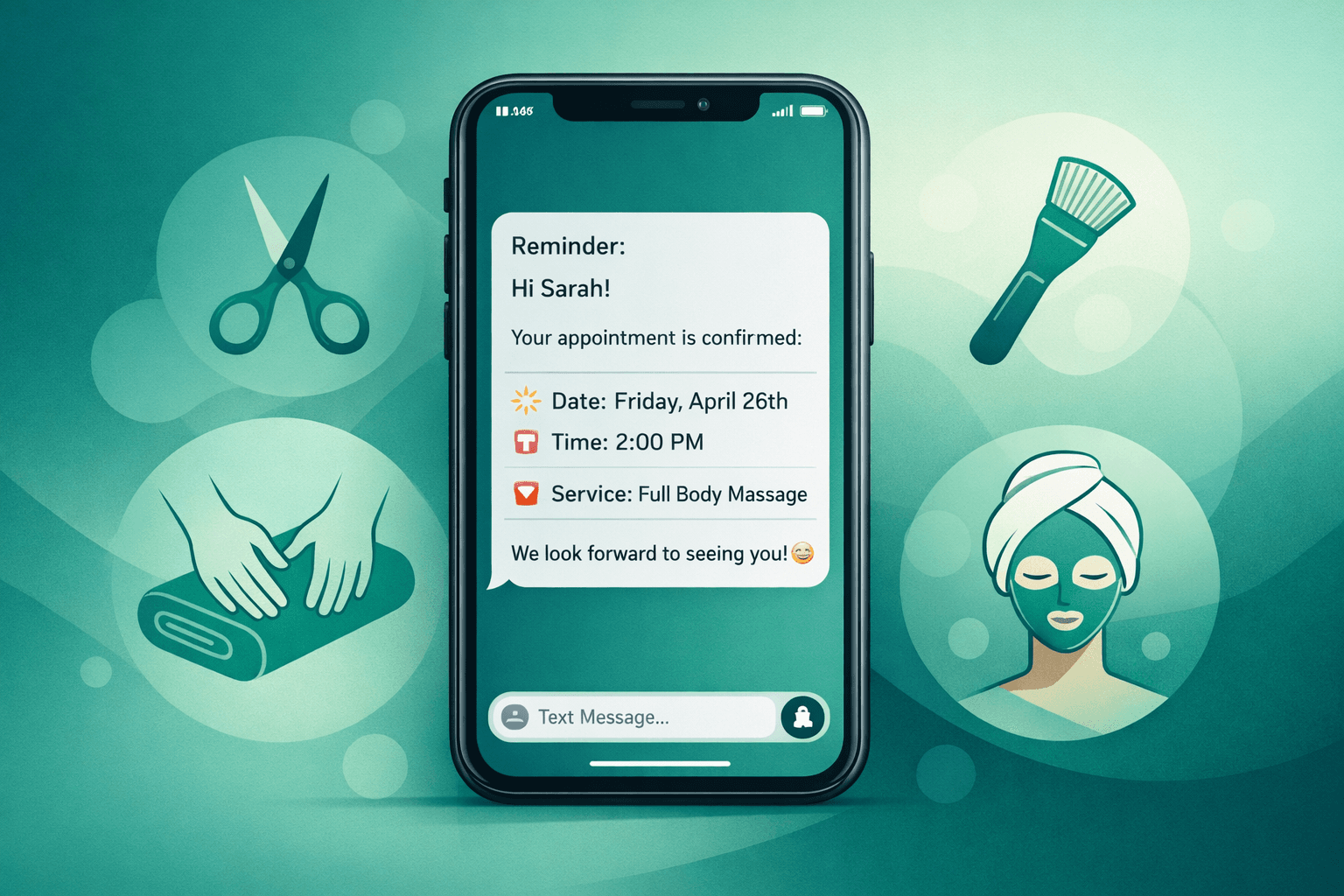
Response Phase: Automated workflows trigger personalized follow-ups via text, email, or callback scheduling based on the caller's preferences and the inquiry type.
The Revenue Impact of Automated Voicemail Response
Service businesses lose an average of $2,400 monthly to missed calls, according to 2026 industry data. Voicemail response automation typically recovers 40-60% of this lost revenue through faster, more consistent follow-up.
Speed Matters: Leads contacted within 5 minutes are 21 times more likely to convert than those contacted after 30 minutes. Automated systems can send initial responses within 2-3 minutes of receiving a voicemail.
Consistency Wins: Manual follow-up systems fail 35% of the time due to staff oversight, busy periods, or end-of-day fatigue. Automated systems maintain 98%+ follow-up rates.
Personalization Scales: Modern systems craft responses using the caller's name, specific service mentioned, and preferred contact method—all without human intervention.
Setting Up Voicemail Response Workflows
Effective voicemail response automation requires strategic workflow design tailored to your business operations.
Appointment Request Workflows
For appointment-related voicemails, create workflows that:
Service Inquiry Workflows
General service questions need different handling:
Urgent Issue Workflows
Some voicemails require immediate attention:
These should trigger priority alerts to staff while sending holding responses to callers.
Integration with Existing Business Systems
Voicemail response automation works best when integrated with your current tech stack.
CRM Connections: Systems should log voicemail interactions in Vagaro, Boulevard, Mindbody, or your preferred platform. This creates a complete customer communication history.
Calendar Integration: Real-time availability checking prevents double-bookings and reduces back-and-forth messaging about scheduling conflicts.
Payment Processing: For businesses requiring deposits, automated systems can include secure payment links in follow-up messages.
Staff Notification Systems: Critical voicemails should still alert key staff members while automated responses handle initial customer contact.
Measuring Automation Success
Track these metrics to optimize your voicemail response system:
Response Time: Average time from voicemail to initial follow-up. Target under 5 minutes for appointment requests.
Conversion Rate: Percentage of voicemails that result in booked appointments or sales. Industry benchmark ranges from 15-25% for manual follow-up, 25-40% for automated systems.
Follow-up Completion: Percentage of voicemails that receive appropriate responses. Aim for 95%+ completion rates.
Customer Satisfaction: Survey responses and callback feedback about the automated experience.
Common Implementation Mistakes
Avoid these pitfalls when deploying voicemail response automation:
Over-Automation: Not every voicemail needs automated response. Complex service questions or emotional concerns often require human touch.
Generic Messaging: Templates that don't reference specific caller details feel impersonal and reduce conversion rates.
Poor Escalation Rules: Failing to route urgent or complex voicemails to staff quickly creates customer service issues.
Inadequate Testing: Systems that misinterpret voicemails or send inappropriate responses damage business reputation.
The Human Element
Effective voicemail automation enhances rather than replaces human interaction. The goal is handling routine inquiries automatically while ensuring complex situations reach qualified staff promptly.
Consider implementing "AI-first, human-backup" workflows where automation handles initial response and triage, but staff can seamlessly take over when needed. Some voice AI platforms like Shamrok offer this hybrid approach, maintaining the personal touch clients expect while ensuring no inquiry goes unanswered.
Future of Voicemail Response Technology
Voicemail response automation continues evolving with advances in natural language processing and business system integration. Expect to see:
Small businesses implementing voicemail response automation today position themselves ahead of competitors still relying on manual follow-up processes.
Frequently Asked Questions
How accurate is AI at understanding voicemails?
Modern voicemail transcription accuracy exceeds 90% for clear audio. Advanced systems can handle accents, background noise, and colloquial speech patterns effectively.
Can automated responses handle complex service questions?
Basic automation works well for standard inquiries about pricing, availability, and services. Complex questions should trigger staff alerts while sending acknowledgment messages to callers.
What happens if the automation sends an inappropriate response?
Quality systems include human oversight options and easy correction mechanisms. Staff can review and modify responses before sending, especially during initial implementation.
How much does voicemail response automation cost compared to hiring staff?
Automation typically costs 60-80% less than equivalent staff coverage while providing 24/7 availability. Most systems pay for themselves within 2-3 months through recovered missed-call revenue.