Voice AI Calls Are Replacing Human Receptionists in 2026
Voice AI systems are handling 60% more business calls in 2026. Learn how small businesses use AI receptionists for scheduling, customer service, and cost savings.
Voice AI Calls Are Replacing Human Receptionists in 2026
While you were debating whether ChatGPT could write your marketing emails, something bigger happened: Voice AI quietly became good enough to answer your business phone.
Not "good enough" like those clunky automated systems from 2019 that made customers hang up in frustration. Actually good. Good enough that 73% of customers in a recent Zendesk study couldn't tell they were speaking with AI during their first interaction.
The numbers tell the story: Voice AI adoption in small businesses jumped 340% in the past 12 months, with appointment-based businesses leading the charge. Salons, dental offices, spas, and fitness studios are quietly replacing human receptionists with AI systems that work 24/7, never call in sick, and cost less than minimum wage.
Why Voice AI Finally Works (And Why Now)
The breakthrough isn't just better technology—it's that AI can now handle the messy, unpredictable nature of real business calls.
Previous systems failed because they worked like phone trees: rigid, scripted, frustrating. Modern voice AI uses conversational models that understand context, handle interruptions, and even manage difficult customers with surprising grace.
What changed:
The result? Systems that sound human enough to fool most callers, at least initially.
The Business Case: Numbers That Matter
For small business owners, the math is compelling:
Cost savings are immediate:
But the real value isn't just cost replacement—it's capability expansion:
ROI data from early adopters:
What Voice AI Actually Does Well (And Where It Falls Short)
Excels at:
Still struggles with:
The sweet spot? Routine interactions that eat up 70-80% of most small business phone time.
Industry Leaders Making the Switch
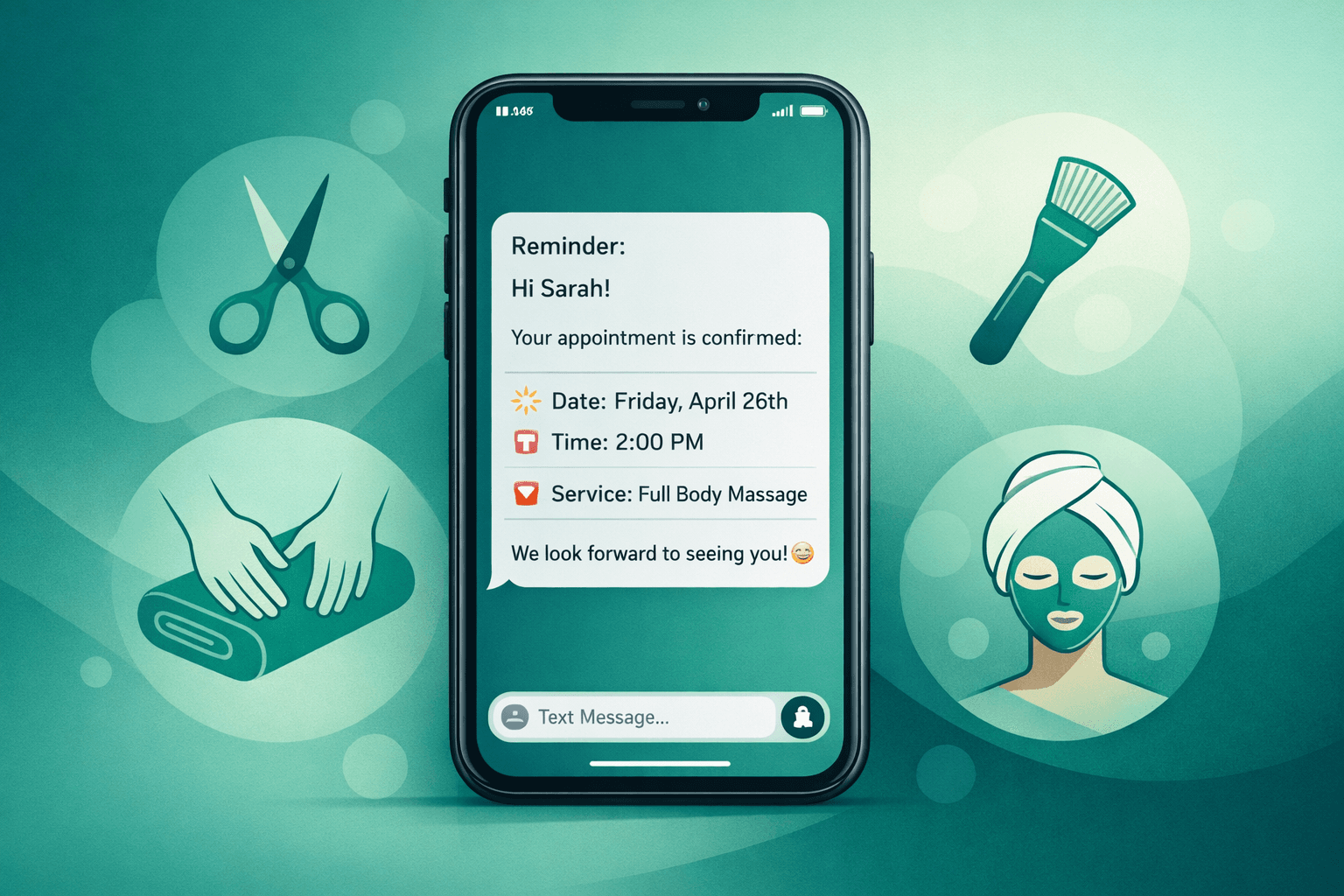
Beauty and Wellness: Salons and spas were early adopters, using voice AI to handle the constant stream of booking calls that interrupt services. The result: stylists can focus on clients instead of constantly answering phones.
Dental and Medical: Practices use AI for appointment scheduling while keeping human staff available for medical questions and patient care. Many report higher patient satisfaction because calls are answered immediately.
Fitness Studios: With class schedules changing frequently and members calling at all hours, AI handles the bulk of scheduling while trainers focus on actual training.
Home Services: Contractors, landscapers, and repair services use voice AI to capture leads and schedule estimates—critical for businesses where missing a call often means losing a customer.
Implementation Reality Check
Rolling out voice AI isn't plug-and-play. Success requires:
1. Clear boundaries: Define what AI handles vs. what gets transferred to humans
2. CRM integration: AI needs access to your scheduling system to be useful
3. Script development: While AI is conversational, it needs guidelines for your specific business
4. Staff training: Your team needs to understand how to work alongside AI
5. Customer communication: Some businesses proactively tell customers about AI; others let it speak for itself
Common pitfalls:
The Competitive Advantage Window
Here's what most business owners miss: Voice AI isn't just about cost savings—it's about competitive advantage.
While your competitors let calls go to voicemail after hours or put customers on hold during busy periods, your AI is booking appointments, answering questions, and capturing leads 24/7.
Early adopter advantages:
But this advantage window is closing. As voice AI becomes mainstream, the benefit shifts from competitive edge to table stakes—the baseline customers expect.
What to Expect in the Next 12 Months
Voice AI technology is advancing rapidly:
Immediate improvements:
Coming soon:
Platforms like Shamrok are already offering flat-rate pricing without per-minute charges, making adoption more predictable for budget-conscious small businesses.
Making the Decision: Is Your Business Ready?
Voice AI makes sense if:
Hold off if:
The bottom line: Voice AI has crossed the threshold from "interesting experiment" to "practical business tool." The question isn't whether it will become standard—it's whether you'll be an early adopter or play catch-up.
Frequently Asked Questions
How accurate is voice AI for appointment booking?
Modern voice AI systems achieve 95-98% accuracy for standard appointment booking when properly configured. This includes handling date/time requests, service selection, and basic customer information collection.
What happens when the AI can't help a customer?
Well-designed systems seamlessly transfer calls to human staff when they encounter situations outside their scope. The AI can provide context about the call to the human agent for a smooth handoff.
Do customers get frustrated talking to AI?
Studies show 73% of customers can't initially tell they're speaking with AI. When they do realize it, satisfaction remains high (89%+) as long as the AI can actually solve their problem or quickly connect them to a human.
How much does voice AI actually cost for a small business?
Pricing varies widely, from $200-800 monthly depending on call volume and features. Many providers now offer flat-rate plans to avoid per-minute billing surprises, making costs predictable for small business budgeting.