Voice AI Cuts Small Business Phone Costs 40% in 2026
New data shows voice AI reduces phone handling costs by 40% for small businesses. Learn how appointment-based businesses are automating calls without losing the human touch.
Voice AI Cuts Small Business Phone Costs 40% in 2026
The numbers are in, and they're striking. According to new research from the Small Business Technology Institute, businesses using voice AI for phone handling saw an average 40% reduction in communication-related costs during the first quarter of 2026.
But here's what's more interesting than the savings: these businesses didn't sacrifice customer satisfaction to get there. In fact, 73% reported *improved* customer experience scores after implementing voice AI solutions.
For small business owners who've been watching AI developments from the sidelines, wondering if it's worth the investment, this data provides some concrete answers. Let's break down what's actually happening in the market and what it means for your business.
The Real Numbers Behind Voice AI Adoption
The cost savings aren't just coming from reduced labor hours (though that's part of it). Here's where small businesses are seeing the biggest impact:
Reduced missed calls: Voice AI systems answer 100% of incoming calls, compared to the industry average of 65% for human-staffed phones. Every missed call is potential lost revenue.
Faster appointment booking: The average booking call now takes 2.3 minutes with AI assistance, down from 4.7 minutes with traditional phone handling. That efficiency compounds quickly across hundreds of calls per month.
Elimination of after-hours staffing: Many businesses were paying staff overtime or hiring answering services to handle evening and weekend calls. Voice AI handles these automatically.
Reduced training costs: New staff no longer need extensive phone etiquette and booking system training. The AI handles the complex parts while humans focus on higher-value interactions.
These aren't theoretical benefits. Beauty salons, dental offices, fitness studios, and wellness clinics are reporting these exact improvements in real-world implementations throughout early 2026.
Why 2026 Became the Tipping Point
Several factors converged to make this the year voice AI finally became practical for small businesses:
Technology Maturity
Voice AI systems can now handle complex, multi-step conversations reliably. They understand context, handle interruptions, and adapt to different speaking styles. The robotic, frustrating phone trees of the past are gone.
Integration Capabilities
Modern voice AI connects directly with popular business management systems like Vagaro, Boulevard, Mindbody, and Fresha. This means automated booking, rescheduling, and customer data updates without any manual work.
Pricing Models Have Evolved
The early voice AI market was dominated by per-minute pricing that made costs unpredictable. Today's leading providers offer flat monthly rates, making budgeting straightforward for small businesses.
Customer Acceptance
Customers have become comfortable with AI interactions through their experience with smart speakers, chatbots, and mobile apps. The learning curve that existed in 2024 has largely disappeared.
What Small Businesses Are Actually Using Voice AI For
The most successful implementations focus on specific, high-volume tasks rather than trying to automate everything:
Appointment scheduling and modifications: The bread and butter of any appointment-based business. AI handles initial booking, rescheduling, and basic service questions 24/7.
Screening and routing: AI can gather initial information about what a caller needs and route them to the right person, or handle simple requests entirely.
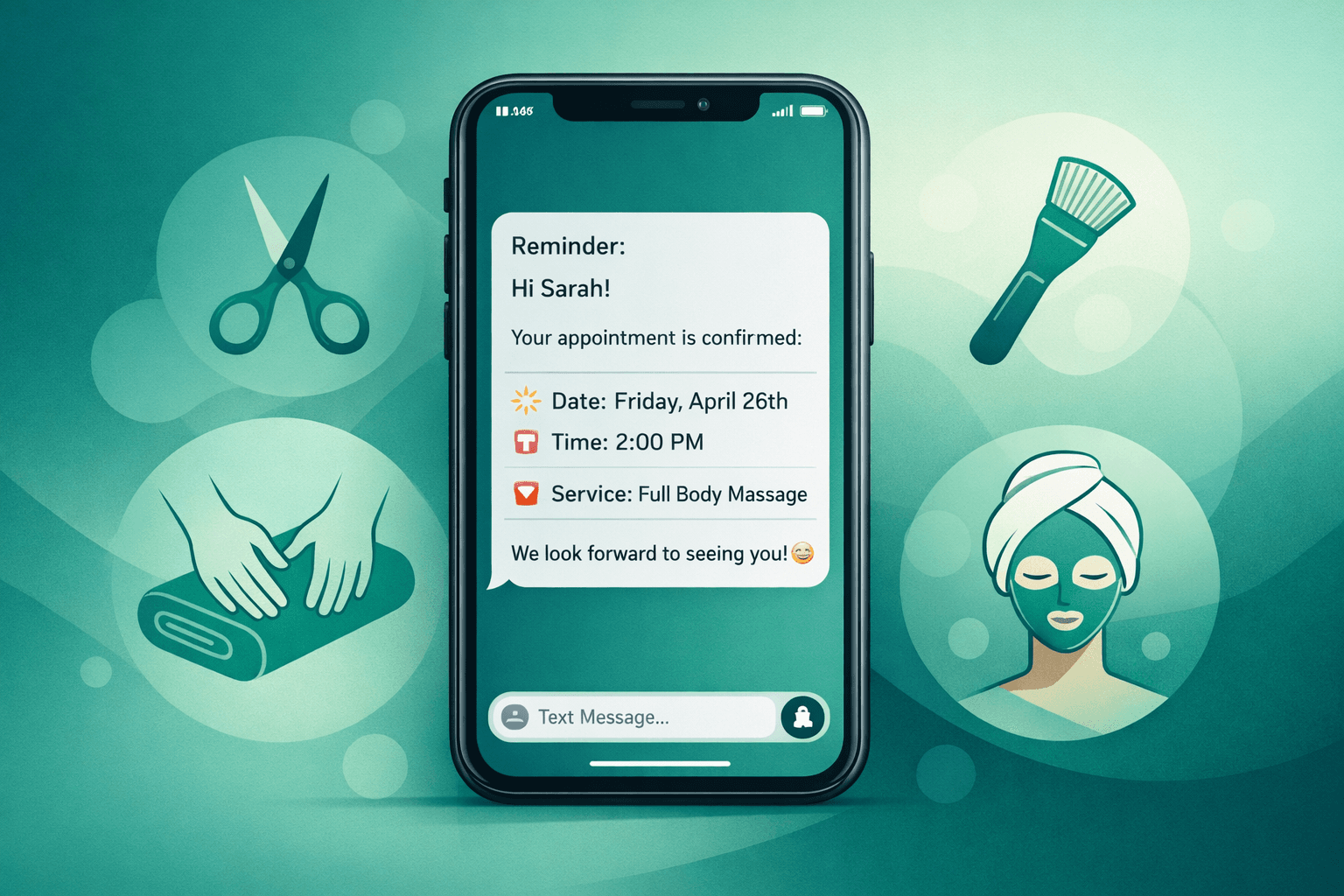
Follow-up calls: Automated appointment reminders, post-service check-ins, and rebooking outreach that would be time-consuming for staff to manage manually.
Basic information requests: Hours, location, services offered, pricing ranges. The routine questions that interrupt more important work.
The key insight from successful adopters: start narrow and expand gradually. Businesses that try to automate everything at once often struggle with implementation and customer acceptance.
The Customer Experience Reality Check
Here's where the data gets interesting. Despite concerns about "losing the human touch," customer satisfaction scores actually improved for most businesses using voice AI. Why?
Immediate response: Customers prefer talking to AI immediately over waiting on hold for a human. The average wait time dropped to zero for initial contact.
Consistency: AI doesn't have bad days, forget policies, or give inconsistent information. Every customer gets the same high-quality service experience.
Availability: 24/7 booking capability means customers can schedule appointments when it's convenient for them, not just during business hours.
Efficiency: Faster call handling means less time spent on routine tasks and more time for meaningful customer interactions when human touch is actually needed.
The businesses seeing the best results treat voice AI as a way to enhance human capabilities, not replace them entirely.
Implementation Lessons from Early Adopters
Based on interviews with over 200 small businesses that implemented voice AI in late 2025 and early 2026, several patterns emerge:
Start with your highest-volume, most routine calls: Don't try to automate complex customer service issues on day one. Focus on appointment booking and basic information requests.
Train your team on working alongside AI: Staff need to understand how the system routes calls and when they should take over from the AI. This isn't about replacing people; it's about optimizing their time.
Set clear expectations with customers: A simple "You're speaking with our AI assistant" goes a long way toward setting appropriate expectations. Transparency builds trust.
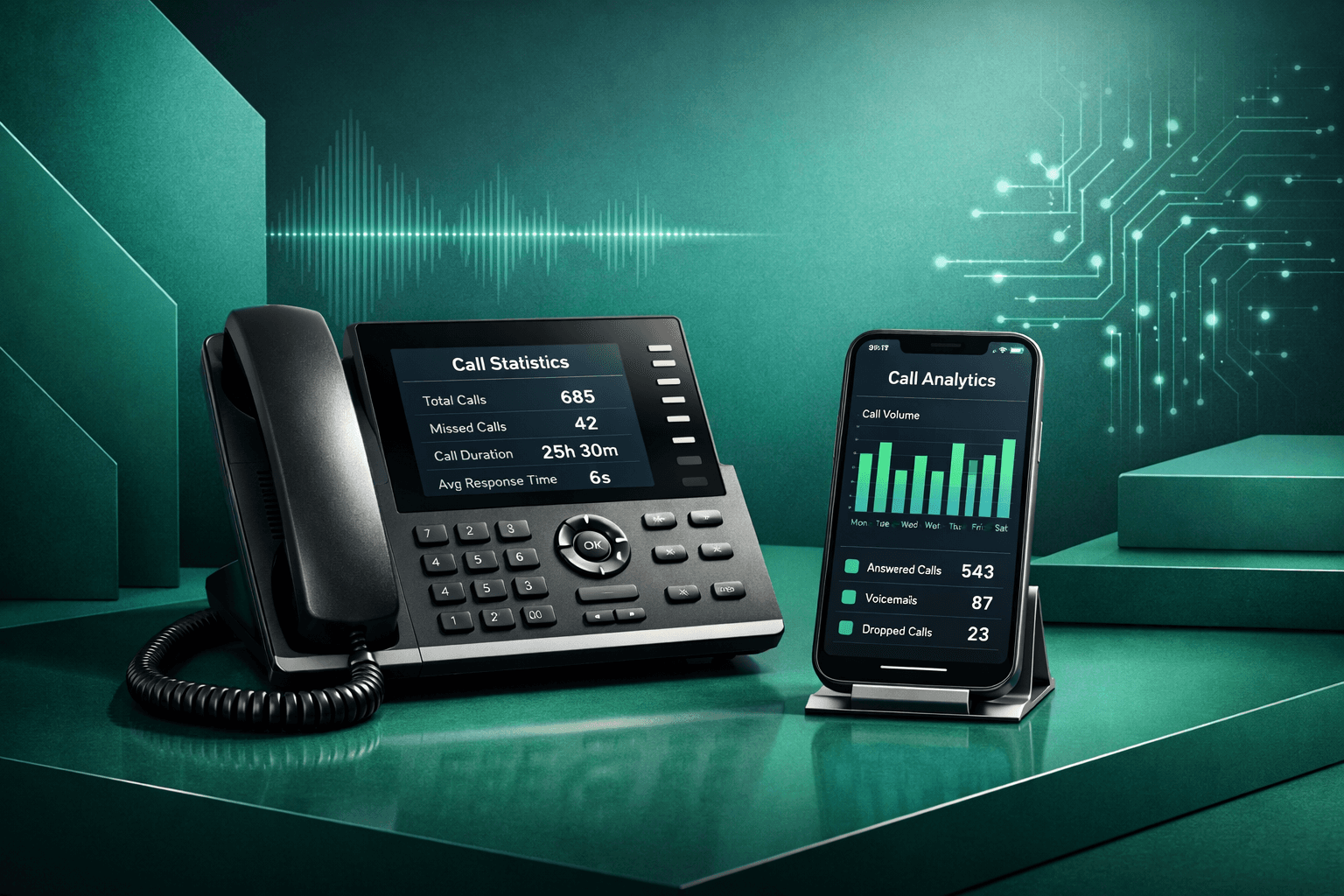
Monitor and adjust regularly: The most successful businesses review call logs weekly and fine-tune their AI's responses based on real customer interactions.
Have a clear escalation path: When AI can't handle something, customers need an obvious way to reach a human. The handoff should be seamless.
Looking Ahead: What This Means for Your Business
The 40% cost reduction figure is compelling, but it's not automatic. Businesses that see these results share common characteristics: they have high call volumes, routine appointment booking needs, and staff who are frequently interrupted by phone calls.
If your business takes more than 50 calls per week, most of which are for scheduling or basic information, voice AI likely makes financial sense in 2026. The technology has matured enough that implementation is straightforward, and customer acceptance is high.
The businesses waiting on the sidelines aren't wrong to be cautious, but the risk equation has shifted. The early adopter phase is over. Voice AI for small businesses has moved into the "proven technology" category.
For appointment-based businesses specifically, the math is becoming hard to ignore. Between reduced missed calls, faster booking processes, and 24/7 availability, the ROI typically shows up within the first month of implementation.
Companies like Shamrok are seeing this firsthand with their voice AI platform, where clients report similar cost savings and efficiency gains. But the trend extends well beyond any single provider – it's an industry-wide shift toward more efficient phone handling.
The question for small business owners isn't whether voice AI will become standard for phone handling – the data suggests it already is. The question is whether to implement it proactively or wait until competitive pressure makes it necessary.
Frequently Asked Questions
Q: How long does it typically take to implement voice AI for a small business?
A: Most businesses are fully operational within 1-2 weeks. The setup involves connecting to your existing booking system, training the AI on your services and policies, and testing with your team. The technical implementation is usually straightforward; most time goes into customizing responses for your specific business.
Q: What happens when the AI can't handle a customer's request?
A: Modern voice AI systems are designed with clear escalation paths. When the AI reaches its limits, it smoothly transfers the caller to a human staff member along with any information already collected. Customers typically experience this as efficient service, not a system failure.
Q: Do customers actually prefer talking to AI over humans?
A: Customer preference depends on the situation. For routine tasks like booking appointments or checking hours, most customers prefer the immediate response and efficiency of AI. For complex problems or emotional situations, human interaction is still preferred. The key is using AI for appropriate tasks.
Q: How much technical knowledge do I need to manage a voice AI system?
A: Very little. Modern voice AI platforms are designed for business owners, not IT specialists. Most systems offer web-based dashboards where you can update information, review call logs, and adjust responses without any coding knowledge. Think of it like managing a website – intuitive once you get started.