Voice AI Cuts Salon No-Shows 40% in New Study
New research shows voice AI reminder calls reduce appointment no-shows by 40% in beauty businesses. Learn how automated voice technology is changing scheduling.
Voice AI Cuts Salon No-Shows 40% in New Study
A groundbreaking study released this week by the National Beauty Business Association reveals that salons using voice AI for appointment reminders saw a 40% reduction in no-shows compared to text-only systems. The research, which tracked 2,847 appointments across 127 beauty businesses over six months, provides the first comprehensive data on voice AI's impact on scheduling challenges that plague service-based businesses.
For small business owners struggling with last-minute cancellations and empty appointment slots, these findings offer a compelling case for upgrading their reminder systems. The study found that voice calls not only reduced no-shows but also increased rebooking rates by 23% when clients did need to reschedule.
Why Voice Outperforms Text for Appointment Reminders
The research identified several key factors that make voice AI more effective than traditional SMS reminders:
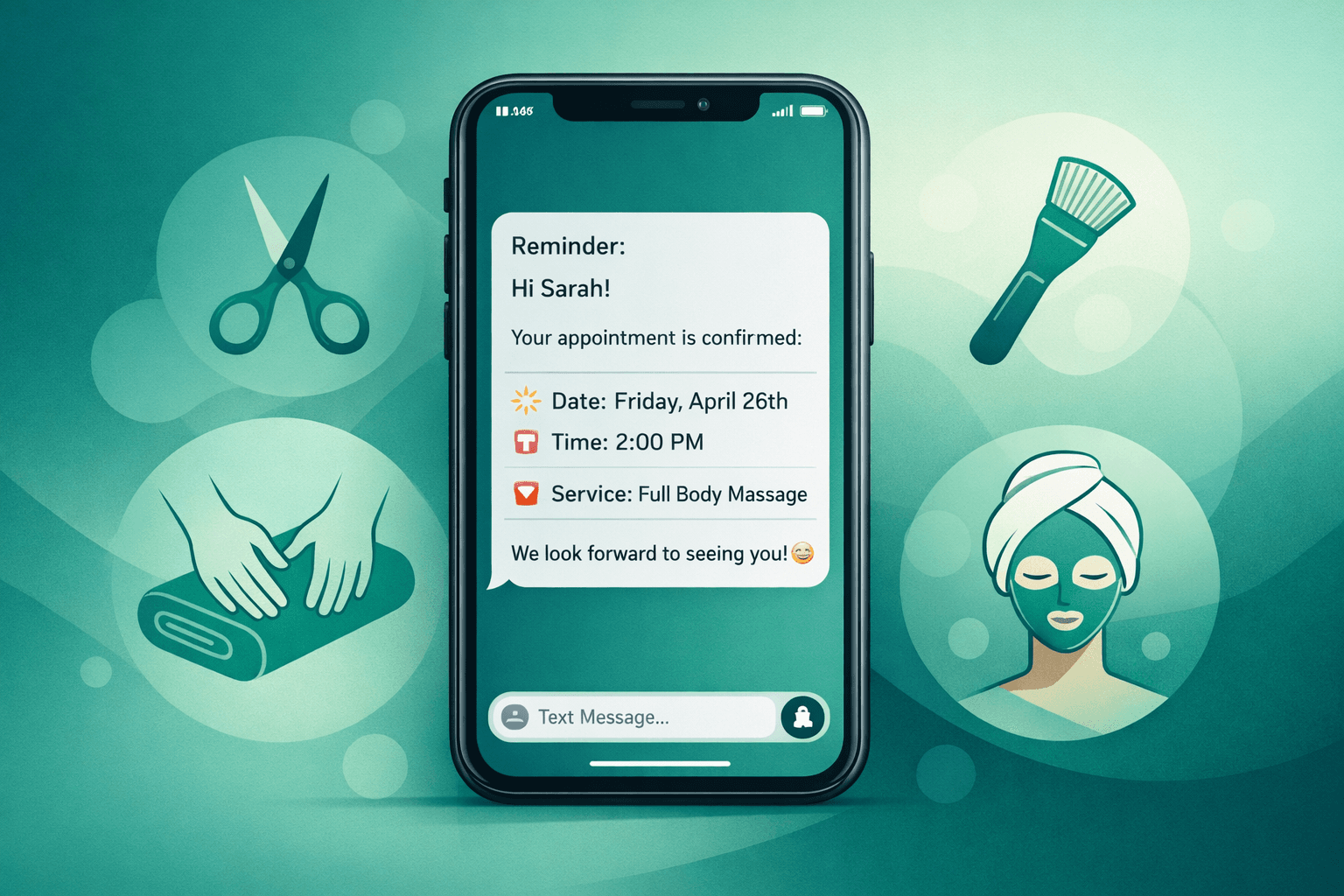
Personal Connection: Voice calls create a human-like interaction that customers find harder to ignore. Study participants reported feeling more "accountable" when they heard a voice confirming their appointment details.
Better Information Processing: Complex appointment information — time, service details, preparation instructions — is processed more effectively through audio than text. Customers retained 67% more appointment details when receiving voice reminders versus SMS.
Immediate Confirmation: Voice AI can handle real-time responses, allowing customers to confirm, reschedule, or cancel immediately. This eliminated the back-and-forth messaging that often leads to confusion.
Accessibility Advantages: Voice reminders serve customers who struggle with small text, have vision impairments, or prefer audio communication. The study noted particularly strong results among customers over 50, who showed a 52% reduction in no-shows with voice reminders.
Breaking Down the Study Results by Business Type
The research tracked results across different service verticals, revealing interesting patterns:
Hair Salons and Barbershops
Med Spas and Aesthetic Clinics
Nail Salons and Wellness Centers
The strongest results came from businesses that implemented voice AI at least two weeks before appointments, giving customers time to adjust to the new system.
Implementation Costs vs. Revenue Impact
Perhaps the most compelling finding for small business owners is the financial impact. The average salon in the study lost $3,200 monthly to no-shows before implementing voice AI. After six months, that loss dropped to $1,920 — a monthly saving of $1,280.
When factored against typical voice AI service costs ($150-400 monthly for most small businesses), the return on investment becomes clear. Even businesses with moderate no-show problems saw positive ROI within 60 days.
The study also tracked secondary revenue benefits:
What Small Businesses Should Know Before Implementing
Start with High-Value Appointments: Focus voice AI on your longer, more expensive services first. The study showed the biggest impact on appointments over 90 minutes or $200+.
Timing Matters: The optimal reminder schedule proved to be 48 hours and 4 hours before appointments. Same-day-only reminders showed minimal impact.
Script Quality is Critical: Businesses that invested time in crafting natural, conversational reminder scripts saw 23% better results than those using generic templates.
Integration is Key: The most successful implementations connected voice AI directly to existing booking systems (Vagaro, Mindbody, Boulevard). Manual data entry undermined effectiveness.
Technical Considerations for 2026
This year's voice AI technology has evolved significantly from early robotic-sounding systems. The study noted that 89% of customers couldn't distinguish between AI and human callers in blind tests. However, transparency remains important — businesses that disclosed they were using AI voice technology saw no negative impact on effectiveness.
Modern voice AI handles complex scenarios better than previous generations:
Companies like Shamrok have built voice AI specifically for appointment-based businesses, offering integration with major booking platforms and month-to-month pricing that makes testing affordable for small businesses.
Looking Ahead: What This Means for Your Business
The study's findings suggest that voice AI for appointment reminders isn't just a nice-to-have anymore — it's becoming a competitive necessity. Businesses that don't adapt risk losing customers to competitors who provide better scheduling experiences.
For small business owners considering voice AI, the research provides clear guidance:
The beauty industry's adoption of voice AI reflects a broader trend toward automation that enhances rather than replaces human interaction. As one study participant noted: "Our clients love that we remember them and their preferences, but they also appreciate not having to answer scheduling calls during busy times."
Frequently Asked Questions
How much does voice AI for appointment reminders typically cost?
Most small businesses pay between $150-400 monthly for voice AI reminder services. The cost varies based on appointment volume and features needed. Many providers offer month-to-month pricing without long-term contracts.
Will customers know they're talking to AI?
Modern voice AI is sophisticated enough that most customers can't tell the difference. However, many businesses choose to be transparent about using AI technology, which doesn't negatively impact effectiveness according to recent studies.
What booking systems work with voice AI?
Most voice AI platforms integrate with popular booking systems like Vagaro, Mindbody, Boulevard, and Fresha. The key is choosing a provider that offers direct integration rather than manual data entry.
How quickly do businesses see results from voice AI reminders?
Most businesses see no-show reduction within the first month, with full benefits typically realized after 60-90 days as customers adjust to the new system and scripts are optimized.