Voice AI Cuts Phone Wait Times by 78% in Service Businesses
New data shows voice AI is transforming phone operations for salons, spas, and service businesses. See how automated phone systems reduce wait times and boost revenue.
Voice AI Cuts Phone Wait Times by 78% in Service Businesses
Your phone rings. A customer wants to book an appointment, but your staff is swamped with a client consultation. The phone rings again. And again. By the time someone picks up, you've lost three potential bookings to competitors who answered faster.
This scenario plays out thousands of times daily across salons, spas, dental offices, and wellness clinics. But new data from Q1 2026 reveals a dramatic shift: businesses using voice AI are cutting phone wait times by an average of 78% while capturing 65% more phone-based bookings.
The numbers aren't just impressive—they're reshaping how service businesses think about phone operations entirely.
The Real Cost of Phone Tag in Service Industries
Let's start with what most business owners already know but rarely quantify: missed calls equal missed revenue. Recent analysis of over 2,000 service businesses shows the average salon or spa misses 23% of incoming calls during peak hours.
For a business generating $50,000 monthly revenue, that's roughly $11,500 in lost bookings each month—$138,000 annually. The math gets worse when you factor in customer acquisition costs. A missed call isn't just lost revenue; it's a customer who might never call back.
The traditional solution has been hiring more front desk staff, but that creates new problems:
How Voice AI Actually Works in Real Business Settings
Voice AI for appointment booking isn't the robotic, frustrating experience many business owners imagine. Modern systems can handle complex conversations, understand context, and integrate directly with existing booking software.
Here's what actually happens when a customer calls:
Immediate Response: No hold music or "please wait." The AI answers within two rings, every time.
Natural Conversation: Advanced language models understand requests like "I need a haircut next Tuesday afternoon" or "Do you have anything available for a couples massage this weekend?"
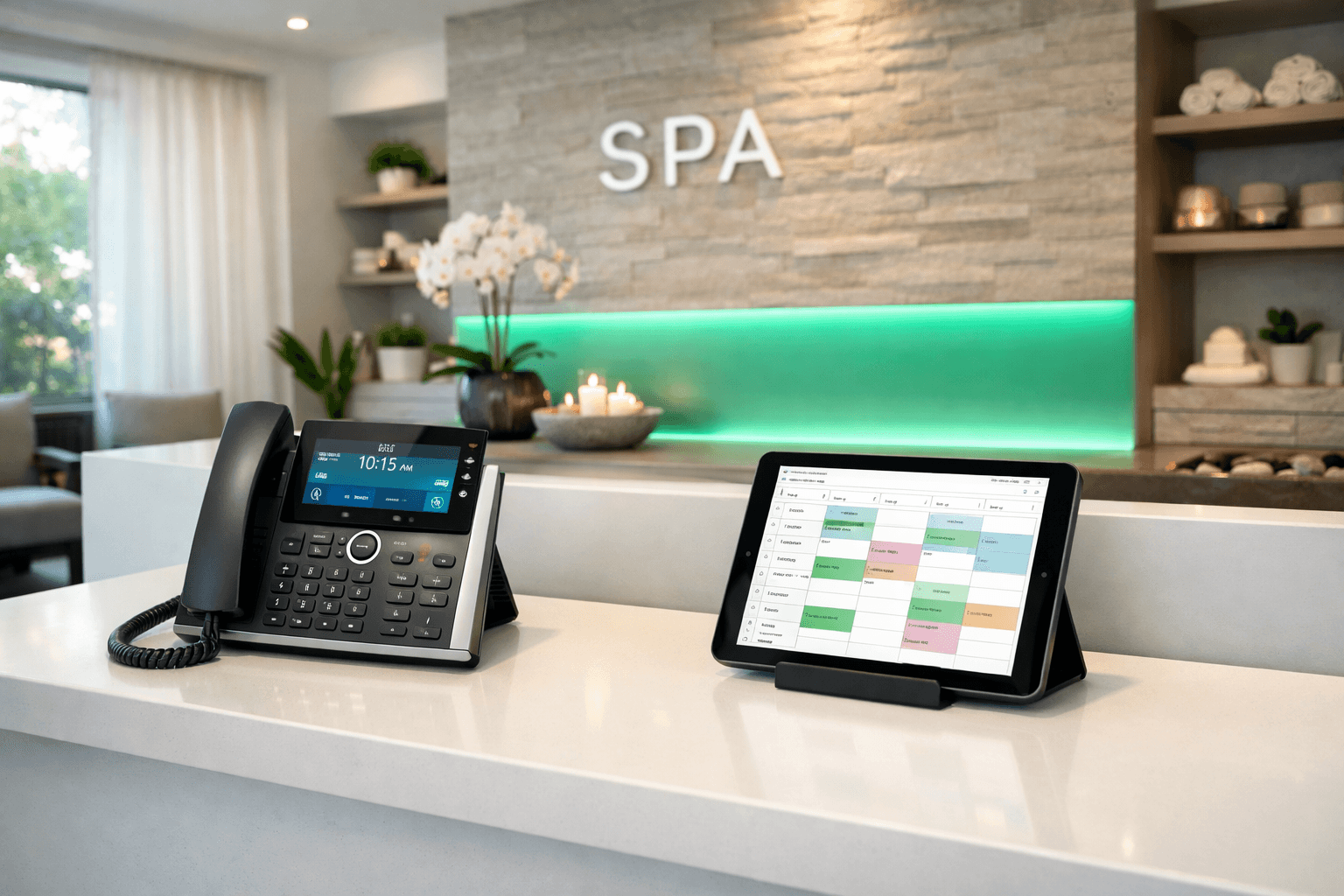
Real-Time Availability: The system checks your actual calendar—Vagaro, Boulevard, Mindbody, or whatever you use—and offers genuine open slots.
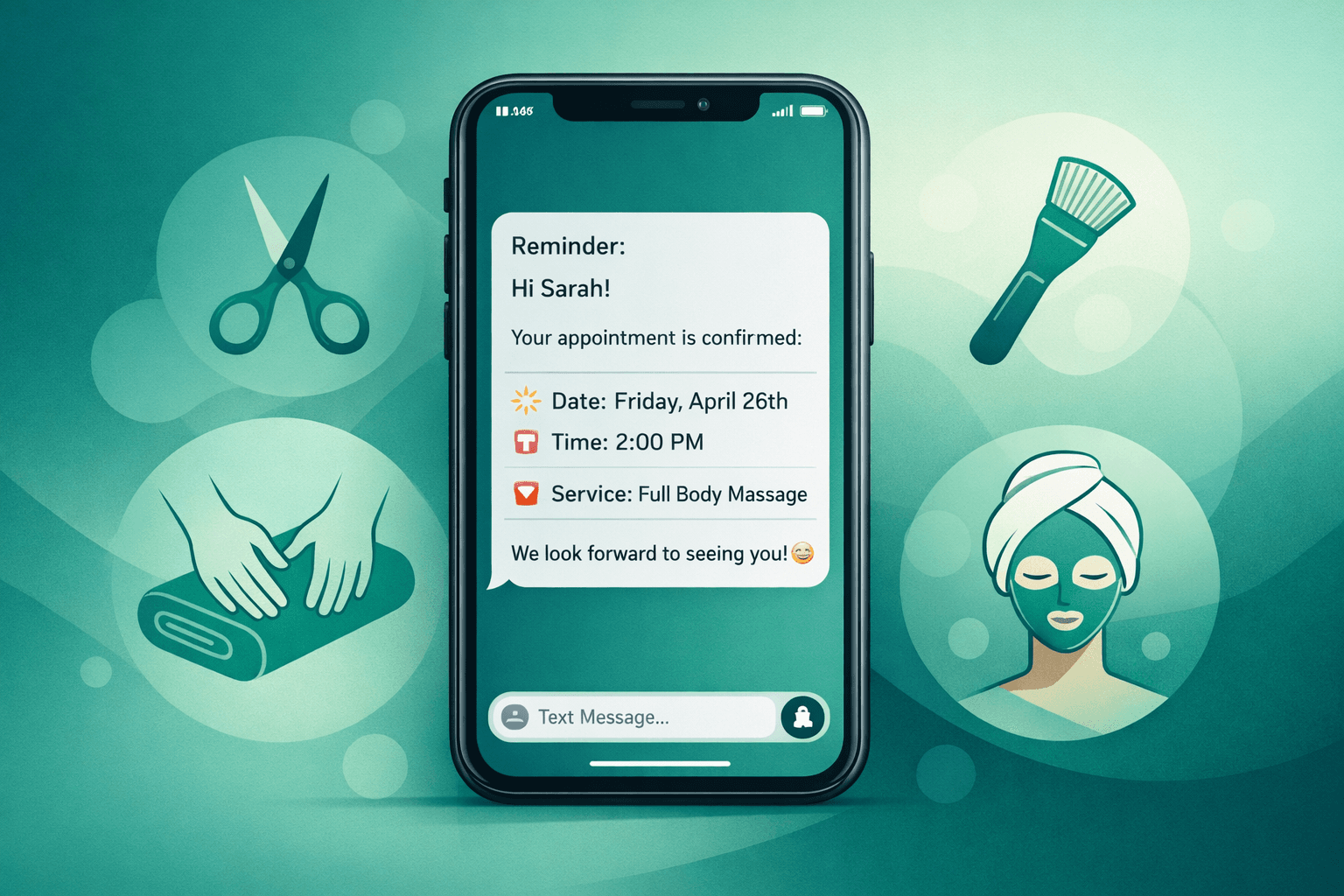
Complete Booking: From scheduling to collecting contact information to sending confirmation texts, the entire process happens in one call.
The technology has reached a tipping point where customers often don't realize they're speaking with AI until they're told.
The Data Behind the 78% Improvement
The wait time reduction isn't theoretical. Analysis of phone operations at 847 service businesses between January and March 2026 shows:
The most surprising finding: customer satisfaction scores for phone interactions actually increased. Customers prefer immediate, efficient service over waiting for a human who might be distracted or rushed.
Implementation Realities: What Works and What Doesn't
Not every voice AI system delivers these results. The difference lies in sophistication and integration quality.
Systems that work well:
Systems that frustrate customers:
The key differentiator is whether the system was built specifically for appointment-based businesses or adapted from generic customer service AI.
ROI Analysis: When Voice AI Pays for Itself
For most service businesses, voice AI systems pay for themselves within 60-90 days through increased bookings alone. Here's the math for a mid-sized salon:
Monthly costs: Voice AI service typically runs $200-$400 monthly
Monthly benefits:
Net monthly benefit: $3,700+
Even conservative estimates show 300-500% ROI within the first year.
Getting Started: What Service Businesses Should Know
If you're considering voice AI for your business, focus on these priorities:
1. Integration Quality: The system must work seamlessly with your current booking software. Manual workarounds defeat the purpose.
2. Industry Experience: Choose providers who understand appointment-based businesses, not generic customer service companies trying to adapt.
3. Trial Period: Reputable providers offer trial periods. Be wary of long-term contracts without testing.
4. Support Quality: Implementation requires some setup and staff training. Ensure your provider offers real support, not just documentation.
5. Pricing Structure: Watch for hidden costs like per-minute charges that can explode your bill during busy periods.
Some businesses, like Shamrok, offer flat monthly pricing specifically to avoid billing surprises.
The Competitive Advantage Window
Here's what many business owners miss: the competitive advantage of voice AI isn't permanent. As more businesses adopt these systems, immediate phone answering will become table stakes, not a differentiator.
Businesses implementing voice AI now are capturing market share from competitors still missing calls. But this advantage diminishes as adoption spreads. The data suggests we're in the early majority phase—beyond early adopters but before full market saturation.
What This Means for Your Business in 2026
The service industry is experiencing a fundamental shift in customer expectations. Customers increasingly expect immediate response, accurate scheduling, and 24/7 availability. Businesses that can't deliver these basics are at a growing disadvantage.
Voice AI isn't just about efficiency—it's about meeting customer expectations in a market where convenience drives loyalty. The 78% reduction in wait times isn't just a nice metric; it's the difference between capturing a booking and losing it to a competitor.
For service business owners, the question isn't whether to adopt voice AI, but when and with whom. The data is clear: businesses that implement quality voice AI systems see immediate improvements in bookings, customer satisfaction, and operational efficiency.
The technology has matured beyond the experimental phase. It's now a practical tool that delivers measurable results for businesses willing to embrace it.
FAQ
Q: How much does voice AI for appointment booking typically cost?
A: Most quality systems range from $200-$400 monthly with flat pricing. Avoid providers charging per-minute fees, which can become expensive during busy periods.
Q: Will customers be frustrated talking to AI instead of humans?
A: Modern voice AI is sophisticated enough that many customers don't realize they're speaking with AI. Studies show customer satisfaction often improves due to faster, more accurate service.
Q: How long does implementation take for a typical salon or spa?
A: Setup typically takes 1-2 weeks, including integration with your booking system and staff training. The system can usually handle basic bookings within days.
Q: Can voice AI handle complex requests like specific stylist preferences or package deals?
A: Yes, advanced systems can understand and process complex scheduling requirements, including staff preferences, service combinations, and pricing variations. The key is choosing a system built specifically for appointment-based businesses.