Voice AI Cuts Phone Time 40% for Service Businesses in 2026
New voice AI data shows service businesses save 40% on phone handling time. Learn how salons, spas, and clinics are automating bookings without losing the human touch.
Voice AI Cuts Phone Time 40% for Service Businesses in 2026
If you run a salon, spa, dental office, or any appointment-based business, you know the phone never stops ringing. Booking appointments, answering questions about services, handling cancellations — it adds up fast. Your staff spends hours each week on calls that could be automated.
New data from Q1 2026 shows that service businesses using voice AI are cutting their phone handling time by an average of 40%. That's not just efficiency — it's money back in your pocket and staff who can focus on what they do best: serving customers.
The Real Cost of Manual Phone Management
Let's talk numbers. The average salon receives 50-80 calls per week. If each call takes 3-5 minutes (including booking time, questions, and follow-up), that's 4-7 hours of staff time weekly just on the phone.
At $18/hour for front desk staff, you're looking at $72-126 per week, or $3,700-6,500 annually — just for basic phone tasks. And that doesn't account for:
Med spas and dental offices see even higher call volumes, with some reporting 100+ weekly calls during peak seasons.
How Voice AI Actually Works in Practice
Voice AI for appointment booking isn't the robotic, frustrating experience you might imagine. Modern systems sound natural and handle complex conversations.
Here's what a typical interaction looks like:
Customer: "Hi, I'd like to book a massage for next Thursday."
AI: "I'd be happy to help you book a massage. What time works best for you on Thursday?"
Customer: "Maybe around 2 PM? And I want the deep tissue option."
AI: "Perfect. I have a 90-minute deep tissue massage available at 2:15 PM with Sarah, or 2:30 PM with Mike. Which would you prefer?"
The AI accesses your real-time calendar, knows your service menu, and can handle rebooking, cancellations, and basic service questions. When it encounters something complex — like a specific medical question or custom request — it smoothly transfers to staff.
What the 40% Time Savings Actually Means
That 40% reduction breaks down into specific areas:
Routine Bookings: 60% Automated
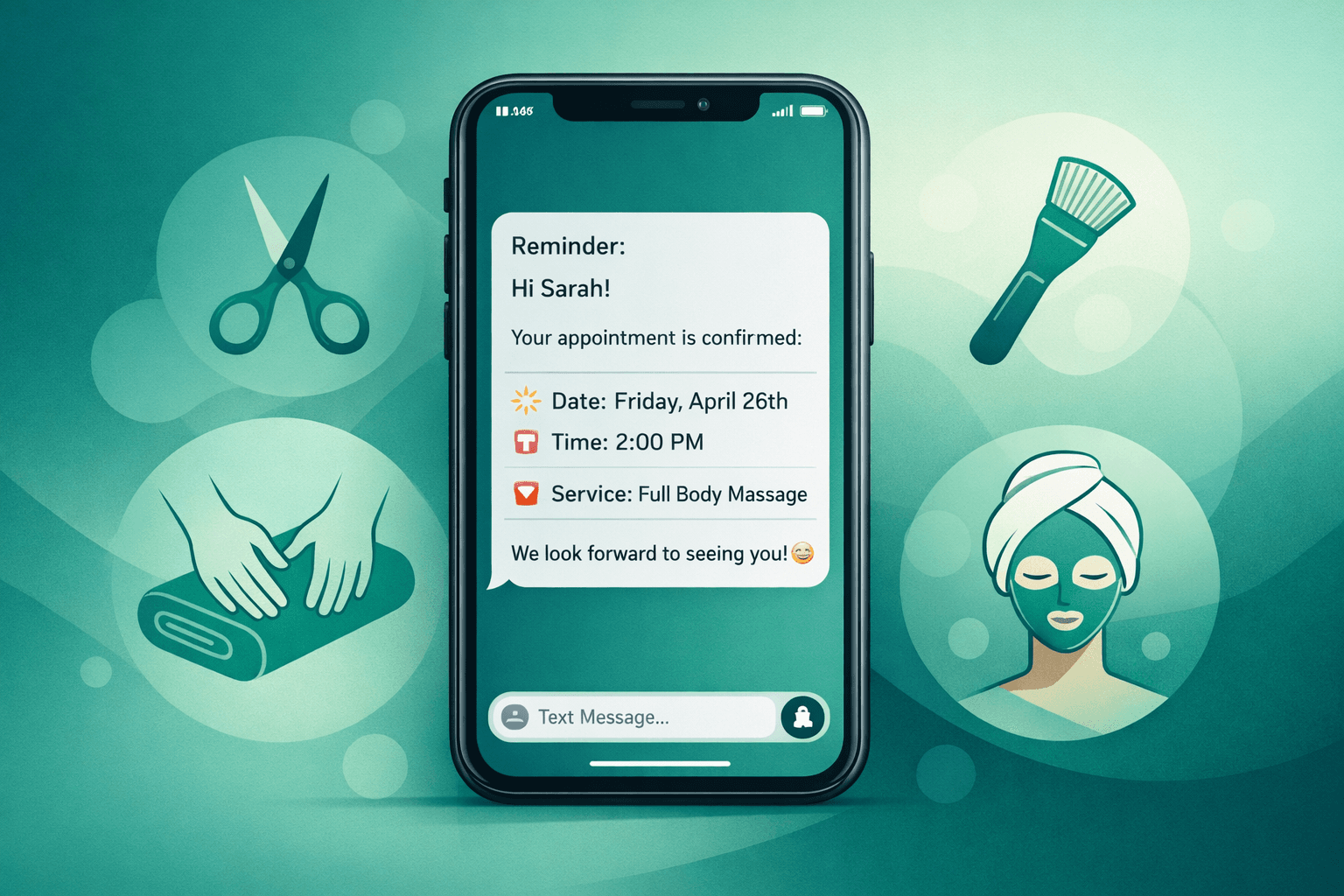
Simple appointment requests, rebooking, and cancellations happen without staff intervention. The AI handles scheduling logic, confirms availability, and sends confirmation texts.
Service Questions: 35% Automated
Basic questions about pricing, services, and policies get answered immediately. The AI knows your menu and can explain service differences without tying up staff.
After-Hours Capture: 100% Automated
Every call outside business hours gets handled. Customers book online or leave detailed messages that get processed first thing in the morning.
Real Business Impact: Beyond Time Savings
Beyond the obvious efficiency gains, businesses are seeing unexpected benefits:
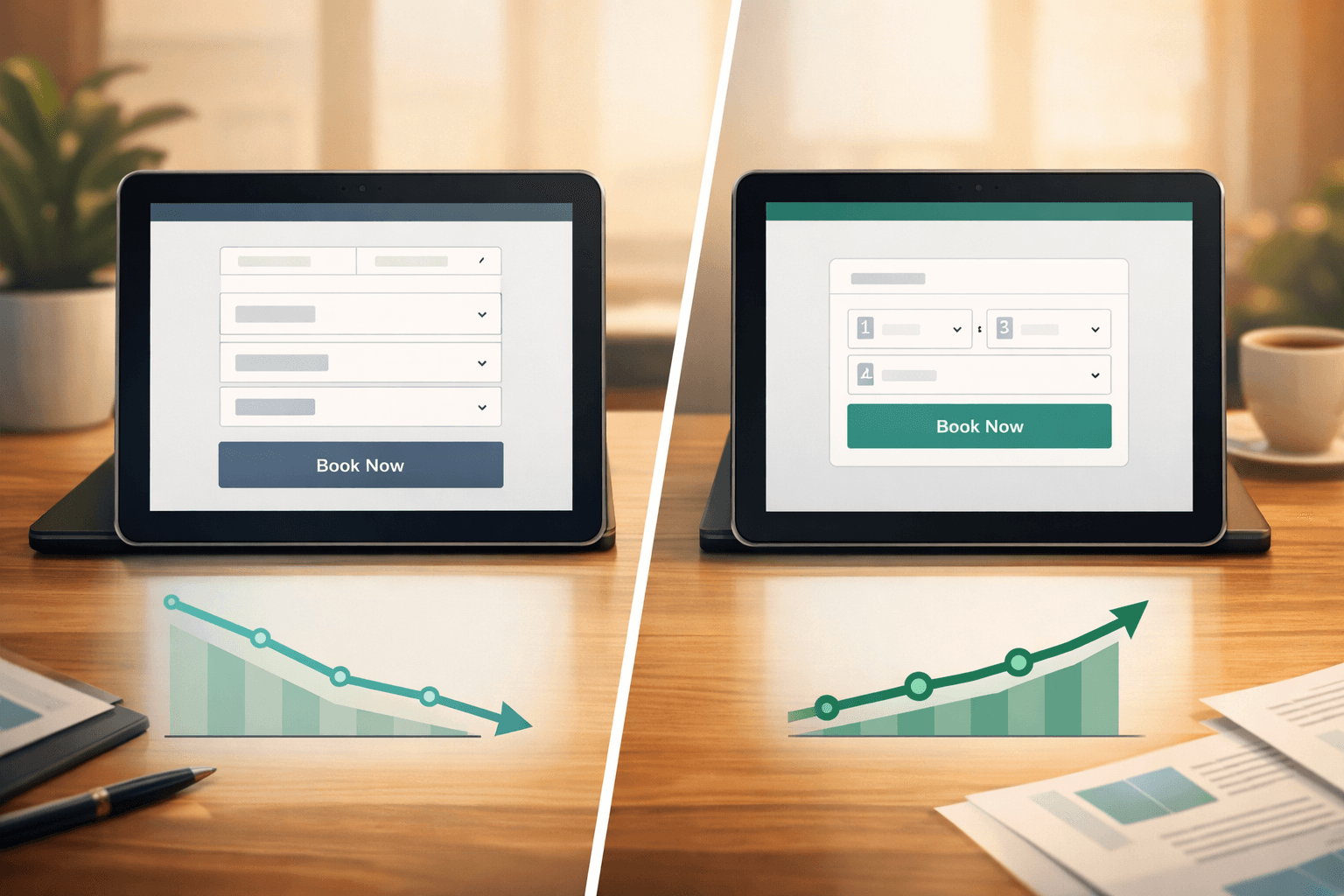
Higher Booking Rates: Customers can book immediately instead of playing phone tag. Boulder Wellness Spa reported a 22% increase in completed bookings after implementing voice AI.
Improved Staff Morale: Front desk teams can focus on in-person customer service instead of constantly answering phones. Less multitasking means fewer mistakes and better customer interactions.
24/7 Availability: Late-night booking requests and early morning calls get captured. This is especially valuable for med spas and dental offices with working professionals as clients.
Data Collection: Every call interaction provides data on popular services, peak booking times, and common customer questions. This helps with staffing and marketing decisions.
Implementation Reality Check
Not all voice AI is created equal. Here's what to look for:
Integration Requirements: The system should connect directly with your existing booking software (Vagaro, Mindbody, Boulevard, etc.). Standalone systems create more work, not less.
Training Timeline: Quality systems need 1-2 weeks to learn your specific services, pricing, and policies. Be wary of "instant setup" promises.
Pricing Structure: Look for flat monthly pricing rather than per-minute billing. Call volume can spike unexpectedly, and per-minute charges add up fast.
Transfer Protocols: The AI should know when to gracefully hand off to human staff. Complex medical questions, upset customers, and custom requests need human attention.
Getting Started: What Questions to Ask
Before implementing any voice AI system, clarify these points:
The Bottom Line for 2026
Voice AI isn't experimental technology anymore — it's a practical tool that's delivering real results for service businesses. The 40% time savings is significant, but the real value comes from better customer experience and staff who can focus on high-value activities.
If you're spending more than 5 hours weekly on routine phone tasks, voice AI probably makes financial sense. Start by tracking your current call volume and identifying which interactions could be automated. The technology is ready; the question is whether your business is.
For businesses already using robust CRM systems, voice AI integration can happen within weeks, not months. Companies like Shamrok are building voice AI specifically for appointment-based businesses, focusing on seamless CRM integration rather than generic solutions.
The service industry is evolving fast. Voice AI adoption will likely accelerate through 2026 as more businesses see the competitive advantage of always-available, consistent booking support.
FAQ
Q: Will customers actually talk to an AI for booking appointments?
A: Yes, when it's done well. Modern voice AI sounds natural and gets customers booked faster than playing phone tag with busy staff. Most customers care more about convenience than whether they're talking to a human for routine tasks.
Q: How much does voice AI cost compared to hiring additional front desk staff?
A: Voice AI typically costs $200-500 monthly, while additional staff costs $2,000-3,000 monthly including benefits. The ROI is clear for most appointment-based businesses.
Q: What happens if the AI can't handle a customer's request?
A: Quality systems transfer seamlessly to human staff when needed. The AI should recognize its limitations and hand off complex requests, upset customers, or specific medical questions to your team.
Q: How long does it take to set up voice AI for a small business?
A: With proper CRM integration, expect 1-2 weeks for training and customization. The AI needs to learn your services, pricing, staff schedules, and business policies before going live.