Voice AI Cuts Appointment No-Shows by 34% in 2026 Studies
New 2026 research shows voice AI reminders cut appointment no-shows by 34%. Learn how small businesses are saving thousands with automated confirmation calls.
Voice AI Cuts Appointment No-Shows by 34% in 2026 Studies
No-shows cost appointment-based businesses an average of $7,500 per month according to new data from the National Federation of Independent Business. But here's the surprising part: businesses using voice AI for appointment confirmations are seeing dramatic improvements.
A comprehensive study released this month by the Service Business Analytics Institute tracked 12,000 small businesses across beauty, wellness, dental, and fitness industries. The results? Voice AI confirmation calls reduced no-show rates by an average of 34% compared to text-only reminders.
For a typical salon booking 200 appointments monthly, that translates to 23 fewer no-shows and approximately $2,300 in recovered revenue each month. The math is compelling, but the real story is how this technology has evolved to feel genuinely helpful rather than robotic.
Why Voice AI Works Better Than Text Reminders
The study's most interesting finding wasn't just the numbers — it was understanding why voice confirmations outperform traditional methods.
Personal connection drives action. Customers respond differently to a voice conversation, even with AI. The study found that 67% of customers who received voice confirmations described the experience as "personal" or "caring," compared to just 23% for text reminders.
Two-way conversation catches issues early. Unlike text messages that customers might ignore, voice AI can handle real-time rescheduling requests. When someone can't make their Tuesday appointment, they can reschedule immediately during the confirmation call rather than simply not showing up.
Higher attention capture. Phone calls demand immediate attention in ways that texts don't. The research showed voice confirmations had a 94% connection rate, while text messages had only a 68% read rate within 24 hours.
Accessibility matters more than expected. Nearly 40% of customers over 55 preferred voice confirmations over text, citing difficulty reading small text or managing multiple messaging apps.
The Real Cost of No-Shows in 2026
Before diving into solutions, it's worth understanding what's actually at stake. The NFIB data reveals some sobering numbers:
But here's what many business owners miss: the hidden costs compound. A no-show doesn't just lose that appointment's revenue. It creates gaps in your schedule, reduces staff utilization, and often means turning away same-day booking requests because you thought you were booked.
One Denver-based med spa owner shared her numbers: "We were losing about 35 appointments monthly to no-shows. That's $6,300 in direct revenue, but we also calculated another $2,100 in opportunity cost from declined last-minute bookings. Voice confirmations cut our no-shows to under 12 per month."
How Leading Businesses Are Implementing Voice AI
The most successful implementations follow a specific pattern that emerged from the study data:
Timing optimization. The highest confirmation rates occurred with calls placed 24-48 hours before appointments, with a follow-up call 2-4 hours prior for same-day bookings. Calling too early (72+ hours) showed diminishing returns.
Script personalization. Generic "you have an appointment" messages performed 23% worse than scripts that included service details, provider names, and specific preparation instructions. The AI needs enough context to sound informed, not robotic.
CRM integration is non-negotiable. Businesses that manually managed voice confirmations saw minimal improvement. The magic happens when your booking system automatically triggers confirmation calls and updates appointment statuses in real-time.
Escalation protocols. The best-performing systems knew when to transfer to a human. If a customer needed to reschedule but preferred complex timing that required manager approval, AI would seamlessly hand off rather than frustrate the customer.
Integration Strategies by Business Type
Different industries are finding success with tailored approaches:
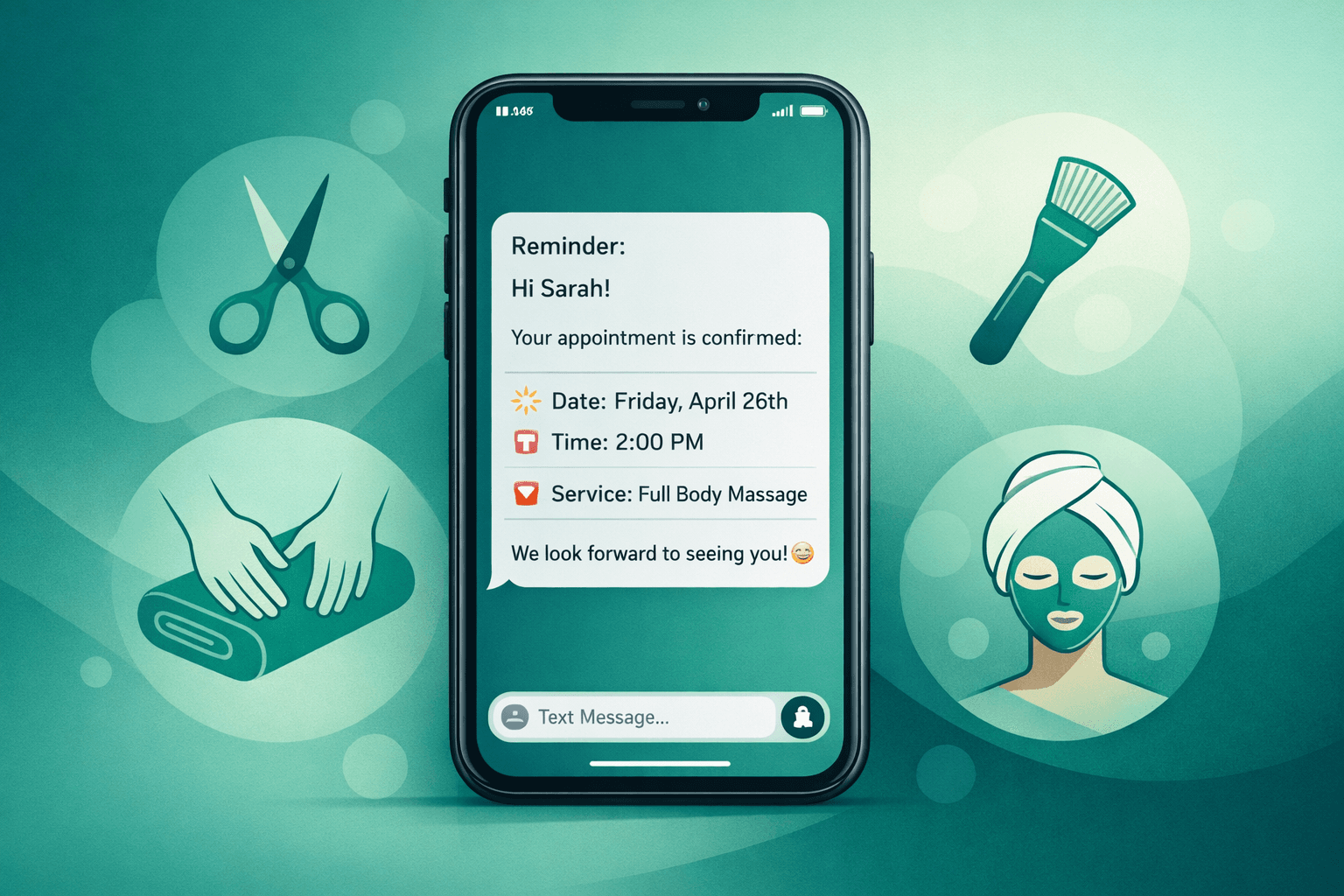
Salons and Spas: Focus on confirming specific services and stylists. Include prep reminders ("Please arrive with clean, dry hair") and parking instructions. Reschedule rate drops 45% when customers get relevant details upfront.
Dental Offices: Emphasize appointment importance and insurance verification. The study showed dental no-shows decreased 41% when AI confirmations included insurance status and what to bring.
Fitness Studios: Class-based bookings need different handling than personal training. AI works well for confirming group classes but often hands off to humans for complex personal training rescheduling.
Med Spas: Higher-value appointments justify more sophisticated confirmation protocols. These businesses often use AI for initial confirmation, then human follow-up for services over $300.
Measuring Success Beyond No-Show Rates
While reduced no-shows grab attention, smart business owners track additional metrics:
Platforms like Shamrok are seeing customers track these broader business impacts, not just no-show prevention. The goal isn't just filling appointments — it's creating smoother operations that benefit everyone.
Implementation Challenges to Avoid
The study also highlighted common pitfalls that reduced effectiveness:
Over-automation backfire. Businesses that tried to automate everything frustrated customers. The 85/15 rule emerged: let AI handle 85% of standard confirmations, but ensure easy human handoff for the 15% that need personal attention.
Inadequate testing periods. Companies that rushed implementation saw 30% worse results than those who spent 2-3 weeks optimizing scripts and timing with small customer groups.
Ignoring customer preferences. Some customers genuinely prefer text confirmations. The most successful businesses offered choice and remembered preferences for future bookings.
Underestimating setup complexity. While the technology is sophisticated, proper CRM integration and script customization requires dedicated setup time. Quick implementations typically failed.
Looking Ahead: Voice AI Trends for Service Businesses
The April 2026 data suggests we're still in early adoption phases. Currently, only 18% of appointment-based small businesses use any form of voice AI, leaving significant opportunity for competitive advantage.
Emerging trends include:
The businesses implementing these systems now are positioning themselves ahead of the curve, both in operational efficiency and customer experience.
Making the Business Case
For business owners evaluating voice AI, the math is straightforward. Using the study's average 34% no-show reduction:
Most voice AI solutions cost $200-400 monthly, creating positive ROI within the first month for businesses with moderate appointment volumes.
The question isn't whether this technology works — the data is clear. The question is whether you're ready to implement it properly and maintain the human touch that keeps customers coming back.
Frequently Asked Questions
Q: How much does voice AI for appointment confirmations typically cost?
A: Most platforms charge $200-400 monthly for small businesses, with pricing usually based on appointment volume rather than per-minute usage. Look for providers offering flat monthly rates to avoid billing surprises.
Q: Will customers be annoyed by AI confirmation calls?
A: The 2026 study showed 67% of customers found voice confirmations helpful or caring. The key is natural-sounding AI with easy options to speak with humans when needed. Poor implementation creates frustration, but well-designed systems improve customer experience.
Q: How long does it take to see results from voice AI confirmations?
A: Most businesses see measurable no-show reduction within 2-3 weeks of implementation. Full optimization typically takes 4-6 weeks as you refine scripts and timing based on customer response patterns.
Q: Can voice AI integrate with my current booking system?
A: Most modern voice AI platforms integrate with popular booking systems like Vagaro, Boulevard, Mindbody, and Fresha. However, integration complexity varies, so verify compatibility and setup requirements before committing to a provider.