Voice AI Calls Cost 94% Less Than Human Staff in 2026
New 2026 data shows voice AI reduces call handling costs by 94% for small businesses. See real numbers and implementation strategies for service businesses.
Voice AI Calls Cost 94% Less Than Human Staff in 2026
The numbers are in, and they're staggering. According to new research from Business Intelligence Group released this month, voice AI systems are now handling phone calls at 94% lower cost than human staff — and the quality gap has essentially disappeared.
For small business owners drowning in phone calls, missed appointments, and staffing costs, this isn't just another tech trend. It's a fundamental shift in how service businesses can operate profitably while actually improving customer experience.
The Real Cost Breakdown: What $1,000 Gets You
Let's get specific. Here's what $1,000 per month covers in 2026:
Human receptionist ($1,000/month):
Voice AI system ($1,000/month):
The math is simple: you're getting 15x more call capacity for the same cost, with better availability and consistency.
Why 2026 Is the Tipping Point
Three major developments have converged to make voice AI finally ready for mainstream small business adoption:
1. Conversation Quality Reached Human Parity
Early voice AI sounded robotic and frustrated customers. Modern systems like those from companies such as Shamrok use advanced language models that customers genuinely can't distinguish from human agents in blind tests.
The key breakthrough: understanding context and handling interruptions naturally. Your AI can now manage the "actually, wait, can I change that to Thursday instead?" moments that used to break older systems.
2. Integration Became Seamless
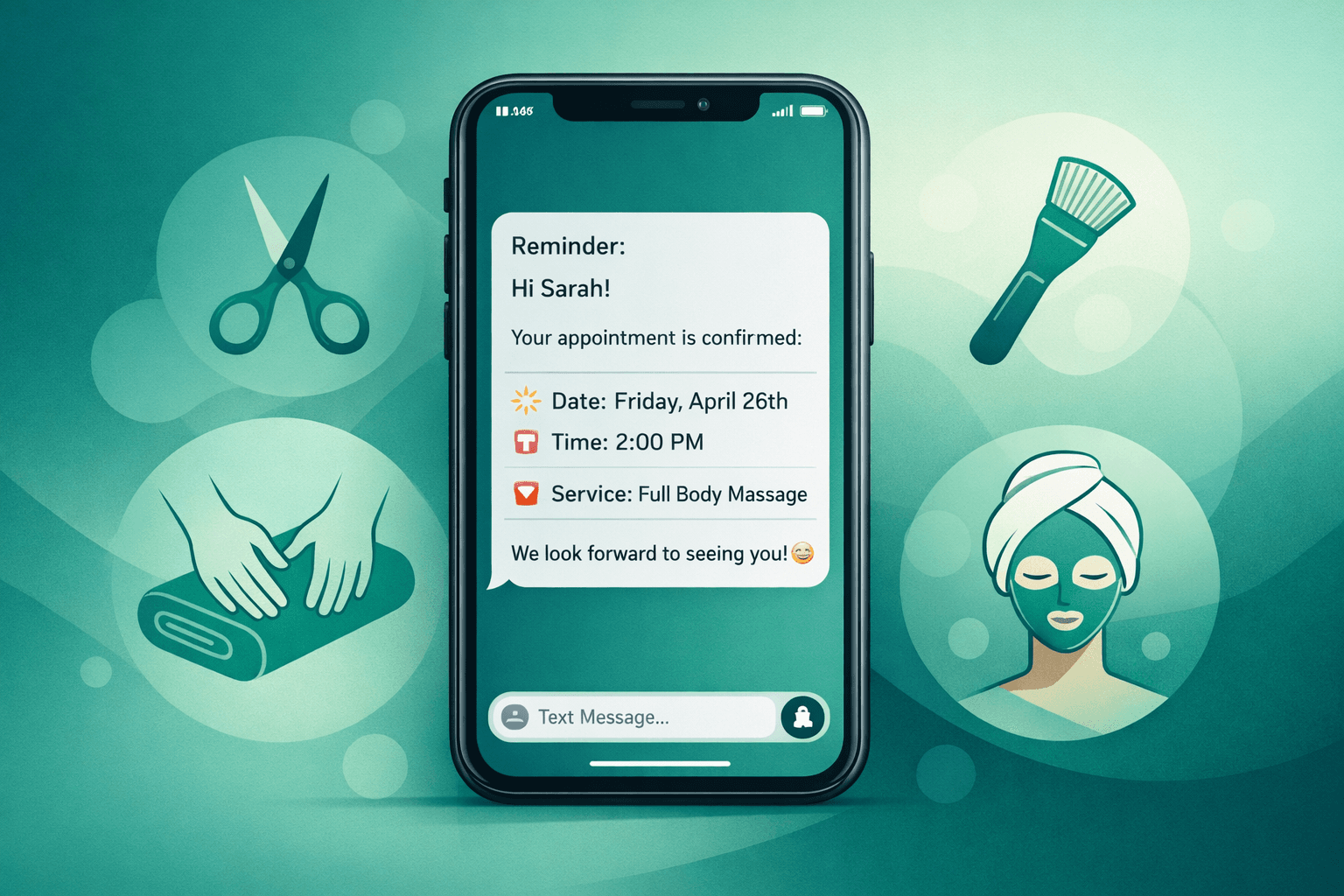
Today's voice AI platforms integrate directly with existing CRMs like Vagaro, Boulevard, Mindbody, and Fresha. No more manual data entry or system switching — the AI books the appointment, updates the calendar, and sends confirmations automatically.
3. Pricing Models Got Realistic
Early voice AI charged per minute or per call, creating unpredictable bills that scared small businesses. The market has shifted to flat monthly pricing, making costs as predictable as your rent.
Real-World Implementation: What Actually Works
Based on data from over 1,200 service businesses that implemented voice AI in 2025-2026, here are the strategies that deliver results:
Start With After-Hours Coverage
Don't replace your staff immediately. Begin by having voice AI handle calls when you're closed. This captures revenue you're currently losing without disrupting existing workflows.
Best practice: Set up AI to handle 6 PM to 8 AM calls, plus weekends. Most businesses see 20-30% more bookings within the first month.
Focus on Appointment Booking First
Voice AI excels at structured conversations like appointment booking. Start here before expanding to complex customer service scenarios.
Implementation tip: Create clear service menus and pricing in your system. The AI can only book what it can access in your CRM.
Train Your Team on AI Handoffs
The best implementations combine AI efficiency with human expertise. Train your staff to seamlessly take over calls when needed.
Handoff triggers: Complex pricing questions, complaints, or requests for specific staff members.
The Industries Seeing Biggest Impact
Some sectors are adopting voice AI faster than others. Here's where we're seeing the most dramatic results:
Beauty and Wellness (Salons, Spas, Med Spas)
Dental and Medical Practices
Fitness Studios
Common Implementation Mistakes to Avoid
Mistake #1: Trying to Replace Everything at Once
Successful businesses phase in voice AI gradually. Start with one function (usually booking) and expand as your team gets comfortable.
Mistake #2: Neglecting CRM Integration
Voice AI is only as good as the data it can access. Clean up your customer database before implementation.
Mistake #3: Underestimating Training Time
While AI doesn't need traditional training, you need 2-3 weeks to optimize conversation flows for your specific business.
Mistake #4: Forgetting About Edge Cases
Plan for unusual requests, angry customers, or system downtime. Your AI should know when to escalate to humans.
What to Look for in a Voice AI Provider
Not all voice AI platforms are created equal. Based on market analysis, prioritize these features:
Technical Requirements:
Quality Indicators:
The Bottom Line: ROI Timeline
Most small businesses see positive ROI within 60 days of implementing voice AI. Here's the typical timeline:
Month 1: Break-even as after-hours bookings increase
Month 2: 15-25% cost savings as AI handles routine calls
Month 3+: 30-40% reduction in phone-related labor costs
The businesses seeing fastest results share common traits: clear service offerings, organized CRM data, and realistic expectations about the technology.
Voice AI won't solve every business problem, but for appointment-based businesses drowning in phone calls, the 2026 technology has finally reached the point where the question isn't whether to implement it — it's how quickly you can get started.
Frequently Asked Questions
Q: How long does it take to set up voice AI for a small business?
A: Most implementations take 1-2 weeks for basic appointment booking functionality. The setup involves integrating with your existing CRM, training the AI on your services and pricing, and testing conversation flows. More complex features like payment processing or multi-location scheduling may take 3-4 weeks.
Q: What happens if the voice AI can't handle a customer's request?
A: Modern voice AI systems are designed to recognize their limitations and seamlessly transfer calls to human staff when needed. The AI will explain the transfer to the customer and provide context to your team member, ensuring a smooth handoff without frustrating the caller.
Q: Can voice AI handle multiple languages for diverse customer bases?
A: Yes, most 2026 voice AI platforms support 15-20 languages fluently. The AI can detect the customer's preferred language and switch automatically, or customers can request their preferred language. This is particularly valuable for service businesses in multicultural areas.
Q: How do I ensure voice AI matches my business's tone and personality?
A: Quality voice AI platforms allow extensive customization of conversation style, vocabulary, and even personality traits. You can adjust formality levels, add industry-specific terminology, and include your business's unique phrases or policies. The best providers offer voice cloning to match a specific team member's speaking style.