Why Your Salon Phone Goes Silent During Peak Hours
Your salon loses 40% of new bookings during busy hours. Voice AI answers every call instantly while you focus on clients. See how Shamrok solves missed call revenue loss.
Why Your Salon Phone Goes Silent During Peak Hours (And What It's Actually Costing You)
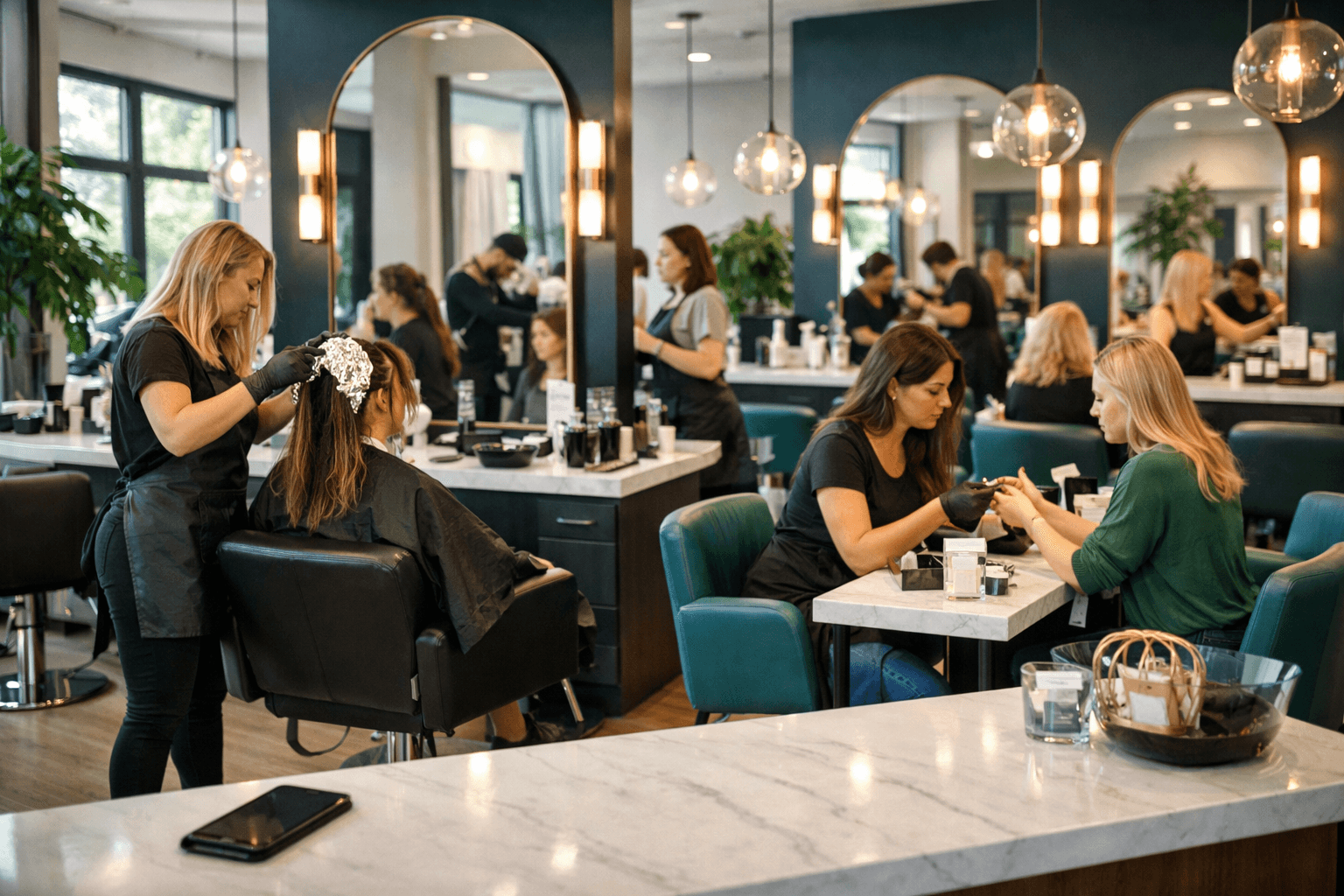
It's Saturday afternoon. Your colorist is mid-highlights on a regular client, your nail tech is perfecting a gel manicure, and you're touching up a cut that's taking longer than expected. Then you hear it—the phone ringing. Again.
By the third ring, you're making that split-second decision every salon owner knows too well: interrupt the paying client in front of you, or let it go to voicemail and hope they'll call back later. Spoiler alert: they won't.
This scenario plays out hundreds of times per month in salons across the country. While you're delivering excellent service to current clients, potential new revenue is literally calling and hanging up. The math is brutal, but let's break it down.
The Real Cost of Missed Calls During Service Hours
Here's what most salon owners don't realize: you're losing roughly 40% of potential new bookings during your busiest hours. Not because your service is bad, not because your prices are too high, but simply because no one can answer the phone.
Let's say your average new client books a $120 service. If you're missing just 3 calls per day during peak hours (very conservative estimate), that's:
And that's assuming those missed callers don't become regular clients. If even half of them would have become monthly regulars, you're looking at exponentially higher losses.
Why Traditional Solutions Don't Work for Salons
Option 1: Hire a dedicated receptionist
Cost: $35,000-$45,000 annually (plus benefits, training, sick days, vacation coverage)
Reality: Most salons can't justify this expense, especially when you still need coverage during the receptionist's breaks and time off.
Option 2: Take turns answering
Cost: Free (sort of)
Reality: Interrupting services creates a poor client experience and slows down your entire day. Your current client didn't book a $150 color to watch you take phone calls.
Option 3: Let it go to voicemail
Cost: Seemingly free
Reality: The most expensive option of all. Studies show that 85% of callers won't leave a voicemail for service businesses, and of those who do, only 30% will wait for a callback.
How Voice AI Actually Solves the Peak Hour Problem
Voice AI for salons isn't about replacing human interaction—it's about capturing opportunity when humans are busy doing what they do best: delivering excellent service.
Here's how it works during your busiest Saturday:
2:15 PM - Call comes in while you're applying color
3:30 PM - Another call during a detailed nail art session
4:45 PM - Call asking about availability for a wedding party
Integration with Your Existing Workflow
The beauty of modern voice AI is that it plugs directly into systems you're already using. If you're on Vagaro, Boulevard, Mindbody, or Mangomint, the AI can:
No learning new software. No changing your process. Just fewer missed calls and more bookings.
The Math That Makes Sense
Let's return to our earlier calculation of $112,320 in annual lost revenue from missed calls. A voice AI solution costs $99 per month, or $1,188 annually.
Even if voice AI only captures 25% of those missed opportunities, you're looking at:
That's a 2,260% return on investment. Most salon owners see the AI pay for itself within the first month.
Beyond Just Answering the Phone
While capturing missed calls is the immediate win, voice AI solves several other peak hour challenges:
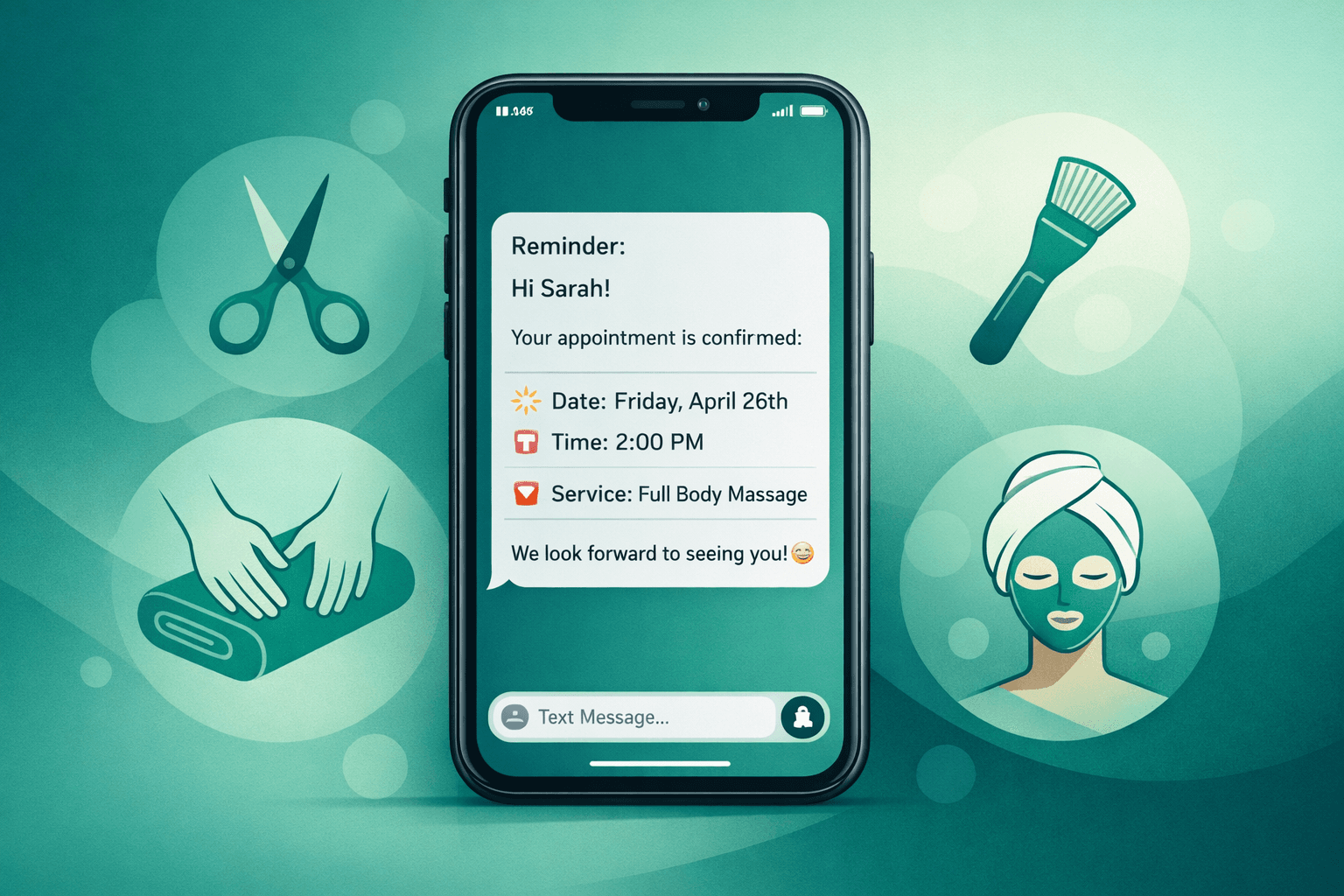
Reduced no-shows: AI can automatically call or text appointment reminders, reducing no-shows by up to 40%.
Better client experience: Current clients get your full attention instead of watching you juggle phone calls.
Staff stress reduction: No more decision fatigue about whether to answer mid-service.
After-hours bookings: The AI works 24/7, so late-night "I need an appointment tomorrow" calls get handled immediately.
What Salon Owners Are Saying
While we can't share specific client details, the pattern is consistent across salons using voice AI:
One salon owner in Austin put it perfectly: "I finally feel like we're open for business even when we're busy with business."
Making the Switch
The transition to voice AI is surprisingly straightforward:
Most salon owners wish they'd made the switch sooner. The only regret is the revenue lost while waiting.
Your Next Step
If you're tired of watching potential revenue slip away during your busiest hours, it might be time to see voice AI in action. Book a 15-minute demo to see exactly how it would work with your current setup, your CRM, and your specific services.
[Book a Demo](https://shamrok.com/demo) to see how voice AI can turn your busiest hours into your most profitable ones.
Frequently Asked Questions
How does voice AI integrate with my current salon software?
Voice AI connects directly with popular salon management systems like Vagaro, Boulevard, Mindbody, and Mangomint through secure API connections. It can read your real-time availability, book appointments, and sync all data without requiring you to learn new software or change your existing workflow.
What happens if a client asks a question the AI can't answer?
The AI is trained on your specific services, pricing, and policies, but for complex or unusual situations, it can seamlessly transfer the call to you or take a detailed message with callback information. Most routine booking questions are handled automatically.
Can voice AI handle group bookings or special requests?
Yes, voice AI can coordinate multiple appointments for wedding parties, group events, or family bookings by checking availability across multiple stylists and time slots. It can also note special requests and preferences in your CRM for review.
How quickly can I see results after implementing voice AI?
Most salons notice an immediate reduction in missed calls and start seeing additional bookings within the first week. The full impact on revenue typically becomes clear within 30 days as the AI handles more scenarios and clients begin rebooking.