Phone Call Abandonment Rate: Hidden Revenue Killer
Phone call abandonment rate costs service businesses 15-30% of potential revenue. Learn how to measure, track, and reduce abandoned calls to boost bookings.
Phone Call Abandonment Rate: Hidden Revenue Killer
TL;DR: Most service businesses lose 15-30% of potential revenue to phone call abandonment — when customers hang up before reaching anyone. Unlike missed calls, these often go completely untracked. Here's how to measure your real abandonment rate and what it's costing you.
You know about missed calls. Your phone rings, you're with a client, and by the time you check your voicemail, the caller has moved on to your competitor.
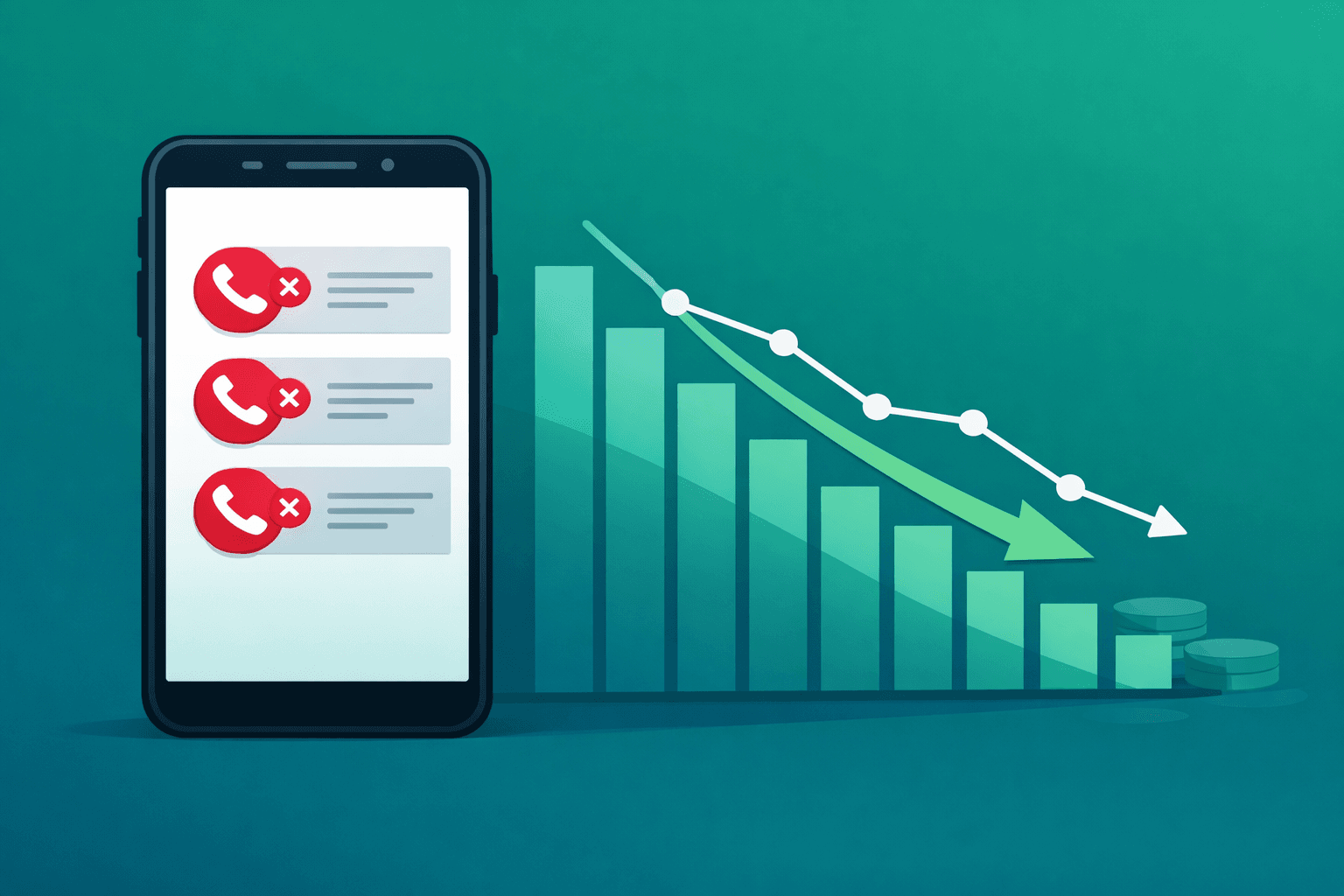
But there's another revenue killer hiding in plain sight: phone call abandonment. These are callers who reach your business, get put on hold or transferred, then hang up before connecting with anyone who can help them book.
The difference matters. Missed calls show up as obvious lost opportunities — you see the voicemail notification. Abandoned calls disappear into the ether, making them nearly impossible to track without the right systems.
What Phone Call Abandonment Actually Costs
Industry data from 2026 shows service businesses lose an average of 23% of inbound call revenue to abandonment. For a salon booking 200 appointments monthly at $85 average value, that's roughly $3,900 in lost revenue every month.
The math gets worse during peak times. Friday afternoon booking rushes see abandonment rates spike to 40-50% when everyone calls at once to secure weekend appointments.
Consider this typical scenario: A med spa receives 150 inbound calls per week. Their current system can handle 2-3 concurrent calls before callers get busy signals or excessive hold times. During their Tuesday-Thursday booking surge, 45-60 callers abandon before connecting.
At a $150 average appointment value, that's $6,750-$9,000 in weekly lost revenue just from people who actually tried to call.
How to Measure Your Real Abandonment Rate
Most businesses have no idea what their abandonment rate actually is. Phone companies provide basic call logs, but these don't distinguish between completed calls, missed calls, and abandoned attempts.
Here's what to track:
Total inbound call attempts — Every ring that hits your system, regardless of outcome
Completed connections — Calls where someone actually spoke to a human
Average hold time — How long callers wait before connecting or hanging up
Peak hour patterns — When abandonment spikes during your busiest periods
Your abandonment rate = (Total attempts - Completed connections) ÷ Total attempts × 100
If you received 100 call attempts but only completed 75 conversations, your abandonment rate is 25%.
The 30-Second Rule That Kills Bookings
Research consistently shows caller behavior follows predictable patterns. After 30 seconds of ringing or hold music, abandonment rates jump from 10% to 35%. By 60 seconds, you've lost 60% of potential callers.
This creates a cruel irony for busy service businesses. The more successful you become, the more calls you receive, which increases hold times and drives away the very customers fueling your growth.
Salons and spas face additional challenges during service hours. Your best stylists and estheticians are generating revenue with clients, making them unavailable to answer phones. Yet peak booking periods often coincide with peak service delivery times.
Technology Solutions That Actually Work
Traditional phone systems weren't designed for appointment-based businesses. Adding more phone lines helps with capacity but doesn't solve the fundamental problem: someone still needs to answer every call and have booking system access.
Modern voice AI systems can handle unlimited concurrent calls, never put anyone on hold, and integrate directly with booking platforms like Vagaro, Boulevard, and Mindbody. Some businesses see abandonment rates drop from 25-30% to under 5% within weeks of implementation.
The key is ensuring the AI can actually complete bookings, not just take messages. Half-solutions that route callers through multiple transfers often make abandonment worse, not better.
Quick Wins to Reduce Abandonment Today
Optimize your voicemail greeting — Include your online booking link and mention average callback times. "We'll return your call within 2 hours, or book instantly at [website]."
Track peak calling patterns — Most businesses see spikes Tuesday-Thursday, 11 AM-2 PM, and 4-6 PM. Staff accordingly or implement overflow solutions.
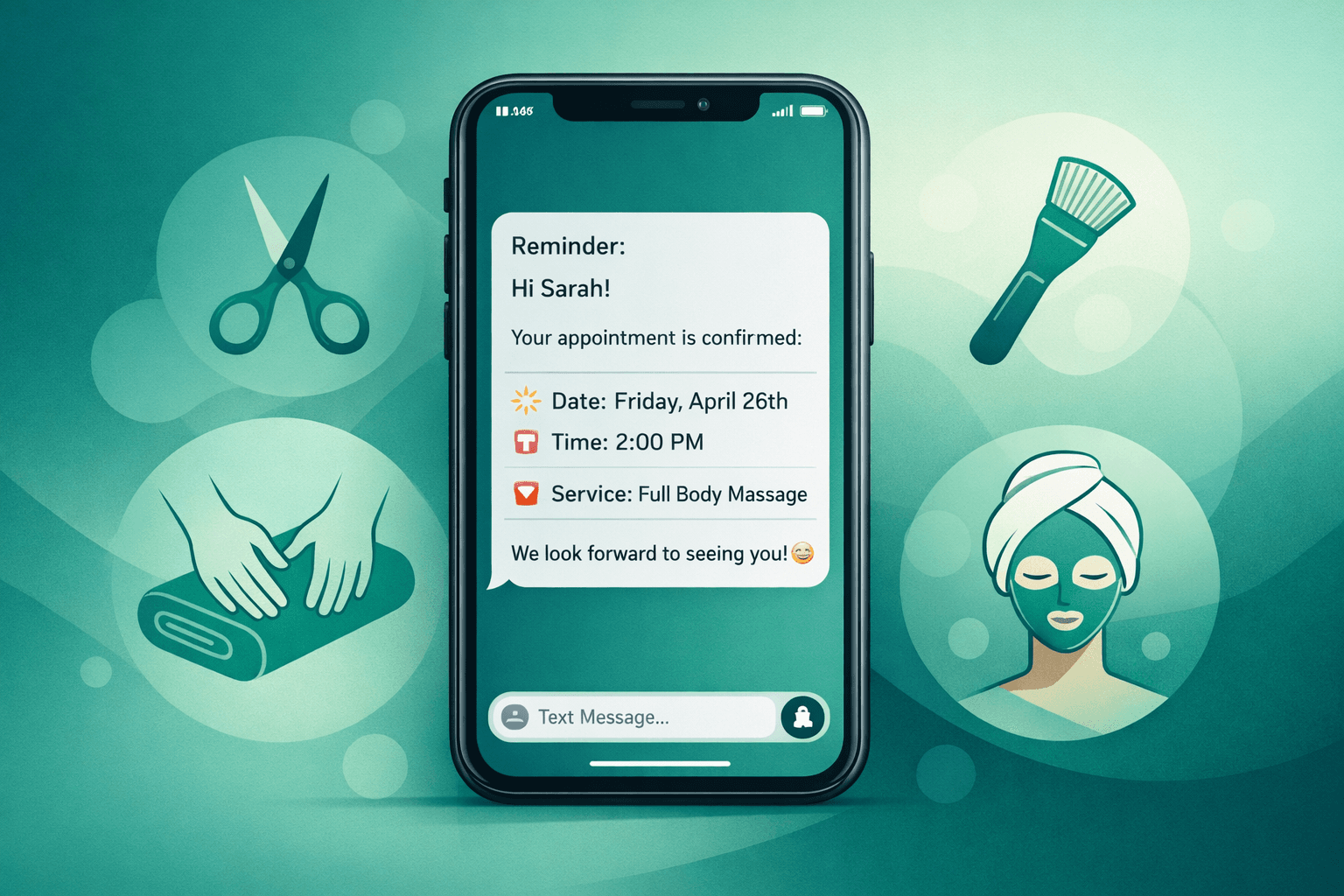
Set up SMS auto-responses — When someone calls but can't connect immediately, send a text with booking options and estimated callback time.
Test your own phone system — Call your business from different numbers during busy periods. Experience what your customers experience.
Monitor competitor response times — Mystery shop local competitors to understand market expectations in your area.
The Real Cost of "Good Enough"
Many service business owners accept 20-30% abandonment rates as normal. "People will call back if they really want an appointment."
But consumer behavior data tells a different story. 78% of callers who abandon never attempt contact again. They assume you're too busy, understaffed, or simply don't want their business.
Meanwhile, your competitors who invest in proper phone coverage capture those same customers. In competitive markets like med spas and salons, phone accessibility often determines market share more than service quality or pricing.
The businesses winning new client acquisition in 2026 treat every inbound call as captured revenue, not an operational burden to manage.
FAQ
How is phone call abandonment different from missed calls?
Missed calls happen when your phone rings but no one answers — you typically get a voicemail. Abandoned calls occur when someone reaches your system but hangs up during hold times or transfers. These often leave no trace.
What's considered a normal abandonment rate for service businesses?
Industry averages range from 15-30%, but top-performing businesses maintain rates below 10%. Any rate above 20% indicates significant revenue loss that should be addressed.
Can I track abandonment rate with my current phone system?
Basic phone services rarely provide detailed abandonment data. You need either advanced business phone analytics or call tracking software to measure true abandonment rates versus completed connections.
When should I consider automated solutions for phone coverage?
If you're losing more than 15% of calls to abandonment, automated solutions typically pay for themselves within 60-90 days through captured bookings that would otherwise be lost.