No-Show Fees vs Deposits: Which Policy Actually Works?
Compare no-show fees vs deposits for appointment businesses. See which policy reduces cancellations more effectively and how voice AI enforces both automatically.
TL;DR
No-show fees and deposits both tackle the same problem—clients who don't show up—but they work differently. Deposits collected upfront prevent no-shows better than after-the-fact fees, but fees are easier to implement. Most successful appointment businesses use a hybrid approach: small deposits for new clients, fees for established ones. Voice AI can enforce either policy automatically during booking calls.
Every appointment-based business faces the same frustrating math: 15-30% of scheduled appointments end in no-shows, and each empty slot costs you real money. You've probably considered charging no-show fees or requiring deposits, but which approach actually works?
The answer depends on your business model, client base, and how consistently you can enforce the policy. Let's break down when each strategy makes sense and how modern booking systems can automate enforcement.
Understanding the Psychology Behind Each Approach
No-show fees and deposits target different psychological triggers. Deposits create "skin in the game" upfront—clients who pay something in advance are significantly more likely to show up because they've already invested. It's the same reason gym memberships work better than pay-per-visit models.
No-show fees, on the other hand, rely on the threat of future consequences. They work best with established clients who value their relationship with your business and want to avoid conflict. For new clients or one-time visitors, the threat often falls flat.
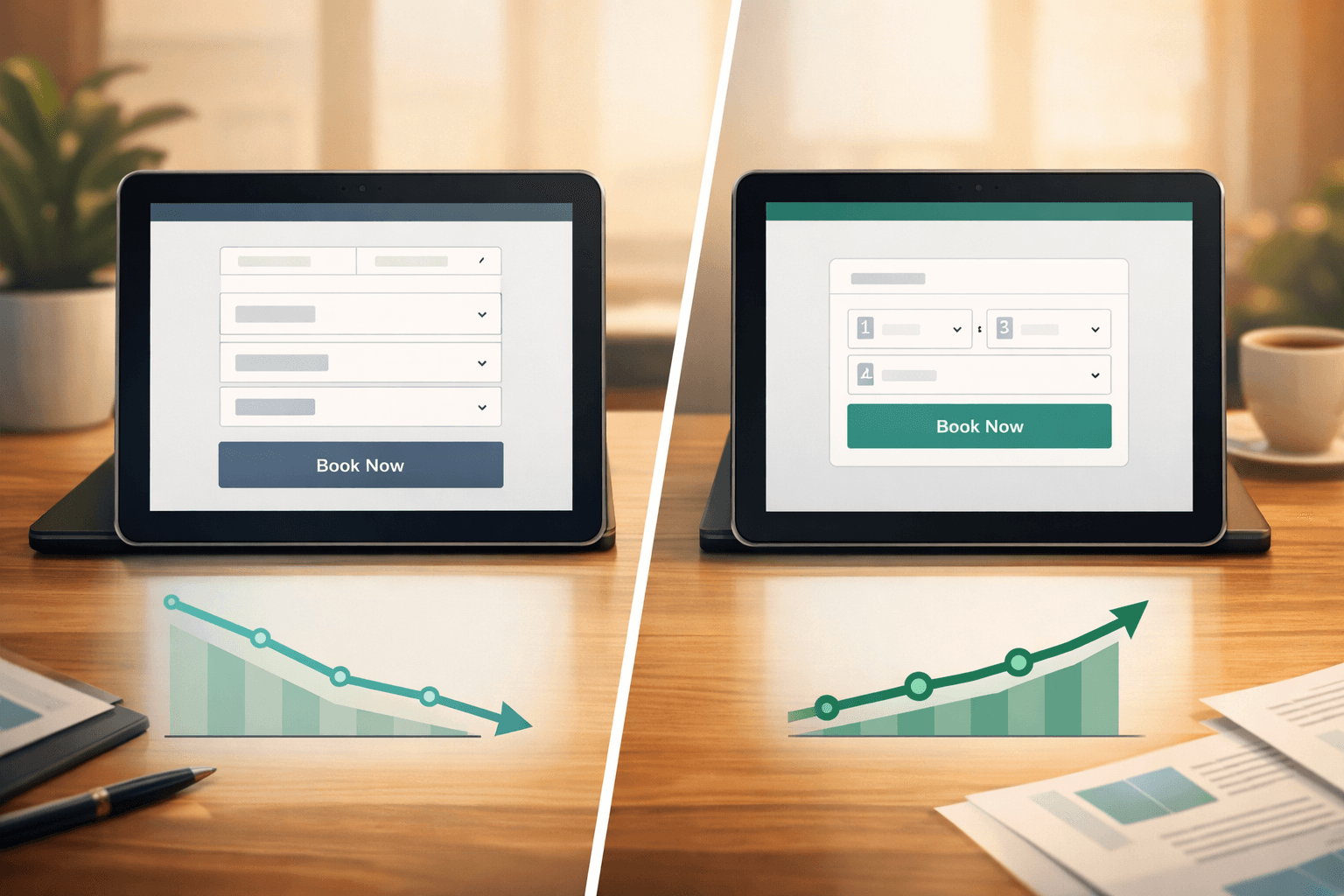
The data backs this up: businesses that collect deposits see 70-80% fewer no-shows compared to those using only penalty fees. But deposits also create more friction in the booking process, which can reduce conversion rates.
When Deposits Work Better
Deposits make the most sense for high-value services or businesses with strong demand. Med spas charging $300+ for treatments, upscale salons, and specialty wellness services can typically require 25-50% deposits without losing bookings.
Deposits also work well for:
The key is making deposits part of your standard booking flow, not an optional add-on. When your voice AI or booking system presents it as "we'll need a $50 deposit to confirm your appointment," most clients accept it as normal business practice.
When No-Show Fees Are More Practical
No-show fees work better for businesses with lower average transaction values, regular clients, or services where deposits might discourage bookings. A $35 men's haircut appointment might not justify a $20 deposit, but a $35 no-show fee creates accountability without upfront friction.
Fees also make sense for:
The challenge with fees is collection. Unlike deposits that you already have, no-show fees require follow-up, billing systems, and sometimes uncomfortable conversations with clients who dispute charges.
The Hybrid Approach That Works Best
Most successful appointment businesses don't choose between deposits and fees—they use both strategically. Here's a framework that reduces no-shows while maintaining booking conversion:
New Clients: Require deposits for all appointments. Even $25-50 significantly improves show rates.
Established Clients: Use no-show fees after 2-3 successful appointments. They've proven reliability and value the relationship.
High-Value Services: Always require deposits, regardless of client history.
Last-Minute Bookings: Require deposits for same-day or next-day appointments.
Peak Times: Use deposits for weekend, evening, or holiday slots when demand is highest.
This approach maximizes show rates while minimizing booking friction for your best clients.
How Voice AI Enforces Policies Automatically
The biggest challenge with any no-show policy isn't deciding what to charge—it's consistent enforcement. Front desk staff often skip deposit collection during busy periods or make exceptions for pushy clients. Manual processes leave room for human error and inconsistency.
Voice AI solves this by treating policy enforcement as a simple if-then rule. When someone calls to book, the system checks their client history and appointment type, then automatically applies the right policy:
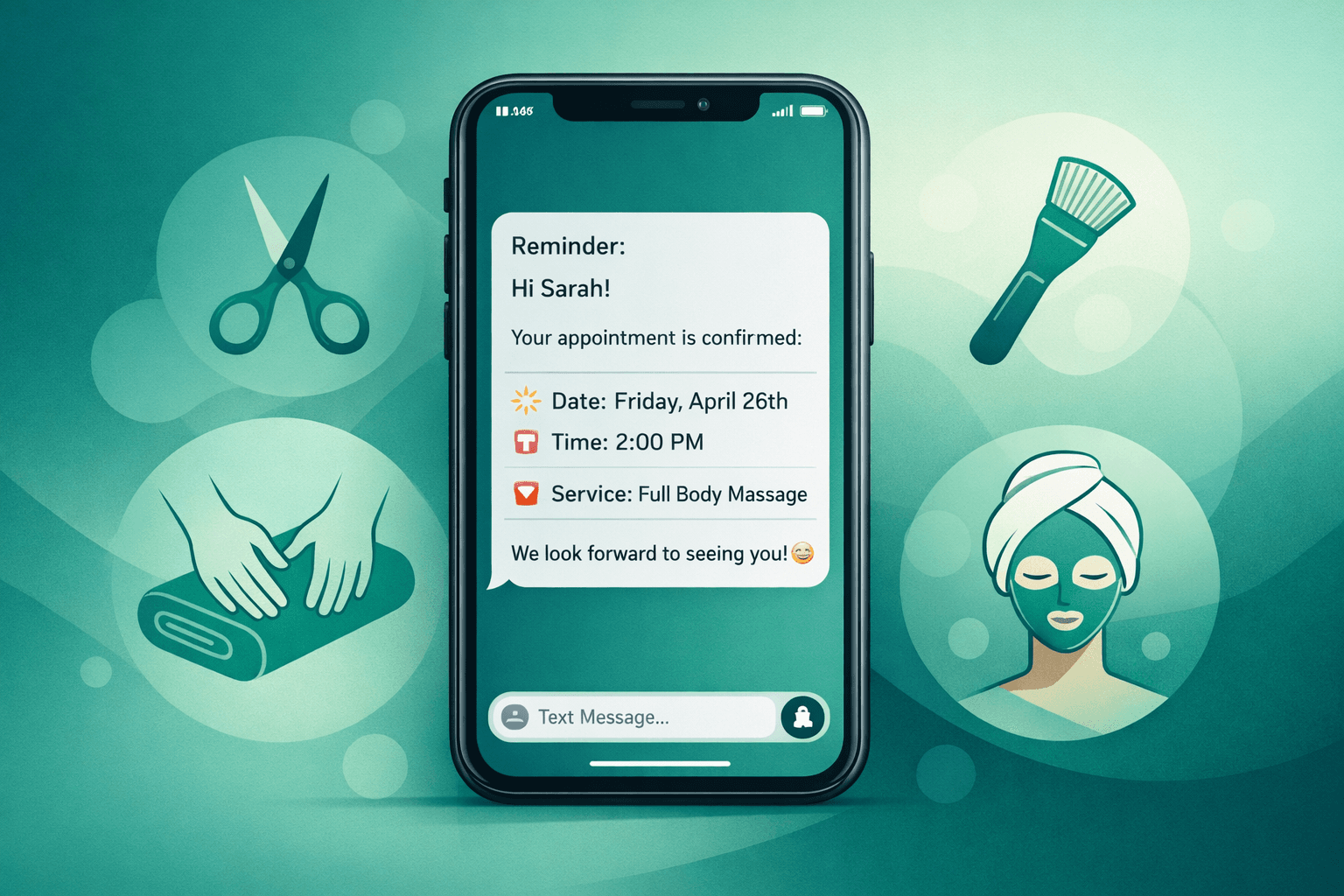
"I can book that facial for Thursday at 2 PM. Since it's a 90-minute service, we'll need a $75 deposit to confirm the appointment. I can take your card information now."
For established clients, it might say: "I have you down for Thursday at 2 PM. Just so you know, we do charge a $40 fee for appointments canceled with less than 24 hours notice."
The AI never forgets to mention fees, never makes exceptions, and never feels awkward about money conversations. It simply follows the rules you've programmed.
Integration with Your Existing Booking System
Whether you use Vagaro, Boulevard, Mindbody, or another platform, your no-show policy needs to sync with your booking system. The best approach integrates deposit collection directly with appointment scheduling.
Modern booking platforms can:
When your voice AI integrates with these systems, policy enforcement becomes seamless. The AI books the appointment, collects the deposit, and updates your CRM—all in one conversation.
Measuring What Actually Works
Track these metrics to optimize your no-show policy:
Show Rate by Policy Type: Compare no-show rates for deposit vs. fee-protected appointments.
Booking Conversion: Monitor how policies affect your booking-to-inquiry ratio.
Revenue Protection: Calculate monthly revenue saved through reduced no-shows.
Client Retention: Ensure policies don't drive away valuable long-term clients.
Collection Efficiency: For fees, track what percentage you actually collect.
Most businesses find that a well-designed deposit system reduces no-shows by 60-75% while maintaining 90%+ booking conversion rates.
The right policy depends on your specific business, but the wrong policy is no policy at all. Whether you choose deposits, fees, or a combination, consistent enforcement through automated systems will protect more revenue than the perfect policy that's only sometimes applied.
FAQ
What percentage should I charge for appointment deposits?
Most successful businesses charge 25-50% of the service cost as a deposit. For services under $100, a flat $25-50 deposit often works better than percentages.
How do I explain no-show fees to clients without sounding aggressive?
Position fees as protection for other clients: "We have a cancellation fee to ensure appointment times stay available for clients who need them." Focus on fairness, not punishment.
Can I charge both deposits and no-show fees?
Yes, but apply them to different situations. Use deposits for new clients or high-value services, and fees for established clients or lower-cost appointments.
What if a client refuses to pay a deposit?
Offer alternatives like booking during less popular times or accepting a shorter cancellation window. If they won't commit to anything, they're likely a poor booking risk anyway.