Multi-Agent AI Systems Transform Small Business Operations
Multi-agent AI systems are revolutionizing how small businesses handle customer service, scheduling, and marketing. Learn practical applications and implementation tips.
Multi-Agent AI Systems Transform Small Business Operations
While most business owners are still figuring out ChatGPT, a new wave of AI technology is quietly reshaping how smart companies operate. Multi-agent AI systems — where multiple AI "agents" work together on complex tasks — have moved from tech labs into real-world business applications.
Unlike single AI tools that handle one job, multi-agent systems coordinate several specialized AI workers. Think of it as having a virtual team where one agent handles appointment scheduling, another manages customer follow-ups, and a third analyzes booking patterns to suggest optimal pricing.
The timing couldn't be better. With labor costs rising and customer expectations at an all-time high, businesses need solutions that can juggle multiple tasks simultaneously without human oversight.
What Multi-Agent AI Actually Looks Like in Practice
Forget the sci-fi imagery. Multi-agent AI in small business is surprisingly practical. Here's what's happening right now:
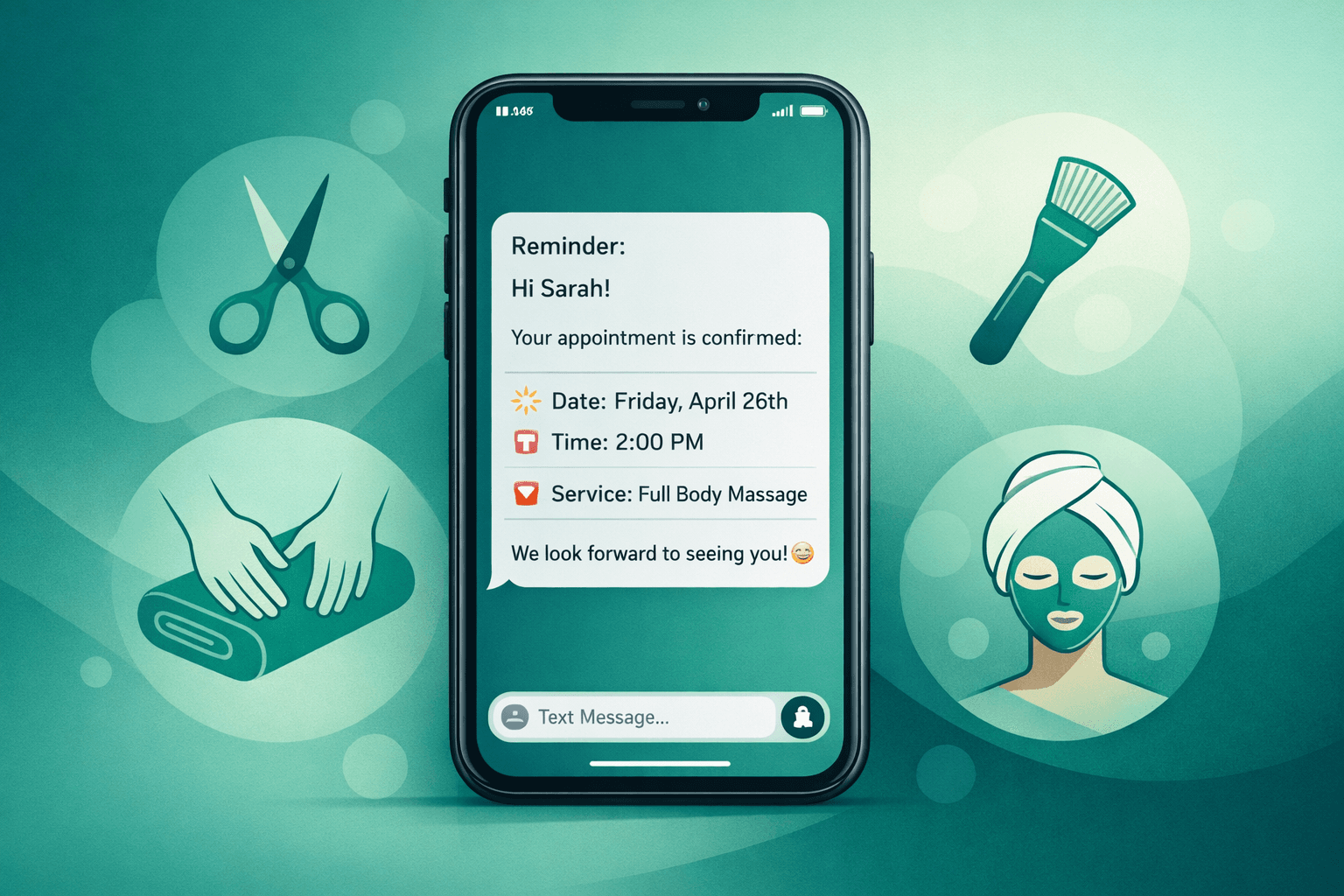
Coordinated Customer Service: One agent handles initial inquiries, identifies the customer's needs, then hands off to a scheduling agent that knows your availability, pricing, and service requirements. A third agent follows up with confirmations and reminders.
Dynamic Pricing and Inventory: An analytics agent tracks booking patterns while a pricing agent adjusts rates for peak times. Meanwhile, a communication agent notifies customers about last-minute availability.
Marketing Orchestration: One agent identifies which customers haven't booked recently, another creates personalized outreach messages, and a third schedules the optimal send times based on individual customer behavior.
The key difference from traditional automation? These agents can adapt and make decisions together, not just follow pre-programmed rules.
The Numbers Behind Multi-Agent Adoption
Early adopters are seeing significant results:
These aren't Silicon Valley unicorns — these are real service businesses like spas, dental practices, and fitness studios that implemented multi-agent systems in late 2025 and early 2026.
Industries Leading Multi-Agent Implementation
Beauty and Wellness leads adoption, particularly med spas and high-end salons. The complexity of managing multiple service types, staff schedules, and equipment availability makes multi-agent coordination valuable.
Healthcare Practices follow closely, using agent teams to handle insurance verification, appointment scheduling, and patient follow-up simultaneously.
Fitness and Personal Training studios use multi-agent systems to coordinate class bookings, personal training schedules, and membership management.
The common thread? Businesses with complex scheduling needs and high customer interaction volumes benefit most.
How to Evaluate Multi-Agent Solutions
Not every business needs this level of AI sophistication, but certain signs indicate you're ready:
Volume Indicators: You're handling 200+ customer interactions weekly, managing multiple service types, or coordinating several staff members' schedules.
Complexity Markers: Your booking process involves multiple steps, you offer package deals or memberships, or you struggle with optimal scheduling across different service lengths.
Pain Point Triggers: You're losing revenue to poor scheduling, spending excessive time on administrative tasks, or missing follow-up opportunities.
Key Questions Before Implementation
Implementation Strategy That Actually Works
Start small and expand gradually:
Phase 1: Deploy a single agent for your biggest pain point — usually appointment scheduling or customer follow-up.
Phase 2: Add a second agent that complements the first — if you started with scheduling, add customer communication.
Phase 3: Introduce coordination between agents — let them share information and make joint decisions.
Phase 4: Scale to full multi-agent orchestration across all customer touchpoints.
This approach reduces risk and allows your team to adapt gradually.
Cost Reality Check
Multi-agent systems typically cost more upfront than single-purpose AI tools, but the economics work differently:
The key is choosing systems with transparent pricing. Avoid per-minute billing that can spiral with increased usage.
What's Coming in 2026
Expect multi-agent systems to become more accessible. Major CRM platforms are building native multi-agent capabilities, and standalone solutions are simplifying their interfaces.
Voice AI integration is accelerating — companies like Shamrok are already connecting multi-agent coordination with phone-based customer interactions, creating seamless experiences from initial call to follow-up.
Predictive capabilities will improve, with agent teams forecasting optimal staffing, pricing, and marketing timing based on historical patterns and external factors.
Making the Right Choice
Multi-agent AI isn't right for every business, but it's becoming essential for service businesses with complex operations. The technology has matured beyond experimental phase — real businesses are using it profitably today.
Focus on solutions that integrate with your existing systems, offer transparent pricing, and provide clear visibility into agent actions. The best implementations feel like having a highly coordinated virtual team that never sleeps, never forgets, and constantly improves.
The businesses implementing multi-agent systems now are building competitive advantages that will be hard to match. The question isn't whether this technology will transform service industries — it's whether you'll be leading or following that transformation.
Frequently Asked Questions
Q: How is multi-agent AI different from regular business automation?
A: Traditional automation follows fixed rules and workflows. Multi-agent AI systems can adapt, make decisions, and coordinate with each other in real-time. They learn from patterns and can handle unexpected situations that would break traditional automation.
Q: What's the minimum business size that benefits from multi-agent AI?
A: Generally, businesses handling 200+ customer interactions weekly or managing complex scheduling across multiple services see the most benefit. However, the technology is becoming more accessible to smaller operations.
Q: Can multi-agent systems work with existing CRM platforms like Vagaro or Mindbody?
A: Yes, most modern multi-agent AI platforms are designed to integrate with popular CRM systems. However, integration quality varies, so verify compatibility during evaluation.
Q: What happens if the AI agents make mistakes or wrong decisions?
A: Quality multi-agent systems include override controls and audit trails. You can modify agent decisions, set boundaries for automated actions, and typically review all agent activities through dashboards.
Q: How long does it take to see results from multi-agent AI implementation?
A: Most businesses see initial improvements within 2-4 weeks, with full benefits typically realized within 2-3 months as the agents learn your specific business patterns and customer behaviors.