How to Get More Google Reviews for Your Small Business
Learn proven strategies to get more Google reviews for your small business. Practical tips for salons, spas, and service businesses to build trust and attract clients.
How to Get More Google Reviews for Your Small Business
TL;DR: Getting more Google reviews requires a systematic approach: asking at the right time, making it easy for customers, and following up consistently. Voice AI can automate review requests and track follow-ups, turning every satisfied client into potential social proof.
Your Google Business Profile shows 4.2 stars with 23 reviews. Your competitor down the street? 4.8 stars with 180 reviews. Guess who's getting more walk-ins and phone calls?
Google reviews aren't just vanity metrics. They're the digital word-of-mouth that drives 87% of consumers to read online reviews before visiting local businesses. For service businesses like salons, spas, and wellness clinics, reviews can make the difference between a packed schedule and empty appointment slots.
The challenge isn't getting great reviews from happy clients. It's systematically asking for them without being pushy, timing requests perfectly, and following up when clients forget. That's where most small businesses drop the ball.
Why Most Small Businesses Struggle with Review Collection
The manual approach to review collection fails for predictable reasons. Front desk staff forget to ask during busy periods. Clients say yes in person but never follow through at home. Follow-up emails get buried in spam folders or ignored entirely.
Timing matters more than most business owners realize. Ask too early, and the service experience isn't complete. Ask too late, and the positive feeling has faded. The sweet spot is usually 2-4 hours after service completion for most appointment-based businesses.
Consistency is the other challenge. Human staff naturally prioritize immediate tasks over follow-up activities. When you're juggling walk-ins, phone calls, and checkout processes, sending review requests falls to the bottom of the priority list.
The Strategic Timing of Review Requests
Successful review collection starts with understanding your client's journey. For salon and spa clients, the best emotional state for leaving reviews happens shortly after they've left your business but before they've gotten distracted by daily life.
Most businesses make the mistake of asking immediately at checkout when clients are thinking about their next appointment or rushing to their next commitment. Instead, automated follow-up 2-3 hours later catches clients when they're settled and can reflect on their experience.
For longer services like full-day spa packages or complex treatments, the window might be different. Test different timing intervals and track response rates. Some businesses find success with next-day follow-ups for premium services where clients need time to see full results.
Making Review Requests Frictionless
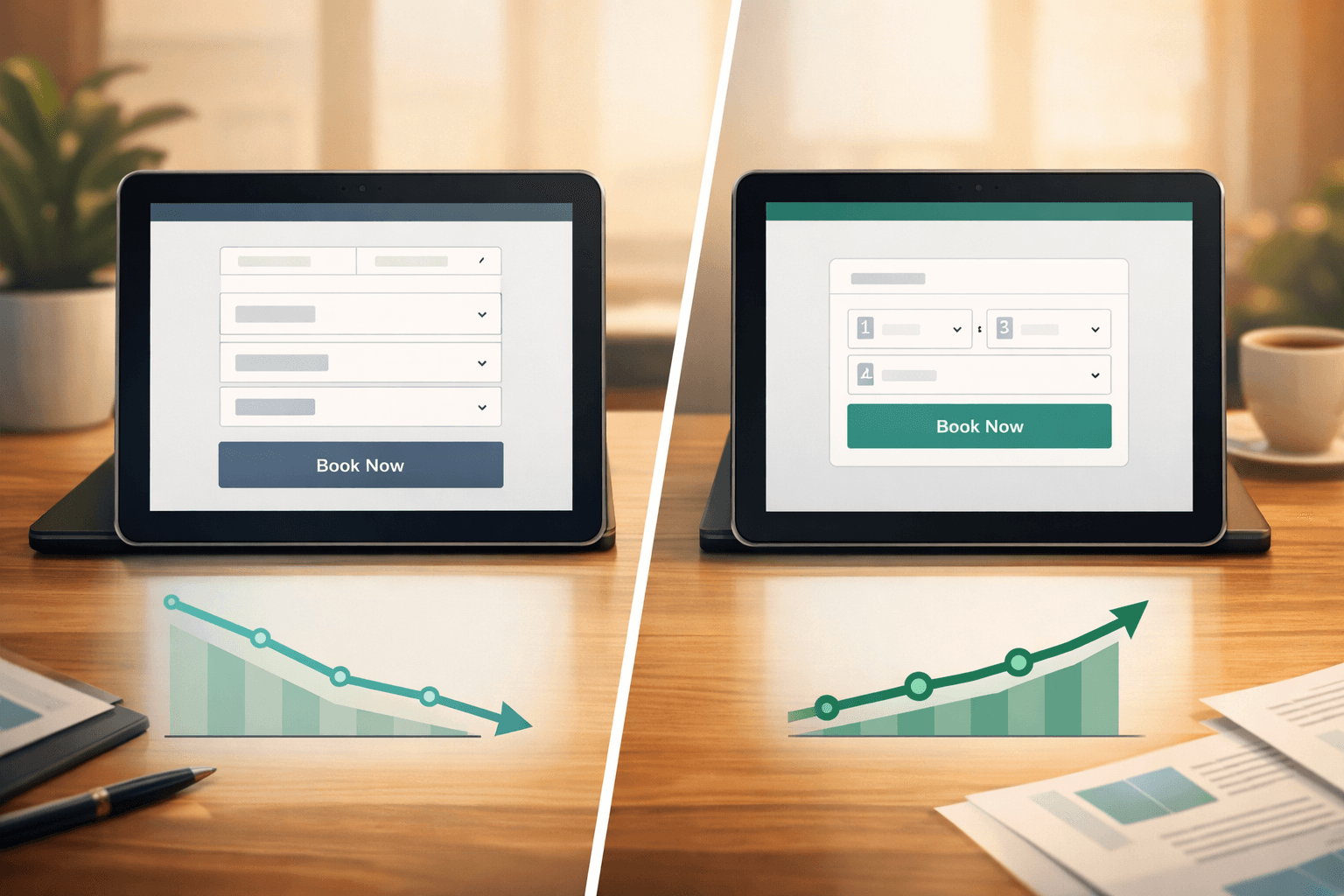
The easier you make it for clients to leave reviews, the more reviews you'll get. This means removing every possible barrier between their intention to review and actually submitting feedback.
Send direct links to your Google Business Profile review section, not generic "please review us" messages that require clients to search and navigate. Include step-by-step instructions for clients unfamiliar with leaving Google reviews. Many people want to help but don't know the process.
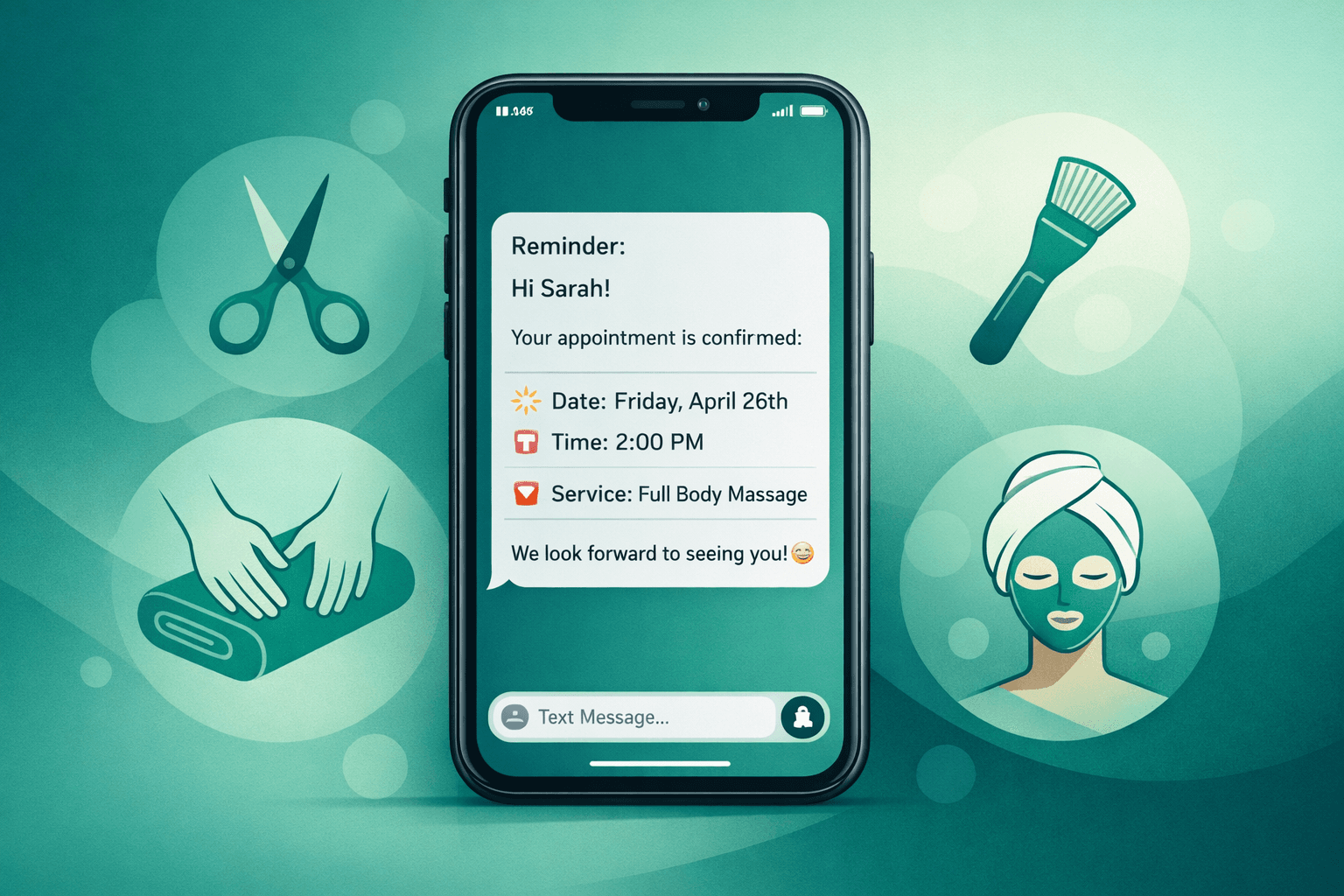
Personalize requests with specific service details: "Hope you're loving your new highlights! Would you mind sharing your experience with our color services?" Generic requests feel automated and impersonal, even when they actually are automated.
Automated Follow-Up Systems That Work
Consistent follow-up separates successful review strategies from random hope-and-pray approaches. Voice AI systems can track which clients received review requests, who responded, and who needs gentle follow-up reminders.
For businesses using CRM systems like Vagaro, Boulevard, or Mindbody, automated review workflows can trigger based on appointment completion, service type, or client history. High-value clients or those who've had exceptional experiences get prioritized follow-up.
The key is persistence without annoyance. A sequence might include: immediate thank-you text, review request 3 hours later, gentle reminder after 3 days, and final follow-up after one week. After that, move on. Overly aggressive follow-up damages relationships.
Handling Negative Reviews Professionally
Negative reviews happen to every business. How you respond matters more than the initial complaint. Quick, professional responses show potential clients that you care about customer satisfaction and address problems promptly.
Address specific concerns mentioned in the review. Avoid generic "we're sorry" responses that sound automated. Offer to resolve the issue privately: "Please call us at [number] so we can make this right." This shows accountability while moving detailed discussions offline.
Use negative reviews as improvement opportunities. If multiple clients mention the same issue, fix the underlying problem rather than just responding to complaints. This prevents future negative reviews and improves actual service quality.
Leveraging Reviews Across All Marketing Channels
Google reviews shouldn't live in isolation. Feature positive reviews on your website, social media, and marketing materials. This amplifies their impact beyond Google search results.
Create social media posts highlighting specific positive reviews (with permission). This serves dual purposes: showing appreciation for reviewing clients and encouraging others to share their experiences.
Include recent positive reviews in email signatures, waiting room displays, and service menus. Social proof works best when it's visible throughout the entire client experience, not just during the initial research phase.
Measuring Review Collection Success
Track metrics beyond total review count. Monitor review velocity (reviews per month), response rates to review requests, and average rating trends over time. A sudden drop in review frequency might indicate process problems or staff training needs.
Compare review performance across different services, staff members, and time periods. This data reveals which experiences generate the most positive feedback and helps identify improvement opportunities.
Set realistic targets based on your appointment volume. A busy salon seeing 200 clients weekly should aim for different review numbers than a boutique spa with 30 weekly appointments. Focus on percentage improvements rather than absolute numbers.
FAQ
How many Google reviews should I ask for each week?
Aim to request reviews from 20-30% of your clients, focusing on those who had positive experiences. Quality matters more than quantity, so prioritize satisfied customers over volume.
What's the best way to ask for Google reviews without seeming pushy?
Frame review requests as helping other potential clients find great service rather than helping your business. "Would you mind helping others discover us by sharing your experience?" feels less self-serving.
Should I respond to all Google reviews, including positive ones?
Yes, respond to all reviews. Thank positive reviewers and address negative ones professionally. This shows you value all feedback and stay engaged with your community.
How can voice AI help with review collection?
Voice AI can automatically send personalized review requests after appointments, track response rates, and follow up with non-responders. This ensures consistent review collection without staff overhead.