Local SEO for Small Business: Rank Higher in 2026
Master local SEO for your small business in 2026. Get found by nearby customers with proven strategies that work for salons, spas, and service businesses.
Local SEO for Small Business: Complete 2026 Guide
TL;DR: Local SEO gets your small business found by nearby customers searching for your services. Focus on Google Business Profile optimization, consistent NAP data, customer reviews, and local content. Small changes can drive significant foot traffic and phone calls.
Your potential customers are searching for businesses like yours right now. "Hair salon near me," "best massage spa downtown," "barbershop open Sunday" — these searches happen millions of times daily. The question is: will they find you or your competitor?
Local SEO ensures your business shows up when people in your area search for the services you offer. It's not about competing with national brands — it's about dominating your neighborhood and surrounding areas.
For appointment-based businesses like salons, spas, and wellness clinics, local SEO directly impacts your booking calendar. Every search result that leads to your business profile is a potential appointment. Every missed opportunity in local search is revenue walking through your competitor's door instead of yours.
Why Local SEO Matters More Than Ever in 2026
Local search behavior has fundamentally shifted. People expect immediate answers about nearby businesses:
Most small business owners know they "need SEO" but get overwhelmed by technical advice meant for e-commerce sites or national brands. Local SEO is different — it's more direct, more actionable, and more immediately profitable.
Google Business Profile: Your Local SEO Foundation
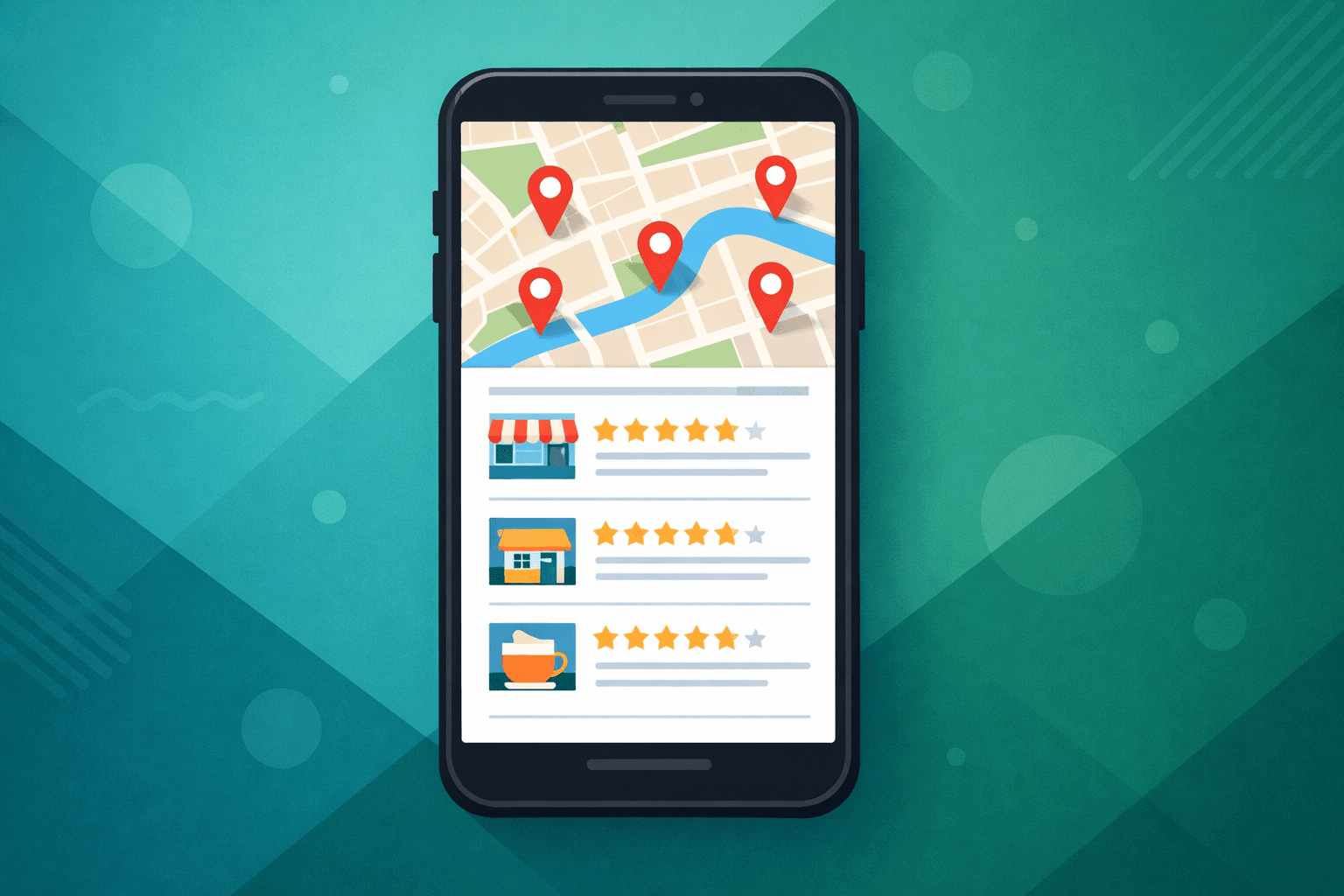
Your Google Business Profile (formerly Google My Business) is your most important local SEO asset. It controls how you appear in Google Maps, local search results, and the knowledge panel when someone searches your business name.
Optimization Checklist:
Complete every field thoroughly:
Upload quality photos regularly:
Use Google Posts strategically:
Respond to every review:
A well-optimized Google Business Profile can increase calls and direction requests by 30-50%. When customers can easily find your hours, see recent photos, and read positive reviews, they're significantly more likely to book.
NAP Consistency Across the Web
NAP stands for Name, Address, Phone number. Search engines use NAP consistency to verify your business legitimacy and determine local ranking position.
Critical NAP locations to audit:
Common NAP mistakes:
Even small inconsistencies confuse search engines and hurt your local rankings. Spend an afternoon auditing and correcting your NAP across all platforms.
Local Content That Drives Traffic
Local content helps you rank for location-specific searches while providing value to your community.
Content Ideas That Work:
Neighborhood-focused service pages:
Local event tie-ins:
Community involvement:
Seasonal local content:
This content doesn't need to be revolutionary. It just needs to be helpful and locally relevant. A simple blog post about "5 Best Date Night Spas in [Your City]" (featuring your spa prominently) can rank well and drive bookings.
Reviews: Your Local SEO Multiplier
Customer reviews significantly impact local search rankings. Google's algorithm treats reviews as a trust signal — businesses with more recent, positive reviews rank higher in local results.
Review Generation Strategy:
Make asking easy:
Timing matters:
Incentivize thoughtfully:
Most businesses get reviews randomly or not at all. A systematic approach can increase your review volume by 3-5x within six months.
Technical Local SEO Basics
While local SEO is less technical than traditional SEO, a few technical elements matter:
Schema markup:
Mobile optimization:
Local link building:
Many appointment-based businesses miss the connection between their phone system and local SEO. When potential customers call after finding you online, that call quality affects whether they book. A professional AI receptionist like Shamrok can ensure every call from your local SEO efforts converts into scheduled appointments, even during busy service periods or after hours.
Measuring Local SEO Success
Track metrics that matter to your business:
Google Business Profile insights:
Website analytics:
Business metrics:
Local SEO isn't about vanity metrics like keyword rankings. It's about driving qualified local traffic that converts into paying customers.
Common Local SEO Mistakes to Avoid
Keyword stuffing in business descriptions:
Ignoring negative reviews:
Inconsistent business hours:
Geographic overreach:
Conclusion
Local SEO for small businesses isn't about complex technical strategies — it's about making your business easy to find and choose when people in your area need your services.
Start with your Google Business Profile, ensure NAP consistency across the web, create helpful local content, and systematically gather customer reviews. These foundational steps will improve your local visibility within weeks.
Remember that local SEO works best when combined with excellent customer service. Every online interaction — from your website to phone calls — shapes your reputation and affects future rankings. When potential customers find you through local search and have a positive experience, they become the reviews and referrals that fuel further growth.
FAQ
How long does local SEO take to show results?
Basic improvements like Google Business Profile optimization can show results within 2-4 weeks. Significant ranking improvements typically take 3-6 months of consistent effort.
Do I need to hire an SEO agency for local SEO?
Many local SEO tasks can be done in-house, especially for single-location businesses. Focus on the fundamentals first, then consider professional help for advanced strategies.
How many reviews do I need to rank well locally?
There's no magic number, but businesses with 50+ recent reviews typically outrank those with fewer. Focus on review quality and recency rather than just quantity.
Can I do local SEO if I'm a home-based business?
Yes, but you'll need a service area business profile instead of a storefront listing. Focus on the neighborhoods you serve and create location-specific content.