Why Your Competitors Are Already Using AI Assistants (2026)
Small businesses adopting AI assistants are gaining unfair advantages. Learn what's happening in 2026 and how to compete without breaking your budget.
Why Your Competitors Are Already Using AI Assistants (2026 Reality Check)
While you're still manually answering phones and scheduling appointments, something significant is happening across every industry. Your competitors—the ones who seem to always be booked solid—have quietly adopted AI assistants that work 24/7.
This isn't about some distant future. March 2026 data shows that 47% of service-based businesses now use some form of AI for customer interactions. That's nearly half of all salons, spas, dental offices, and wellness clinics. The question isn't whether AI will impact your industry—it's whether you'll adapt before you fall behind.
The Numbers Don't Lie: AI Adoption Is Accelerating
Recent industry reports paint a clear picture of where small businesses are investing their technology dollars in 2026:
These aren't massive corporations with unlimited budgets. These are businesses just like yours, often with 5-15 employees, who've discovered that AI doesn't require a computer science degree to implement.
What Changed in the Last 12 Months
The AI assistant landscape transformed dramatically since early 2025. Three key shifts made adoption accessible to smaller businesses:
Real Business Impact: Beyond the Hype
Let's cut through the marketing fluff and look at actual results small business owners are seeing:
Customer Experience Improvements
24/7 Availability: Your AI assistant never sleeps, never takes sick days, and never puts customers on hold. A med spa in Austin reported that 34% of their bookings now happen after business hours—revenue they were completely missing before.
Instant Response: Modern customers expect immediate answers. While you're finishing up with one client, your AI is booking three more appointments. No more "I'll call you back" or lost voicemails.
Consistent Quality: Every interaction follows your exact protocols. No more wondering if your front desk properly explained your cancellation policy or forgot to mention your new services.
Operational Efficiency Gains
Staff Focus: Your team stops playing phone tag and starts focusing on what they do best—delivering exceptional service. A dental practice in Denver found their hygienists could see 15% more patients when they weren't constantly interrupted by scheduling calls.
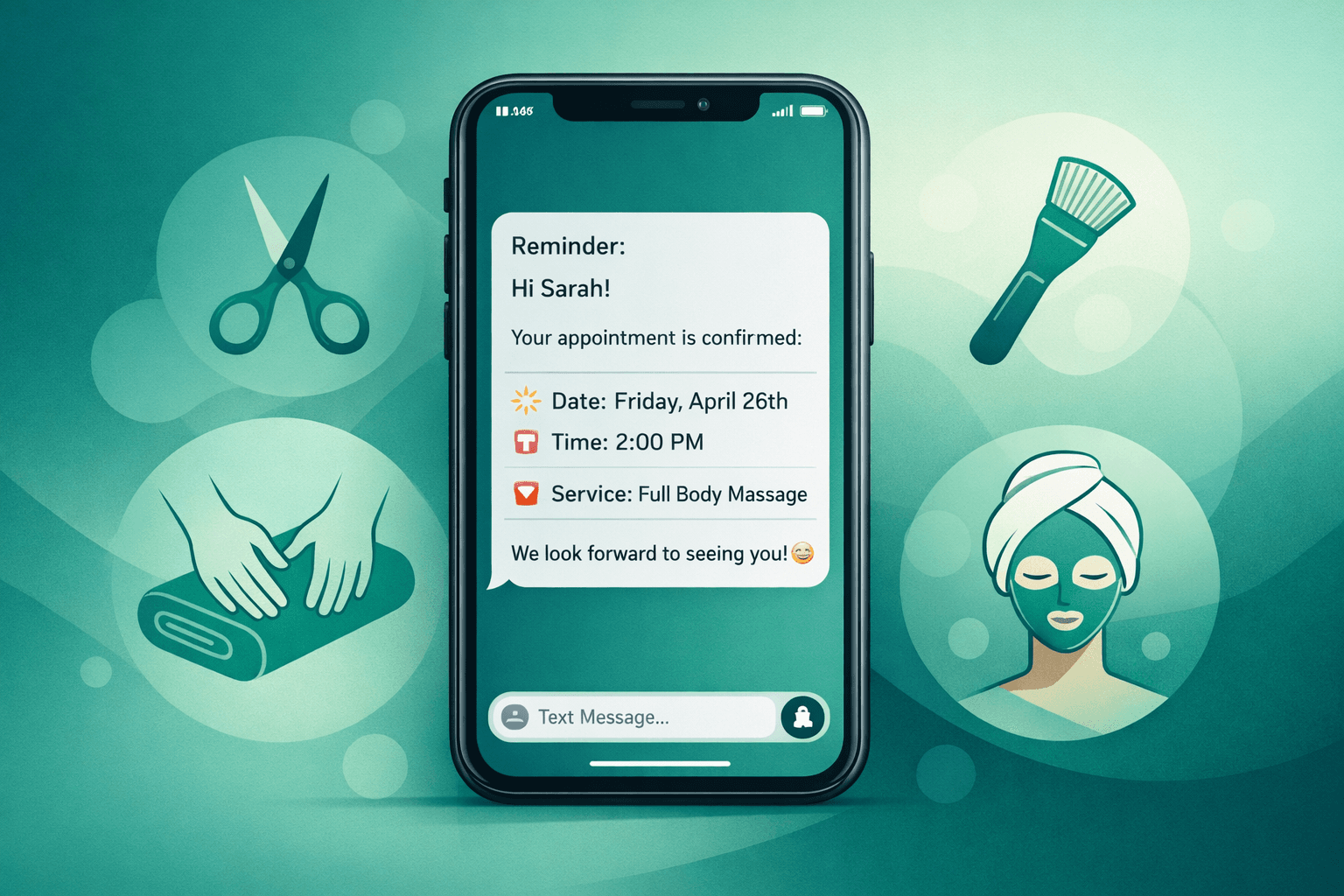
Reduced No-Shows: AI assistants send automatic confirmations, reminders, and can even handle last-minute reschedules. Businesses typically see 20-30% fewer no-shows within 90 days.
Data Collection: Every interaction generates valuable insights about customer preferences, peak booking times, and service demand—information that helps you make better business decisions.
The Competitive Advantage Window Is Closing
Here's what many business owners don't realize: there's still a window of opportunity to gain a competitive edge through AI adoption. But it's shrinking fast.
Early Adopters vs. Late Adopters
Businesses that implemented AI assistants in 2025 report several advantages:
Meanwhile, businesses still relying on traditional phone systems face increasing challenges:
Industry-Specific Trends
Beauty and Wellness: Clients increasingly expect text-based communication and instant booking confirmations. Salons without AI assistance struggle to meet these expectations.
Healthcare and Dental: Patient privacy regulations actually favor AI systems that can handle sensitive information more securely than traditional phone conversations.
Fitness and Training: Members want to modify class schedules instantly, not wait for business hours to make changes.
Making the Transition: Practical Steps
If you're convinced that AI assistants are worth exploring, here's how to approach the transition intelligently:
Step 1: Audit Your Current Process
Track these metrics for two weeks:
Step 2: Identify Your Biggest Pain Points
Most businesses find AI assistants solve one of these primary problems:
Step 3: Choose the Right Integration
Ensure any AI solution integrates seamlessly with your existing systems:
Step 4: Plan Your Implementation
Successful AI adoption typically follows this timeline:
Common Misconceptions About AI Assistants
Let's address the concerns that keep many business owners on the sidelines:
"My customers prefer human interaction": Modern AI assistants sound remarkably natural. Many customers don't realize they're speaking with AI until specifically told. Plus, AI handles routine tasks so your human staff can focus on meaningful interactions.
"It's too expensive for small businesses": Pricing models in 2026 make AI assistants cost less than hiring a part-time employee. Most businesses see ROI within 60-90 days through increased bookings and reduced labor costs.
"Implementation will be too complicated": Modern AI platforms connect to existing booking systems with minimal technical knowledge required. Most businesses are operational within a week.
"AI can't handle complex situations": Today's AI assistants excel at routine tasks (80% of most customer calls) and seamlessly transfer complex issues to human staff when needed.
The Bottom Line: Adapt or Fall Behind
The small business landscape is shifting rapidly. Customer expectations are rising, staff costs are increasing, and competition is intensifying. AI assistants aren't just a nice-to-have anymore—they're becoming essential for staying competitive.
The businesses thriving in 2026 aren't necessarily the ones with the best services or lowest prices. They're the ones that make it easiest for customers to book, reschedule, and get information instantly. They're the businesses that free their staff to focus on exceptional service delivery rather than administrative tasks.
If you're still manually managing every customer interaction, you're not just missing efficiency gains—you're actively losing customers to competitors who've embraced AI assistance. The good news? There's still time to close that gap, but the window won't stay open forever.
Companies like Shamrok are making this transition accessible for service-based businesses, but the specific solution matters less than taking action. The question isn't whether you'll eventually adopt AI assistance—it's whether you'll do it proactively or reactively.
Your competitors have already made their choice. What's yours?
Frequently Asked Questions
How much does an AI assistant typically cost for a small business?
Most AI assistant platforms charge $200-800 per month for small to medium businesses, which typically costs less than hiring part-time staff. Look for flat-rate pricing to avoid per-minute billing surprises that can quickly add up.
Can AI assistants integrate with my existing booking software?
Yes, modern AI assistants integrate directly with popular platforms like Vagaro, Boulevard, Mindbody, and Fresha. This means appointments book directly into your existing calendar without additional data entry.
What happens if the AI assistant can't handle a customer's request?
Advanced AI systems recognize when they need human intervention and seamlessly transfer calls to your staff. This ensures complex situations get proper attention while routine tasks remain automated.
How long does it take to implement an AI assistant?
Most businesses are operational within 1-2 weeks. This includes initial setup, staff training, and testing. The key is choosing a platform that integrates easily with your existing systems rather than requiring complete workflow changes.