Business Hours vs Revenue: When to Stay Open Later
Should you extend business hours? Data shows 67% of service bookings happen outside standard hours. Learn when extending hours boosts revenue vs costs.
Business Hours vs Revenue: When to Stay Open Later
TL;DR: Service businesses lose 30-40% of potential revenue by sticking to traditional 9-5 hours. But extending hours isn't always profitable. This guide shows you how to analyze your missed opportunities and decide when longer hours actually pay off.
Your competitor down the street just started taking appointments until 8 PM on weekdays. Your phone rings constantly after 6 PM, but you're already gone. Meanwhile, your Saturday morning slots fill up weeks in advance while your Tuesday afternoons sit empty.
Sound familiar? You're facing the classic service business dilemma: when do extended hours generate more revenue than they cost in overhead?
The answer isn't intuitive. Recent data from 2,400 appointment-based businesses shows that 67% of booking attempts happen outside traditional business hours—but only 43% of those extended-hour bookings are actually profitable when you factor in staffing costs.
The Real Cost of Limited Hours
Most service business owners underestimate how much revenue walks out the door during closed hours. Here's what the numbers actually show:
Peak booking request times:
If your spa closes at 5 PM, you're missing nearly one-third of daily booking requests. But here's the catch: not every missed call equals lost revenue.
The conversion reality:
The gap between after-hours demand and actual conversions represents your biggest revenue opportunity—and your biggest operational challenge.
When Extended Hours Actually Pay Off
Not every business benefits from longer hours. The math depends on three factors: demand patterns, service margins, and operational costs.
High-Margin Services Win
Services with gross margins above 65% can usually justify extended hours:
Lower-margin services need higher volume to make extended hours profitable:
Peak Demand Windows
Analyze your missed call patterns for 30 days. Extended hours work best when:
Staff Availability and Costs
Evening and weekend shifts typically cost 15-25% more than regular hours:
Calculate your break-even point: if evening appointments need to generate $180/hour to cover costs, you need three $60 services or two $90 services minimum.
The Smart Alternative to Longer Hours
Before extending your physical hours, consider these revenue-capture strategies that don't require additional staffing:
Automated Booking Systems
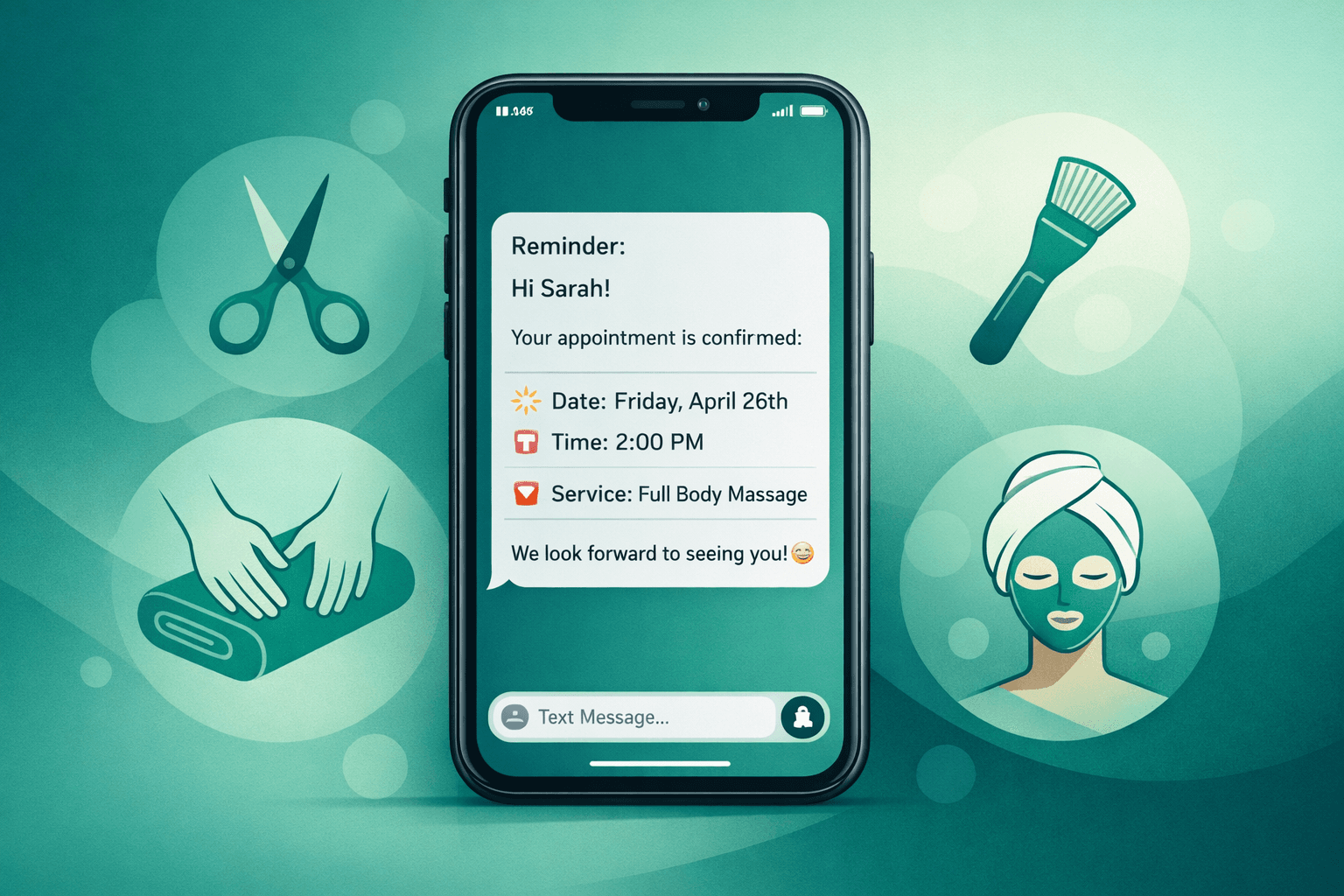
Modern booking platforms let clients schedule 24/7 without human intervention. The best systems:
Clients can book at 11 PM for next week's appointment, and you wake up to confirmed revenue.
Strategic Hour Extensions
Instead of blanket longer hours, extend strategically:
Test each extension for 60 days. If you're not booking 75%+ capacity during extended hours, scale back.
Premium After-Hours Pricing
Charge 15-30% more for appointments outside standard hours:
Premium pricing filters for serious clients while maintaining profitability with lower volume.
Technology Solutions That Actually Work
The right technology can capture after-hours revenue without the overhead of extended staffing:
Voice AI receptionists handle calls 24/7, booking appointments directly into your calendar. Unlike voicemail, they can answer questions, check availability, and confirm bookings in real-time. Companies like Shamrok integrate with major booking systems, so your after-hours bookings appear in your regular workflow.
SMS-based booking lets clients text to schedule. Simple systems respond with available slots and confirm bookings via text thread.
Social media booking through Instagram and Facebook direct messages. Many clients prefer messaging over phone calls, especially for routine appointments.
Measuring Success: The 90-Day Test
Before making permanent hour changes, run a 90-day pilot program:
Week 1-30: Baseline measurement
Week 31-60: Implement changes
Week 61-90: Optimization
Success metrics:
If you hit three of four metrics, extended hours are working. If not, focus on optimizing your current schedule or investing in after-hours booking technology instead.
The Bottom Line
Extended business hours can unlock significant revenue, but only when demand, margins, and operations align. Before adding evening or weekend hours, test with technology solutions that capture after-hours interest without ongoing labor costs.
The goal isn't to work more hours—it's to work smarter hours that generate the highest return on your time and investment.
FAQ
Q: How do I know if there's enough demand for extended hours?
A: Track missed calls and voicemails for 30 days. If you receive 15+ after-hours contact attempts weekly with 60%+ requesting appointments within 48 hours, there's likely sufficient demand.
Q: What's the minimum revenue needed to justify evening hours?
A: Calculate your hourly overhead (staff, utilities, security) plus 25% margin. Most service businesses need $150-250 in hourly revenue to justify evening operations profitably.
Q: Should I charge more for after-hours appointments?
A: Yes, 15-30% premiums are standard and accepted. Premium pricing ensures profitability with lower volume and positions after-hours slots as convenient, premium service.
Q: How long should I test extended hours before deciding?
A: Run a minimum 90-day pilot. The first 30 days show initial demand, days 31-60 reveal booking patterns, and days 61-90 demonstrate sustained profitability and operational feasibility.