Appointment Deposit Policy: Reduce No-Shows & Protect Revenue
Learn how to create an effective appointment deposit policy that reduces no-shows and protects your business revenue. Includes implementation tips for salons, spas, and wellness clinics.
Appointment Deposit Policy: Reduce No-Shows & Protect Revenue
TL;DR: A well-structured appointment deposit policy can reduce no-shows by 60-80% while protecting your revenue from last-minute cancellations. The key is making the policy clear, fair, and easy to implement through your booking system.
No-shows are the silent revenue killer for appointment-based businesses. One missed appointment doesn't just cost you that service fee—it represents lost time, wasted prep, and a booking slot that could have gone to a paying client.
The solution isn't hoping clients will show up or sending more reminder texts. It's implementing a deposit policy that creates accountability while protecting your business from revenue loss.
Why Appointment Deposits Work
Deposits create skin in the game. When clients put money down, they're significantly more likely to show up or give adequate notice for cancellations.
The psychology is simple: people value what they pay for. A free appointment feels optional. A paid appointment feels like a commitment.
Successful salons and spas typically see:
Setting Your Deposit Amount
Your deposit should be meaningful enough to matter but not so high that it becomes a booking barrier.
Industry Standards by Service Type
Hair Services
Spa Services
Med Spa Procedures
Wellness and Therapy
The 20-30% Rule
A good baseline is setting your deposit at 20-30% of the service cost. This creates enough investment to discourage no-shows while remaining accessible to most clients.
For services under $100, consider a flat fee that's easier to communicate and process.
Crafting Your Deposit Policy
Your policy needs to be crystal clear to avoid disputes and confusion. Here's what to include:
Essential Policy Elements
Deposit Requirements
Cancellation Terms
Application of Deposits
Sample Policy Language
"To secure your appointment, we require a deposit of [amount] for all services over $X. This deposit will be applied to your service cost. Cancellations with 48+ hours notice receive a full refund. Cancellations with 24-48 hours notice forfeit 50% of the deposit. Same-day cancellations and no-shows forfeit the full deposit."
Implementation Through Your Booking System
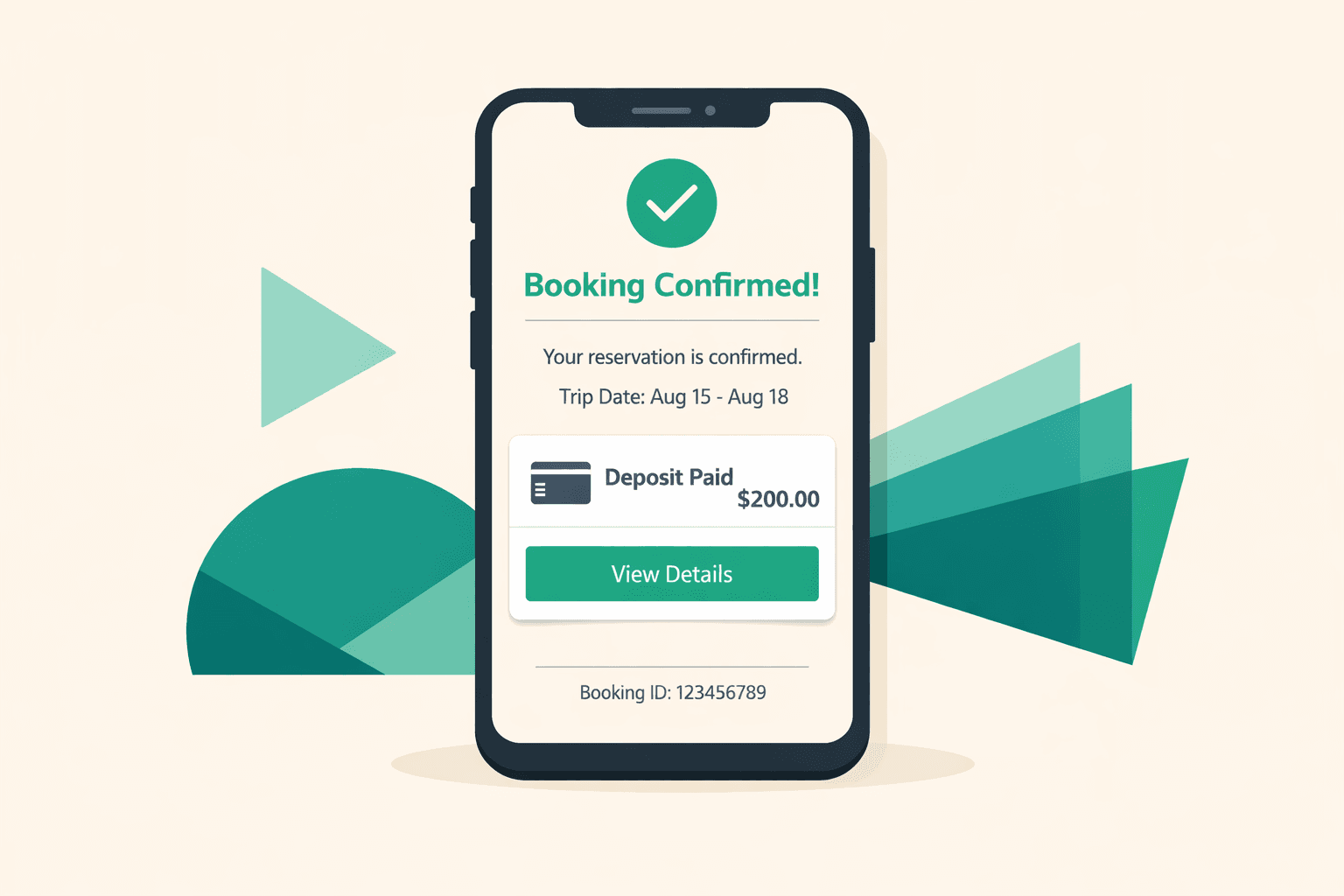
Your CRM makes or breaks deposit collection. Most modern booking platforms handle this automatically, but setup matters.
Platform-Specific Setup
Vagaro
Boulevard
Mindbody
Mangomint
Automation is Key
Manual deposit collection fails. Your booking system should:
This is where voice AI like Shamrok becomes valuable. When clients call to book, the AI can collect deposit information immediately, process payment, and confirm the booking—all without staff intervention.
Communicating Your Policy
How you present your deposit policy affects client acceptance and booking conversion.
Positioning Strategies
Frame as Protection, Not Punishment
"Our deposit system helps us maintain your reserved time and provide the personalized attention you deserve."
Emphasize Value
"Your deposit secures your appointment and is applied directly to your service cost."
Lead with Convenience
"Reserve your spot instantly with a quick deposit—no need to call during business hours."
Communication Channels
Website and Online Booking
Phone Booking Scripts
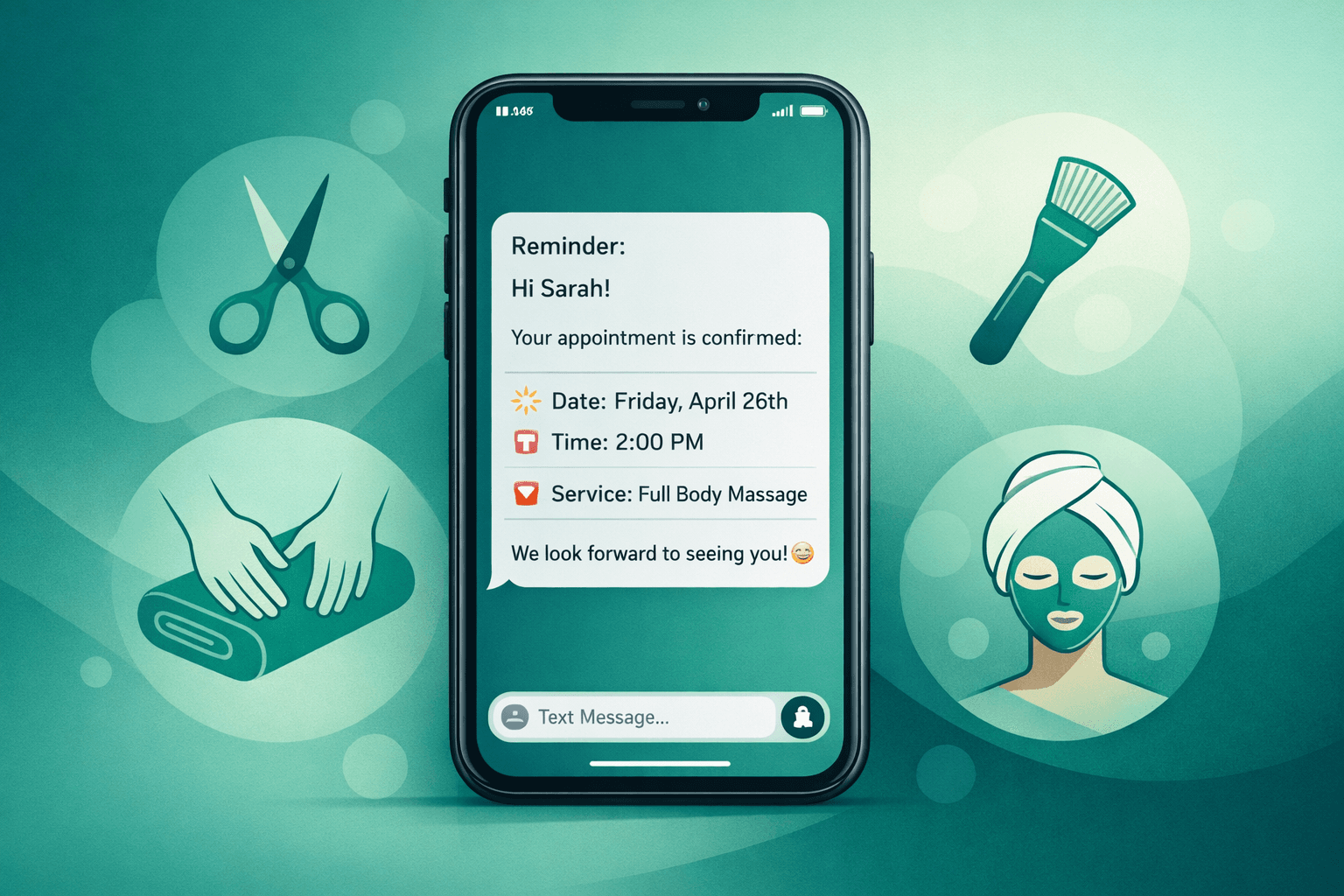
Confirmation and Reminder Messages
Handling Exceptions and Disputes
Even the clearest policy will face pushback. Prepare your team for common scenarios.
Emergency Situations
Regular Clients
Dispute Resolution
Measuring Success
Track these metrics to gauge your deposit policy effectiveness:
Key Performance Indicators
No-Show Rates
Revenue Protection
Client Retention
Optimization Opportunities
If booking conversion drops significantly, consider:
Your booking data will show whether deposits are protecting revenue without harming client relationships.
Common Mistakes to Avoid
Deposit policies can backfire if implemented poorly. Watch out for these pitfalls:
Inconsistent Enforcement
Partial enforcement creates confusion and undermines the policy. If you have exceptions, make them explicit rules.
Complicated Refund Process
Clients should get refunds quickly and easily when they follow your cancellation policy. Difficult refunds damage trust.
Poor Staff Training
Every team member needs to understand and explain your policy consistently. Mixed messages hurt conversion and client experience.
Ignoring Feedback
Client pushback often contains valid concerns. Adjust your policy based on real feedback, not just revenue protection.
Conclusion
A well-implemented appointment deposit policy protects your revenue, reduces no-shows, and actually improves client experience by ensuring more reliable booking availability.
The key is making deposits feel like security rather than punishment. Clear communication, fair terms, and consistent enforcement create a system that works for both your business and your clients.
Start with a simple policy focused on your highest-value services, then expand based on what works. Your booking system should handle the heavy lifting automatically, leaving your team to focus on delivering great service to the clients who show up.
FAQ
Q: What percentage of clients will refuse to pay deposits?
A: Most businesses see 5-15% booking abandonment when introducing deposits, but this is offset by the revenue protection from reduced no-shows. Clients who pay deposits are also typically more committed and valuable.
Q: Should deposits be refundable or non-refundable?
A: Refundable deposits with clear cancellation windows work better for client relationships. Non-refundable deposits may protect more revenue but can damage client trust and reduce repeat bookings.
Q: How do I handle deposit collection for phone bookings?
A: Train staff to collect payment information during the call and process deposits immediately. Voice AI systems like Shamrok can handle this automatically, ensuring consistent deposit collection without staff overhead.
Q: Can I implement different deposit policies for different services?
A: Yes, and this is recommended. Higher-value or longer services should have proportionally higher deposits. Short or low-cost services may not need deposits at all.