AI Phone Systems Hit 73% Accuracy in 2026: What's Real?
New 2026 data shows AI phone systems reaching 73% accuracy. We break down what these numbers actually mean for small business owners considering automation.
AI Phone Systems Hit 73% Accuracy in 2026: What's Real?
A new industry report dropped this week showing that AI phone systems have reached an average accuracy rate of 73% across all business types. If you're a small business owner who's been on the fence about AI phone automation, these numbers might seem promising — or confusing.
Here's the thing: that 73% figure doesn't tell the whole story. And if you're thinking about implementing AI for your business phones, you need to understand what accuracy actually means in practice.
What Does "73% Accuracy" Actually Mean?
When researchers talk about AI phone system accuracy, they're typically measuring how often the system correctly understands what a caller is saying and responds appropriately. But this number can be misleading for several reasons.
The accuracy varies wildly by use case:
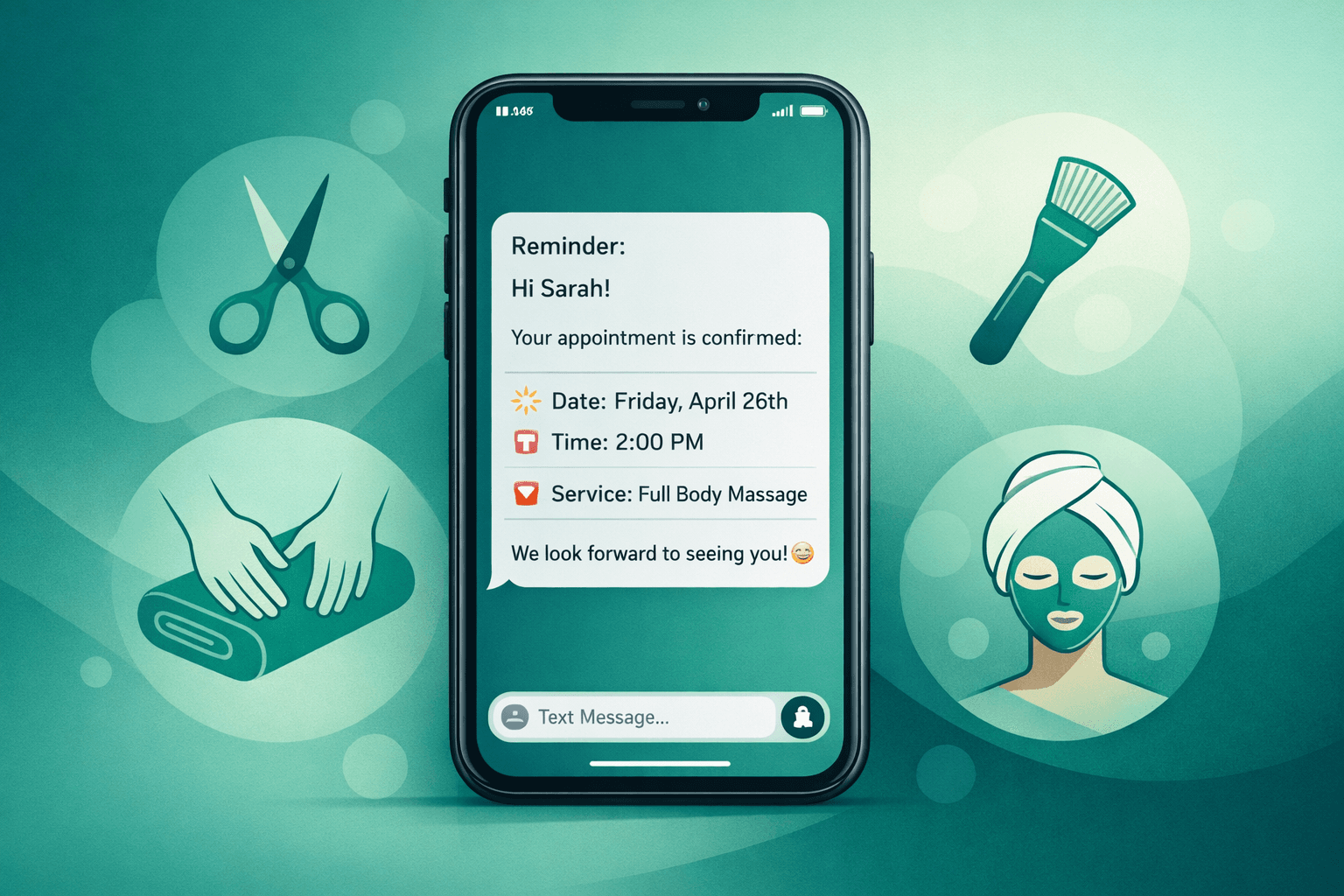
For appointment-based businesses like salons, spas, or dental offices, the accuracy rates are much higher because the conversations follow predictable patterns. Someone calls to book, reschedule, or cancel — that's it.
But here's what the studies don't capture: How frustrated do your customers get during that remaining 27% of interactions that go wrong?
The Real Cost of Getting It Wrong
Let's talk numbers that matter to your bottom line. A botched AI interaction doesn't just mean a missed booking — it can mean a lost customer.
Recent data from service businesses shows:
This is why the "good enough" approach doesn't work for customer-facing AI. You're not just automating a task — you're automating your first impression.
What High-Performing AI Systems Actually Do Differently
The businesses seeing success with AI phone systems aren't just throwing technology at the problem. They're implementing systems with specific capabilities:
1. Context Awareness
Good AI systems understand your business context. They know your services, pricing, and availability patterns. When someone calls asking about "the facial package," the system knows exactly what they mean without generic responses.
2. Graceful Handoffs
The best systems know when to punt to a human. Instead of struggling through a complex request, they seamlessly transfer the call with context about what the customer was trying to accomplish.
3. CRM Integration That Actually Works
This isn't just about logging calls. Advanced systems pull customer history, preferences, and notes to provide personalized service. When Mrs. Johnson calls, the AI knows she prefers Tuesday afternoons and always books with Sarah.
4. Continuous Learning
Systems that improve over time analyze every interaction to get better at handling your specific customer base and business needs.
Industry-Specific Performance Gaps
Not all businesses see the same results from AI phone systems. Here's what the 2026 data shows:
High Success Rates (80%+ accuracy):
Moderate Success (60-75%):
Struggling (Below 60%):
The pattern is clear: businesses with standardized appointment types and predictable customer requests see much better results.
The Hidden Costs Nobody Talks About
Before you get excited about that 73% accuracy rate, factor in these often-overlooked expenses:
Setup and Training Time: Most AI systems require 2-4 weeks of setup and training. During this period, you're still handling calls manually while paying for the AI service.
Staff Training: Your team needs to learn how to work with the AI system, monitor its performance, and handle escalated calls effectively.
Integration Headaches: If your current booking system doesn't play nice with the AI platform, you're looking at additional integration costs or workflow changes.
Ongoing Monitoring: AI systems need regular oversight. Someone on your team needs to review failed calls and adjust settings — that's ongoing labor cost.
What to Look for in 2026
If you're considering AI phone automation, here are the must-have features based on what's working this year:
Transparent Pricing
Avoid platforms that charge per minute or per call. These costs add up fast, especially during busy periods. Look for flat monthly pricing so you can predict your expenses.
No Long-Term Contracts
The AI space is moving fast. Don't lock yourself into annual contracts when better solutions might emerge in six months.
Real-Time Performance Monitoring
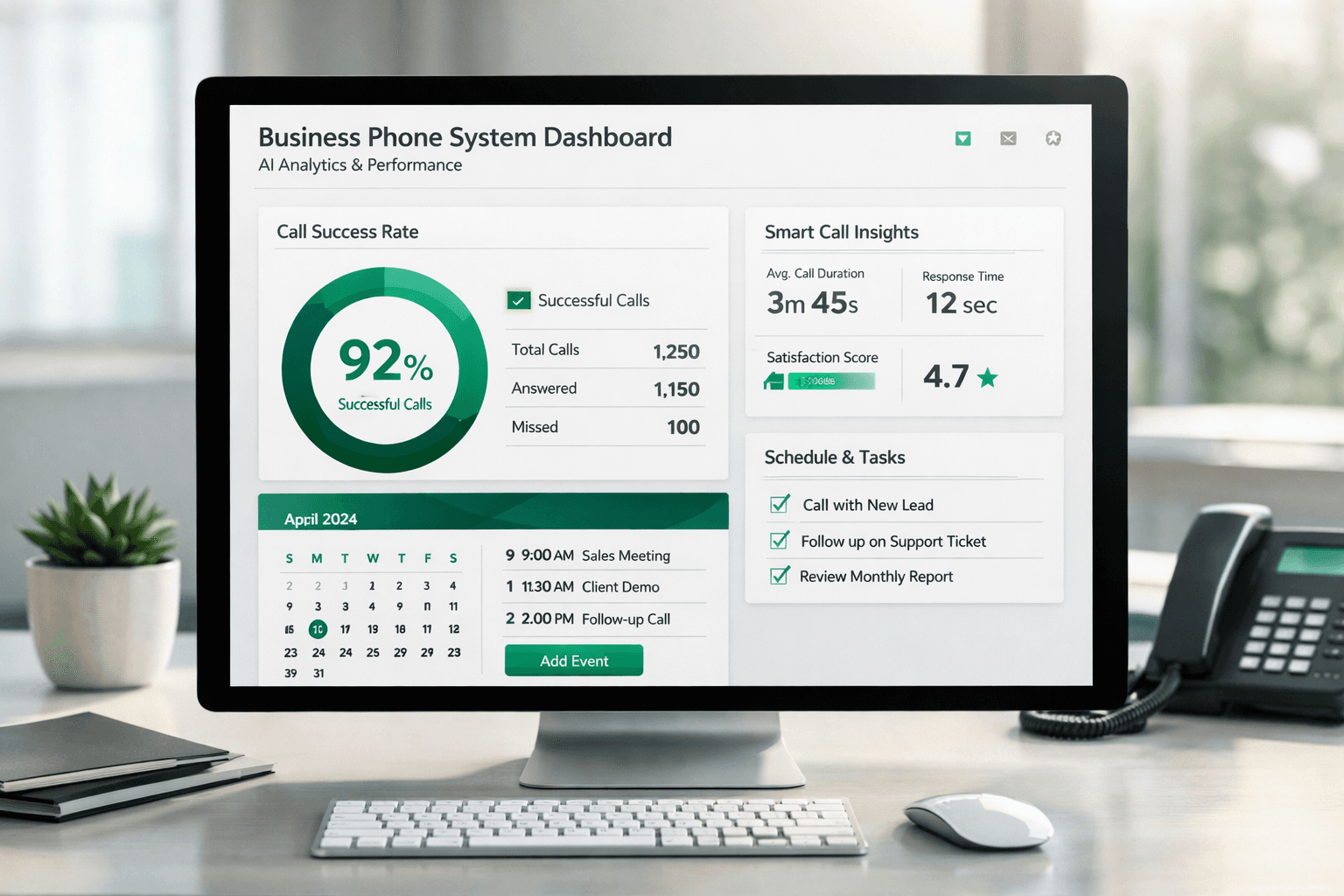
You should be able to see exactly how your AI is performing, which calls succeeded, and where problems occur.
Native CRM Integration
Make sure the AI can directly access and update your existing booking system. Third-party integrations often break and create data sync issues.
The Bottom Line for Small Businesses
That 73% accuracy rate? It's an average across all business types and use cases. For appointment-based businesses with straightforward scheduling needs, modern AI systems are performing much better — often in the 85-90% range.
But accuracy isn't everything. The real question is whether the AI system enhances your customer experience while reducing your workload. A system that handles simple bookings flawlessly while gracefully transferring complex requests to humans can be incredibly valuable, even if it's not perfect.
The key is choosing a system built specifically for your type of business, not a generic solution trying to work for everyone. Companies like Shamrok, for example, focus exclusively on appointment-based businesses rather than trying to be everything to everyone.
Making the Decision
Before implementing any AI phone system, ask yourself:
If most of your calls are straightforward appointment requests and you have the bandwidth to properly implement and monitor the system, 2026 might be the year to make the switch. Just don't expect perfection — expect a tool that handles the routine stuff so your team can focus on what matters most.
FAQ
Q: Is 73% accuracy good enough for customer-facing AI?
A: It depends entirely on your business type. For simple appointment scheduling, modern AI systems achieve 85-90% accuracy. For complex customer service, 73% might not be sufficient. The key is understanding what types of calls the AI will handle and setting appropriate expectations.
Q: How long does it take to see ROI from AI phone systems?
A: Most appointment-based businesses see ROI within 2-3 months if the system handles at least 60% of routine calls successfully. The savings come from reduced staff time on phone tasks and fewer missed calls during busy periods.
Q: What happens when the AI system doesn't understand a caller?
A: Good AI systems are designed to gracefully transfer calls to humans when they can't help. The best systems provide context about what the customer was trying to accomplish, so your staff can pick up seamlessly.
Q: Can AI phone systems work with existing booking software?
A: Many modern AI platforms integrate directly with popular scheduling systems like Vagaro, Mindbody, Boulevard, and others. However, integration quality varies significantly, so verify compatibility before committing to any platform.