AI Phone Assistants Are Replacing Human Receptionists
Voice AI is handling customer calls for 40% of service businesses. Here's what small business owners need to know about AI phone assistants and costs.
AI Phone Assistants Are Replacing Human Receptionists
The phone rings at 2 PM on a Tuesday. Your receptionist is at lunch, and you're with a client. The call goes to voicemail — another potential booking lost.
This scenario plays out thousands of times daily across salons, spas, dental offices, and service businesses. But in 2024, a growing number of business owners are solving this problem with AI phone assistants that never take breaks, never call in sick, and cost less than minimum wage.
According to recent industry data, 40% of appointment-based businesses now use some form of voice AI for customer interactions. The technology has reached a tipping point where it's not just functional — it's often better than human staff at handling routine calls.
The Numbers Don't Lie: Why Businesses Are Making the Switch
The average salon or spa loses 30-40% of potential bookings because no one answers the phone. That's not a staffing problem — that's a math problem.
Here's what the data shows:
The economics are compelling, but the real driver is customer experience. Today's AI can schedule appointments, answer basic questions, and transfer complex calls to humans — all while maintaining your brand voice.
What AI Phone Assistants Can Actually Do Right Now
Forget the sci-fi fantasy. Here's what voice AI handles today in real service businesses:
Appointment Scheduling and Management
Customer Service Tasks
Business Intelligence
The key limitation: AI works best for routine, predictable interactions. Complex complaints, new service consultations, or emergency situations still need human judgment.
The Hidden Costs of Not Answering Your Phone
Most business owners underestimate how much money walks out the door with every missed call. Consider a mid-sized salon:
That's $30,000-45,000 in lost bookings annually — more than enough to pay for both AI phone service AND a human receptionist.
The problem compounds because customers don't usually call back. They book elsewhere. Your competitor with better phone coverage gets that revenue instead.
What to Look for in an AI Phone Assistant
CRM Integration is Non-Negotiable
Your AI needs to connect directly with your booking system. If it can't write appointments into Vagaro, Boulevard, or whatever platform you use, it's just an expensive answering service.
Pricing Models Matter
Voice Quality and Customization
The AI should sound professional and match your brand personality. Cheap solutions often sound robotic or use generic scripts that don't fit service businesses.
Human Handoff Capabilities
For complex issues, the AI should seamlessly transfer to human staff with context about the conversation. No customer wants to repeat themselves.
Industry Examples: Who's Using AI Phone Assistants Successfully
Medical Spas: Handle insurance questions, schedule consultations, manage treatment follow-ups
Salons and Barbershops: Book appointments, manage color consultations, handle product inquiries
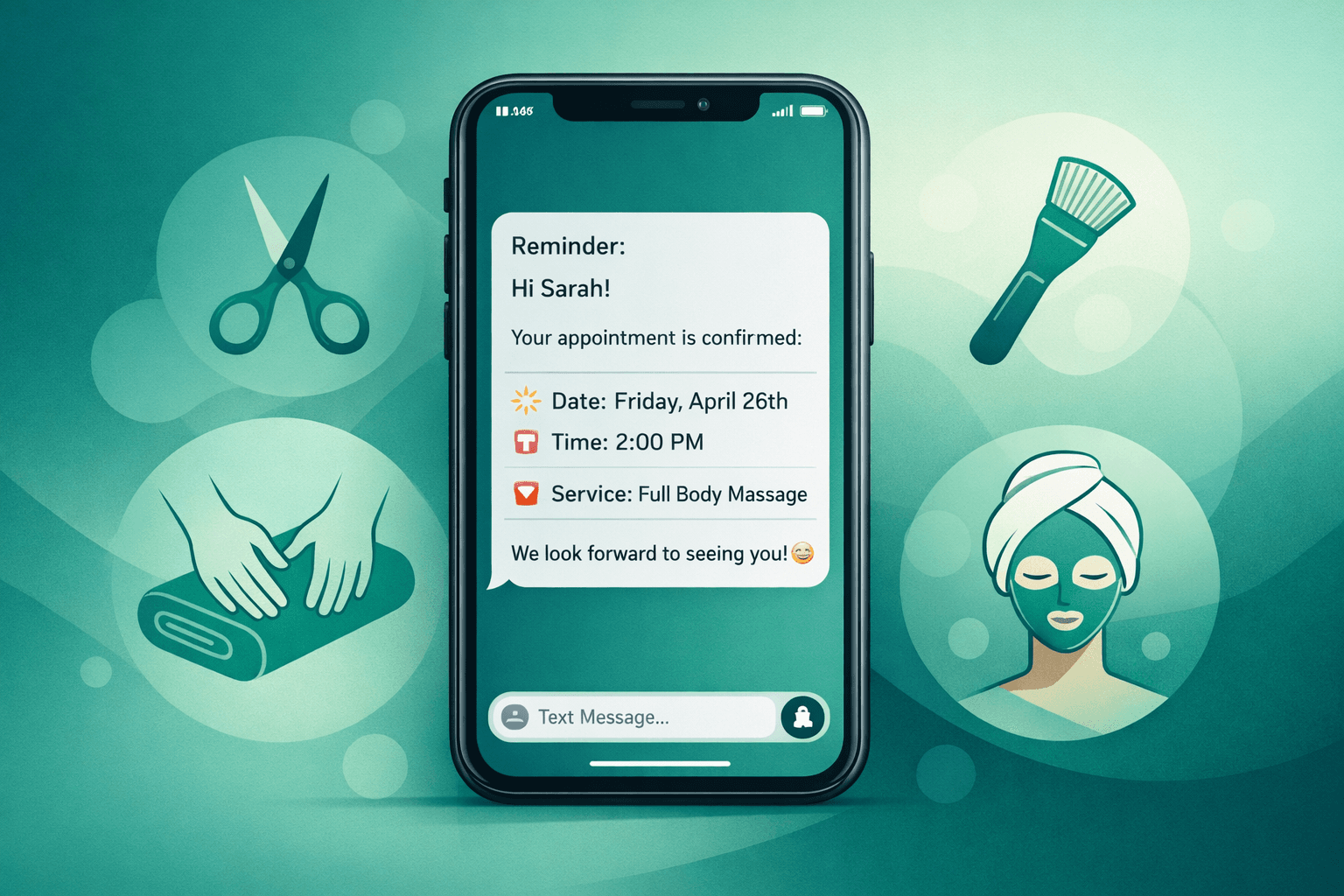
Dental Offices: Schedule cleanings, send appointment reminders, process insurance verifications
Fitness Studios: Manage class bookings, handle membership questions, process cancellations
The common thread: businesses with high call volume and routine booking needs see the biggest impact.
Implementation Timeline and Realistic Expectations
Most AI phone systems take 2-4 weeks to implement properly:
Week 1: System setup and CRM integration
Week 2: Voice training and script customization
Week 3: Testing with staff and soft launch
Week 4: Full deployment and monitoring
Expect a learning curve. The AI will make mistakes initially, but most platforms improve through machine learning and feedback.
Start with basic appointment booking, then gradually add more complex tasks as the system proves itself.
The Bottom Line: ROI Calculation Made Simple
Before investing in AI phone assistance, calculate your specific ROI:
If your lost revenue exceeds the AI cost by 3:1, it's probably worth testing.
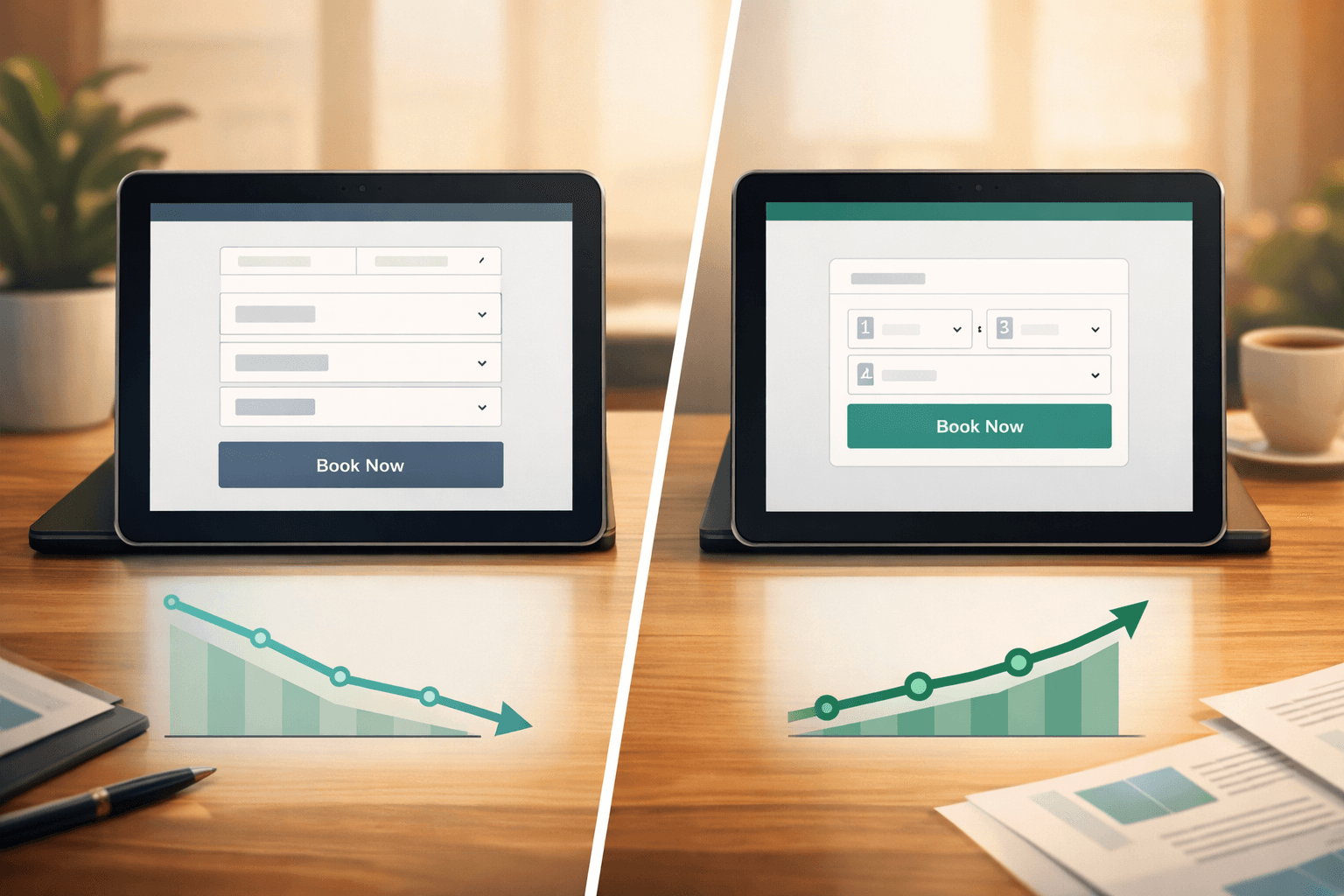
For context, businesses using platforms like Shamrok typically see 25-40% increases in booking conversion within the first month, simply because more calls get answered.
Frequently Asked Questions
Q: Will customers be annoyed that they're talking to AI instead of a human?
A: Most customers can't tell the difference with high-quality voice AI, and many prefer the efficiency. The key is transparency — let customers know they can speak to a human if needed.
Q: How does AI handle complex scheduling like color consultations or multi-service appointments?
A: Advanced AI can manage multi-step bookings, but complex consultations requiring extensive back-and-forth work better with human staff. Most systems allow easy handoff.
Q: What happens if the AI makes a scheduling mistake?
A: Quality AI platforms include error correction and can reverse bookings. However, this is why gradual implementation and monitoring are crucial in the first month.
Q: Can AI phone assistants work with any CRM system?
A: Integration varies by platform. Major systems like Vagaro, Boulevard, Mindbody, and Fresha typically have established integrations, while custom or niche CRMs may require additional development work.