AI Phone Agents Cut No-Shows by 40% in Service Businesses
New data shows AI phone systems are dramatically reducing appointment no-shows for salons, spas, and clinics. Here's how automated reminders and rebooking work.
AI Phone Agents Cut No-Shows by 40% in Service Businesses
No-shows are killing service businesses. When a client doesn't show up for their appointment, you're not just losing that booking — you're losing the time, the prep work, and often the chance to fill that slot with someone else.
But here's what's changing in 2026: AI phone systems are proving they can solve this problem better than traditional text reminders or manual calls. New industry data shows businesses using AI voice agents for appointment management are seeing 35-40% reductions in no-show rates compared to text-only reminder systems.
The difference isn't just the technology — it's how these AI systems handle the entire conversation, not just fire off a reminder.
Why Traditional Reminder Systems Fall Short
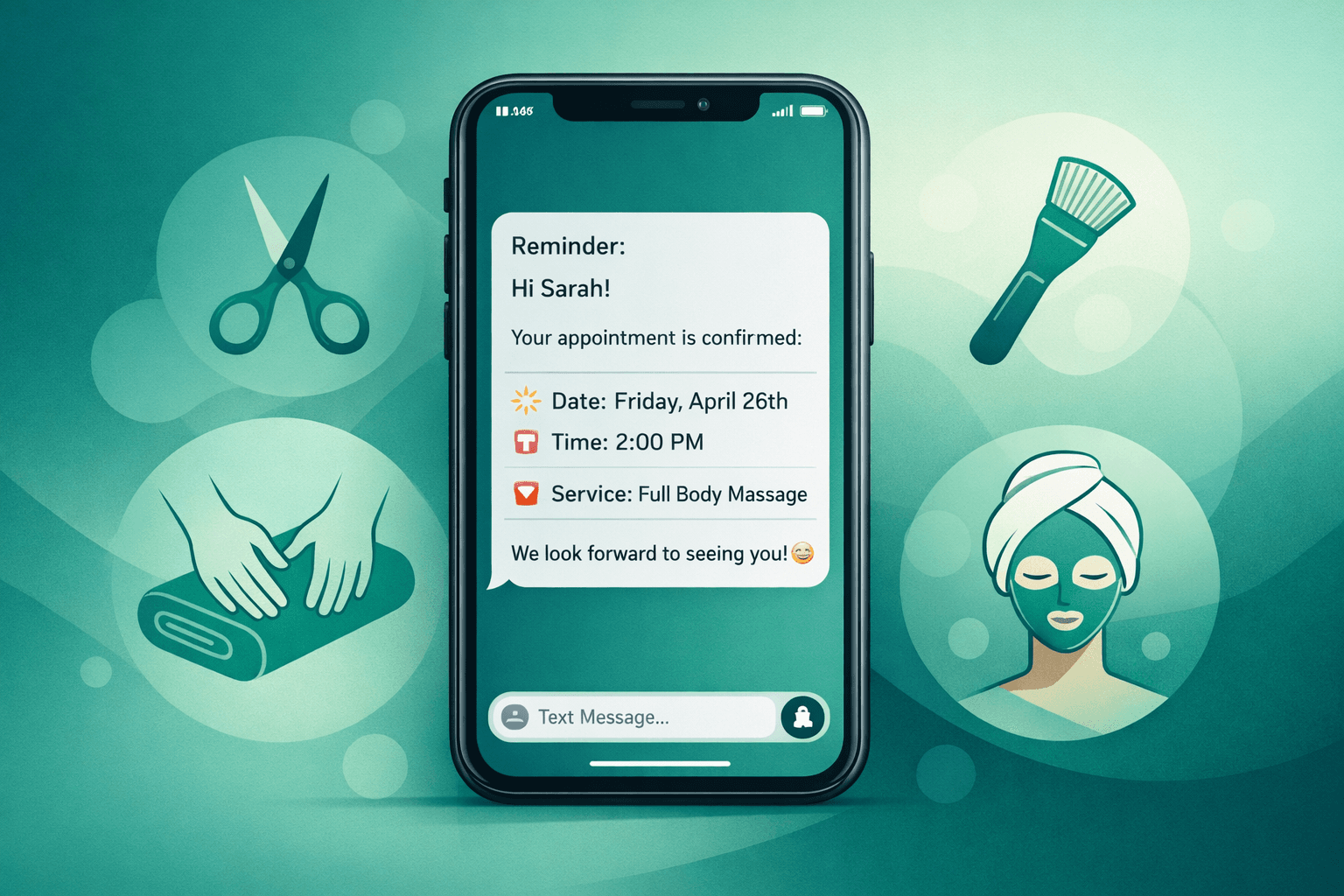
Most businesses rely on automated text messages: "Reminder: You have an appointment tomorrow at 2 PM. Reply CONFIRM to confirm." Simple, cheap, but increasingly ineffective.
The problem? Texts get ignored, buried in notification overload, or misunderstood. When someone needs to reschedule, there's no immediate way to handle it. The client either shows up late, calls during business hours (interrupting other clients), or just doesn't show up at all.
Recent data from appointment-heavy industries:
The gap is clear: businesses need systems that can actually have conversations, not just send notifications.
How AI Phone Agents Handle the Full Conversation
AI voice systems work differently. Instead of sending a text and hoping for the best, they place actual phone calls that feel natural and can adapt to whatever the client needs.
Here's what a typical AI reminder call looks like:
AI: "Hi Sarah, this is calling from Bloom Wellness to confirm your massage appointment tomorrow at 3 PM with Jessica."
Client: "Oh, actually I need to move that. Can we do Thursday instead?"
AI: "Let me check Jessica's Thursday availability... I have 2 PM or 4:30 PM open. Which works better?"
Client: "2 PM is perfect."
AI: "Great! I've moved your appointment to Thursday at 2 PM. You'll get a confirmation text shortly."
The entire rebooking happens in real-time, outside business hours, without any staff involvement.
The Three-Layer Approach That Works
Layer 1: Smart Timing
AI systems call at optimal times based on client behavior patterns. Not everyone answers at 6 PM — some people are better reached at 11 AM or 8 PM.
Layer 2: Conversation, Not Confirmation
Instead of asking "Can you confirm?", effective AI agents ask "Are you all set for tomorrow at 2 PM, or do you need to make any changes?" This opens the door for rescheduling instead of forcing a yes/no response.
Layer 3: Immediate Problem-Solving
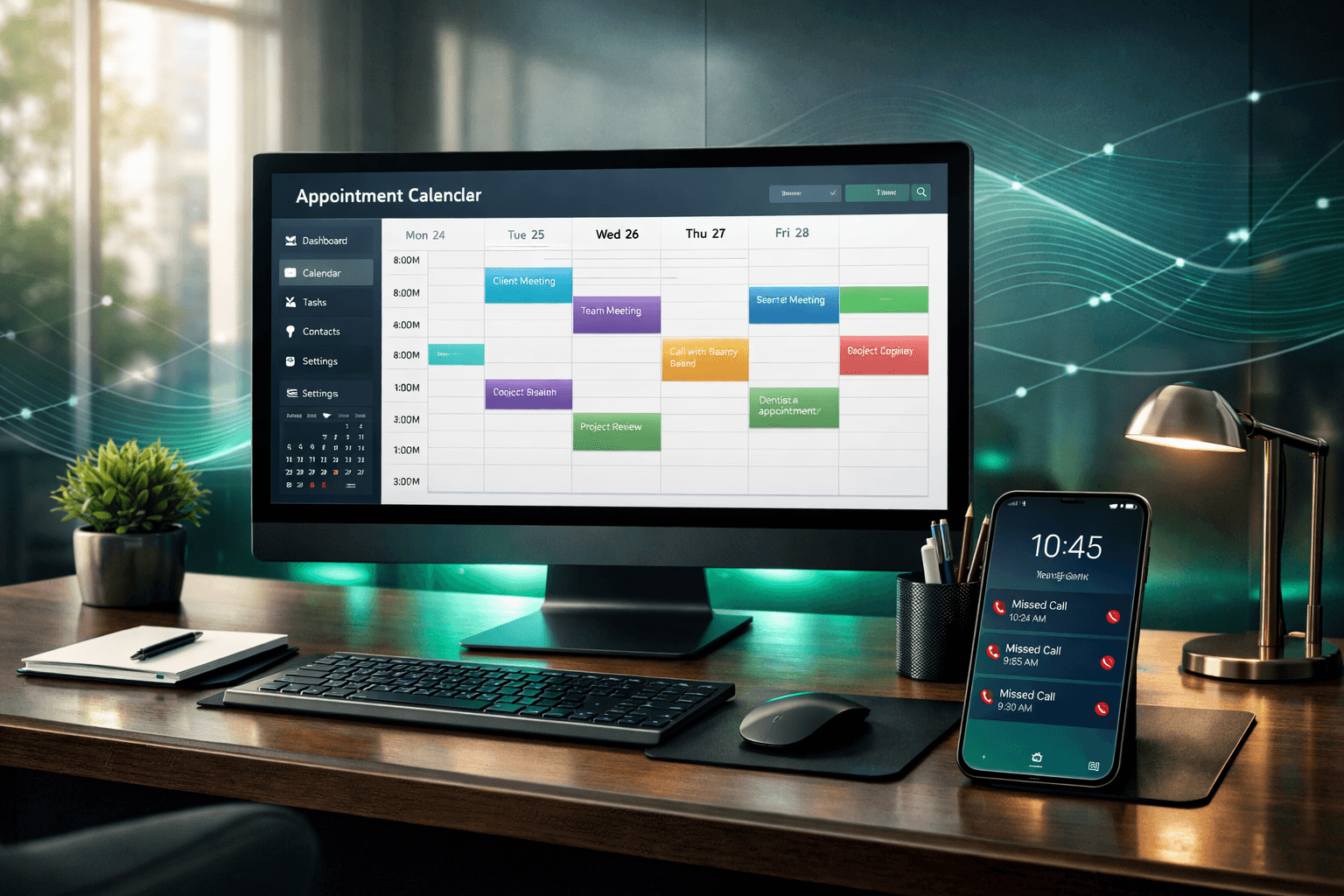
When someone needs to reschedule, the AI can access the calendar, offer alternatives, and book the new time slot — all in the same call.
Real Numbers from Early Adopters
Spas and salons implementing AI voice reminder systems in early 2026 are seeing consistent results:
The pattern is consistent across service types: when clients can actually talk through scheduling conflicts, they reschedule instead of no-showing.
The Economics Make Sense
For a salon doing 200 appointments per week at $85 average ticket:
Even accounting for the cost of an AI system, the ROI is typically 300-500% in the first year for most service businesses.
Implementation Tips for Service Businesses
If you're considering AI phone agents for appointment management, here's what actually matters:
Start with Existing CRM Integration
The AI needs to connect directly to your booking system (Vagaro, Mindbody, Boulevard, etc.). If it can't access and update your calendar in real-time, you're just adding another tool to manage.
Focus on Natural Conversation Flow
Test how the system handles common scenarios: rescheduling, cancellations, running late, bringing additional people. The AI should sound helpful, not robotic.
Set Clear Escalation Rules
Some calls will need human intervention. Make sure the system knows when to say "Let me have someone from the team call you back" instead of trying to solve everything.
Track the Right Metrics
Don't just measure no-show reduction. Track:
What to Expect in the Next 12 Months
AI voice technology is improving rapidly. By late 2026, expect to see:
The businesses implementing these systems now are building the operational efficiency that will matter as competition increases.
Beyond Just Reminders
While appointment reminders get the most attention, AI phone systems are handling broader customer service tasks:
For service businesses, this isn't just about preventing no-shows — it's about creating a better client experience while reducing the administrative burden on staff.
The early data is clear: AI voice systems aren't just a nice-to-have anymore. They're becoming essential infrastructure for service businesses that want to operate efficiently and grow sustainably.
FAQ
Q: How much do AI phone systems typically cost for small service businesses?
A: Most AI voice platforms charge $200-800 per month for small to medium service businesses, depending on call volume and features. Look for flat-rate pricing instead of per-minute billing to avoid surprise costs.
Q: Will clients be annoyed by AI calls instead of human calls?
A: Recent surveys show 73% of clients prefer AI reminder calls over text messages, and 81% said they couldn't tell the difference between AI and human agents for simple appointment confirmations. The key is natural conversation flow.
Q: Can AI systems integrate with existing booking software like Vagaro or Mindbody?
A: Yes, most modern AI voice platforms offer direct integrations with major CRM systems. This allows real-time calendar access and automatic updates when appointments are rescheduled.
Q: What happens if the AI can't handle a client's request?
A: Quality AI systems include escalation protocols that transfer complex requests to human staff or schedule callback appointments. The AI should know its limitations and hand off appropriately.