Why Voice AI Finally Works for Small Business in 2026
Voice AI hit a tipping point in 2026. Here's why small businesses are finally adopting it successfully and how you can evaluate if it's right for yours.
Why Voice AI Finally Works for Small Business in 2026
For years, voice AI felt like tech demo theater. Remember those early chatbots that could barely handle "What are your hours?" without crashing? Or the voice assistants that required customers to speak like robots just to book an appointment?
Something shifted in late 2025 and early 2026. Voice AI crossed a reliability threshold that small businesses actually trust. Not because the technology got flashier, but because it got boring—and boring is exactly what you want when handling customer calls.
The 2026 Tipping Point: What Actually Changed
Three major developments converged to make voice AI practical for small businesses:
Natural Conversation Flow
Earlier voice AI required rigid scripts. Customers had to say exactly the right words in the right order, or the system would break down. Today's systems handle the messy reality of human conversation:
These aren't scripted interactions—they're the real conversations your staff handles daily.
Integration That Actually Works
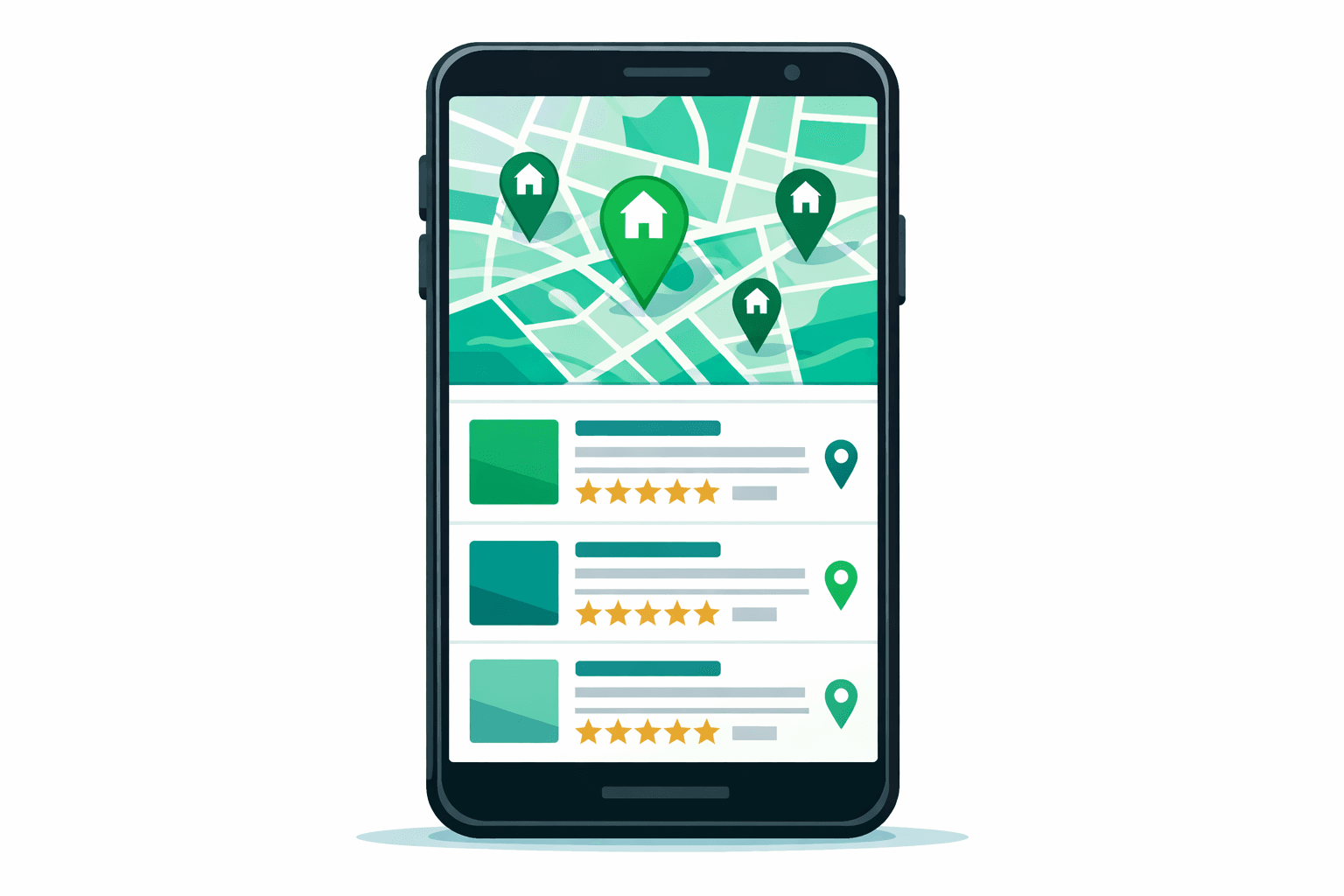
The breakthrough wasn't better AI; it was better plumbing. Voice AI systems can now plug directly into your existing booking software without requiring a computer science degree. Whether you're using Vagaro, Mindbody, Boulevard, or Fresha, modern voice AI reads your real schedule and makes real appointments.
No more manually syncing calendars or hoping the AI doesn't double-book your Saturday afternoon.
Pricing Models That Make Sense
Early voice AI charged per minute, creating anxiety about every customer interaction. "What if they're chatty? What if the AI gets confused and the call runs long?"
The winning companies switched to flat monthly pricing. You know exactly what you'll pay, whether you get 50 calls or 500.
How Small Businesses Are Actually Using Voice AI
The most successful implementations aren't trying to replace humans entirely. They're using AI to handle the predictable stuff so staff can focus on what matters.
After-Hours Coverage
Your salon closes at 6 PM, but customers want to book appointments at 8 PM while scrolling Instagram. Voice AI handles these calls automatically, checking your real schedule and confirming bookings that appear in your system the next morning.
Result: 30-40% more bookings without extending staff hours.
Appointment Changes and Confirmations
"I need to move my 2 PM to 4 PM" doesn't require human judgment—it requires calendar access. Voice AI handles these routine requests instantly, freeing up your team for consultations and customer care.
Peak Hour Overflow
Tuesday afternoons and Saturday mornings often overwhelm small business phone lines. Instead of losing calls to voicemail, AI handles the overflow while your staff serves in-person customers.
The Numbers Behind Small Business Voice AI Adoption
Data from business software providers shows adoption accelerating:
What to Look For in a Voice AI Partner
Not all voice AI is created equal. Here's what successful small businesses prioritize:
Flat-Rate Pricing
Avoid per-minute billing. You want predictable costs, not anxiety about chatty customers.
Direct CRM Integration
The AI should write directly to your existing booking system—no middleware, no manual imports, no hoping data syncs correctly.
Month-to-Month Contracts
Technology moves fast. Lock yourself into annual contracts and you're stuck with 2026 technology in 2027.
Actual Support
When something breaks at 9 AM on a busy Saturday, you need real humans who can fix it, not a chatbot that tells you to submit a ticket.
Implementation Reality Check
Voice AI isn't magic. It works best when you:
The Competitive Advantage Window
Here's the strategic reality: voice AI adoption is still early enough that implementing it creates a competitive advantage. While your competitors lose calls to voicemail, you're booking appointments. While they're tied up with routine scheduling calls, your staff is building customer relationships.
But this window won't stay open long. By late 2026, voice AI will be table stakes, not a differentiator.
What This Means for Your Business
Voice AI reached maturity in 2026 because it solved real problems instead of creating flashy demos. For appointment-based businesses, it's becoming as essential as online booking was five years ago.
The question isn't whether voice AI will impact your industry—it's whether you'll adopt it while it's still a competitive advantage, or wait until it's required just to keep up.
Start by identifying your biggest phone pain points: after-hours calls, appointment changes, peak hour overflow. Those are exactly what voice AI handles best.
FAQ
Q: How much does voice AI typically cost for a small business?
A: Most reputable providers charge $200-800 per month for unlimited calls, depending on features and integrations. Avoid per-minute pricing—it creates unpredictable costs.
Q: Will voice AI work with my existing booking software?
A: Modern voice AI integrates directly with major platforms like Vagaro, Mindbody, Boulevard, and Fresha. Always verify integration capabilities before committing.
Q: What happens if the AI can't handle a customer's request?
A: Quality systems seamlessly transfer complex calls to human staff. The AI should recognize its limitations and escalate appropriately, not guess.
Q: How long does it take to set up voice AI for a small business?
A: Proper implementation typically takes 1-2 weeks, including system integration, staff training, and testing with real calls. Beware of "instant setup" promises—they usually mean corners are being cut.