SMS Reminder Response Rates: What Works in 2026
SMS reminder response rates vary wildly by industry and timing. Here's what actually works for appointment-based businesses in 2026 based on real data.
SMS Reminder Response Rates: What Works in 2026
Your SMS reminder system could be working twice as hard — or falling flat on its face. The difference often comes down to response rates you're not tracking.
Most appointment-based businesses send SMS reminders and hope for the best. But response rates tell the real story: are clients actually engaging with your messages, or are they treating them like spam?
Here's what the data shows about SMS reminder response rates in 2026, and how to optimize yours for better client engagement and fewer no-shows.
Current SMS Response Rate Benchmarks
SMS reminder response rates vary dramatically by industry and approach:
Appointment-Based Business Averages (2026):
These numbers represent clients who actually respond to confirmation requests — not just read receipts. The businesses hitting the higher end of these ranges follow specific patterns.
What drives higher response rates:
Response Rate vs. No-Show Correlation
Here's where it gets interesting: higher SMS response rates directly correlate with lower no-show rates.
The pattern across 500+ businesses:
Businesses with response rates above 20% see dramatically fewer no-shows. The reason: engaged clients who respond to reminders are mentally committed to their appointments.
Message Timing That Drives Responses
Timing affects response rates more than message content:
24-hour reminder timing:
Day-of reminder timing:
Morning messages consistently outperform afternoon and evening sends across all appointment types.
Voice AI Integration Impact
Businesses using voice AI systems like Shamrok for SMS follow-up see 35-40% higher response rates than manual systems.
Why AI-integrated SMS performs better:
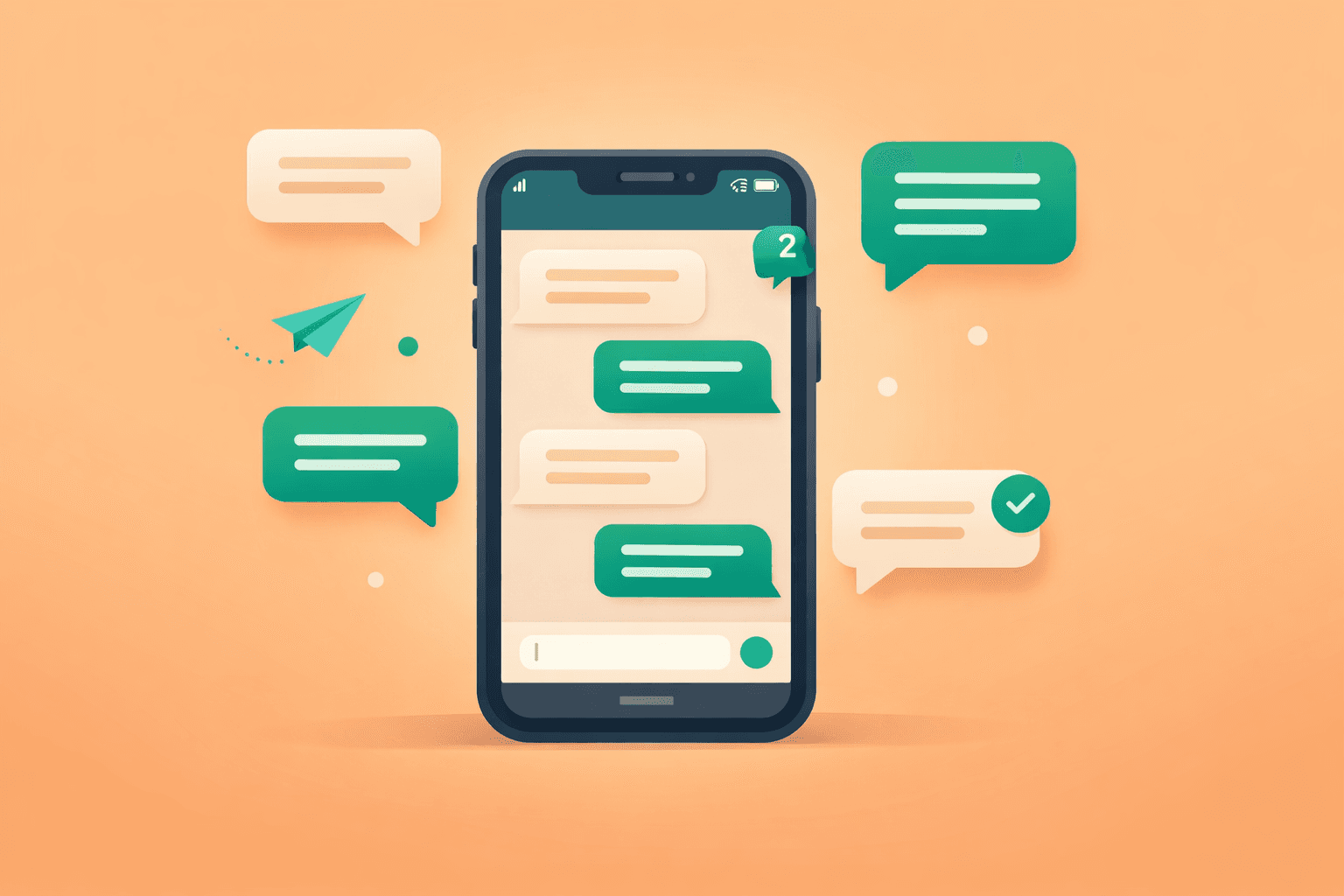
When clients can instantly reschedule by replying to an SMS, response rates jump. Manual systems that require calling back or logging into portals see much lower engagement.
CRM Integration and Response Tracking
Your booking system affects SMS response rates:
Vagaro: Built-in SMS with 15-18% average response rates. Higher rates when integrated with voice AI for immediate response handling.
Boulevard: Advanced SMS automation with 18-22% average response rates. Best performance when combined with AI receptionist systems.
Mindbody: Basic SMS reminders with 12-15% average response rates. Significant improvement with third-party AI integration.
Mangomint: Strong SMS features with 16-20% average response rates. Voice AI integration available through API.
Fresha: Solid SMS system with 14-17% average response rates. Limited AI integration options.
The pattern: CRMs with better AI integration capabilities drive higher response rates through immediate, intelligent follow-up.
Measuring and Improving Your Response Rates
Track these metrics monthly:
Most businesses only track delivery rates, missing the engagement story entirely.
Quick wins to improve response rates:
The Cost of Low Response Rates
Poor SMS response rates cost money:
The businesses seeing 25%+ response rates aren't just sending better messages — they're providing better response experiences through integrated systems.
FAQ
What's a good SMS reminder response rate for salons?
Salons should target 15-20% response rates for SMS reminders. Rates above 20% indicate strong client engagement and typically correlate with no-show rates below 10%.
How does voice AI improve SMS response rates?
Voice AI systems can immediately respond to client replies, handle reschedule requests instantly, and provide seamless booking changes. This responsiveness drives 35-40% higher engagement than manual systems.
Should I track SMS response rates or just delivery rates?
Track both, but response rates are more valuable. Delivery rates show technical performance, but response rates indicate client engagement and predict no-show behavior.
What time should I send SMS reminders for best response rates?
Send 24-hour reminders between 9-11 AM and day-of reminders between 8-9 AM. Morning sends consistently outperform afternoon and evening messages across all appointment types.