Small Businesses Are Using AI Customer Insights in 2026
Small businesses are leveraging AI to understand customer patterns, predict no-shows, and optimize scheduling. Learn practical AI customer insight tools for 2026.
Small Businesses Are Using AI Customer Insights in 2026
Small business owners have always known their customers better than corporate chains. You recognize Mrs. Johnson's voice on the phone, remember that Mark always books last-minute, and know Sarah prefers Tuesday mornings. But in 2026, AI is amplifying this personal touch by revealing patterns you might miss.
The conversation around AI customer insights used to focus on enterprise-level analytics platforms that cost more than most small businesses make in a quarter. That's changing fast. Simple, affordable AI tools are now helping salon owners predict which clients are likely to no-show, enabling restaurant owners to optimize their reservation patterns, and showing wellness practitioners exactly when their busiest booking windows occur.
This isn't about replacing your intuition — it's about backing it up with data that helps you make smarter decisions about staffing, inventory, and customer communication.
What AI Customer Insights Actually Look Like for Small Business
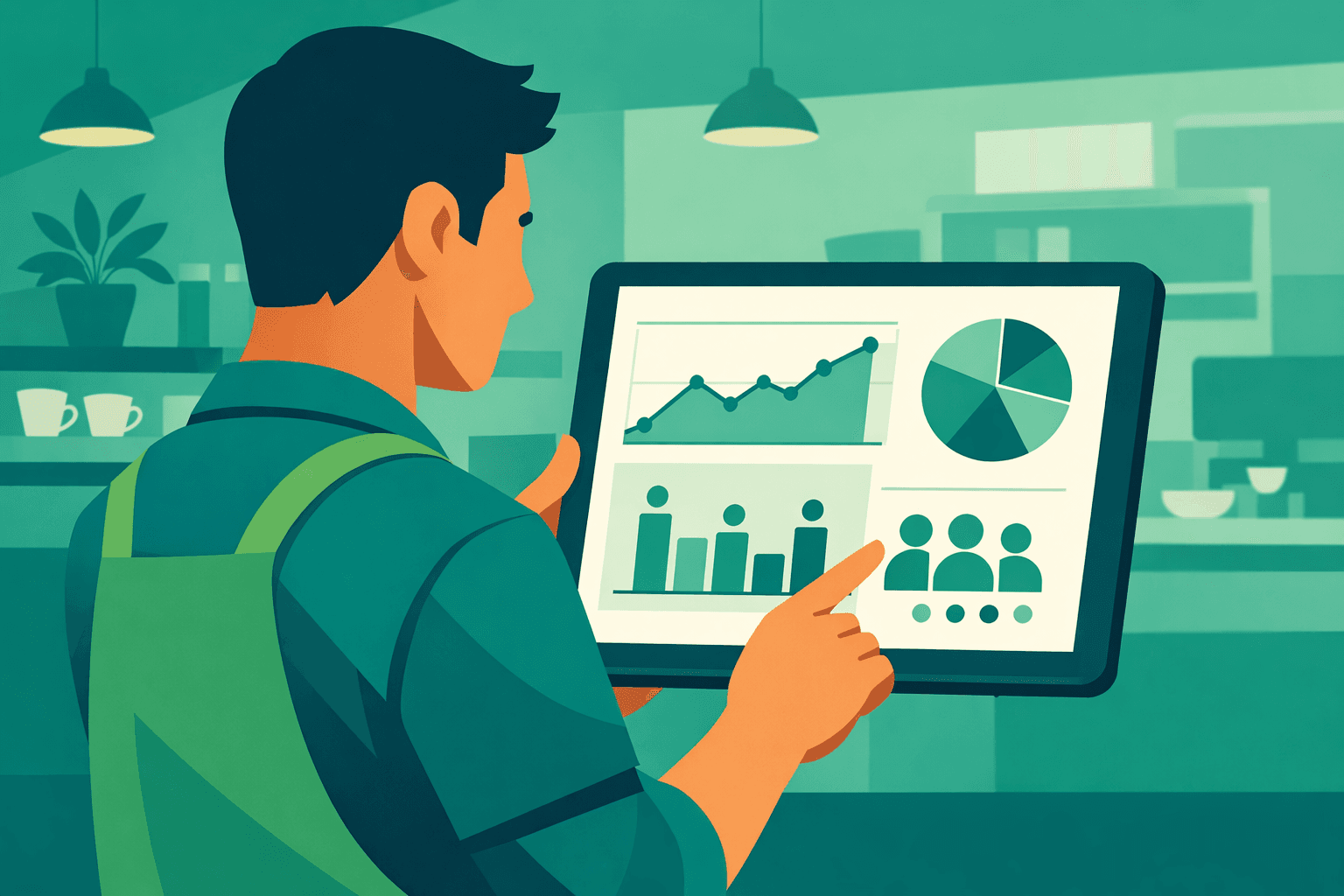
Forget the enterprise dashboards with 47 different metrics. AI customer insights for small businesses focus on actionable patterns that directly impact your bottom line.
Booking Pattern Recognition: AI can identify that 73% of your Saturday morning appointments book between Tuesday and Thursday, helping you adjust your marketing timing. It might notice that clients who book online are 40% less likely to no-show than phone bookings, suggesting where to invest in better booking technology.
Customer Lifecycle Tracking: Instead of guessing when clients might be ready for their next appointment, AI can predict based on historical patterns. If someone typically books every 6 weeks but it's been 8, automated outreach can re-engage them before they drift away entirely.
Revenue Optimization: AI can spot that certain service combinations generate 30% higher ticket averages, or that clients who book multiple services are twice as likely to become regulars. These insights help you train staff on upselling opportunities that feel natural rather than pushy.
The key difference from traditional analytics is that these AI tools don't just show you what happened — they predict what's likely to happen next and suggest specific actions to take.
Practical AI Tools Small Businesses Are Actually Using
The AI customer insight tools gaining traction in 2026 focus on integration over complexity. They plug into the systems you already use instead of requiring you to learn entirely new platforms.
Scheduling Intelligence: Modern booking systems now include AI features that analyze appointment patterns to suggest optimal scheduling. If your Tuesday afternoons consistently have 20% no-shows, the system might recommend confirmation calls or text reminders specifically for those slots.
Customer Communication AI: Tools that analyze your customer communications can identify the language patterns that get the best response rates. They might discover that appointment confirmations mentioning parking availability reduce no-shows by 15%, or that certain subject lines double your email open rates.
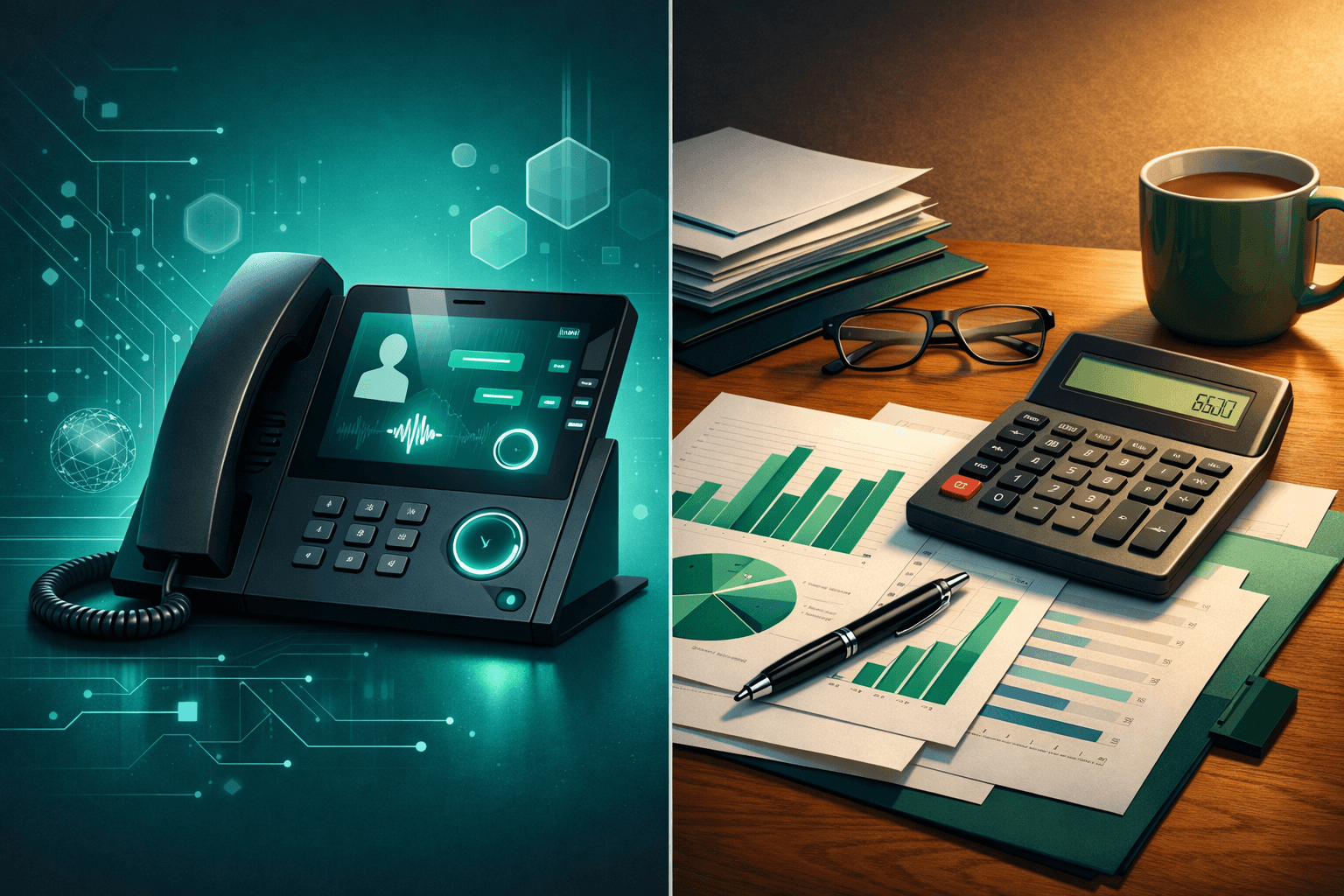
Voice AI Analytics: Businesses using AI phone systems are getting detailed insights about call patterns, common customer questions, and booking behaviors. For example, you might learn that 40% of after-hours calls result in bookings when handled by AI, compared to 0% when those calls go to voicemail.
Shamrok's voice AI platform, for instance, doesn't just answer calls and book appointments — it provides insights about peak calling times, most requested services, and which booking prompts work best with different customer types.
Social Media AI: Simple AI tools now analyze your social media engagement to identify which posts drive the most bookings, what content your customers share most often, and optimal posting times for your specific audience.
The common thread across these tools is that they're designed for business owners who need insights, not data scientists who love spreadsheets.
How to Start Using AI Customer Insights Without Getting Overwhelmed
The biggest mistake small business owners make with AI customer insights is trying to track everything at once. Start with one or two specific problems you want to solve.
Week 1: Choose Your Focus Area
Pick one challenge that costs you money every month. Common options include reducing no-shows, increasing rebooking rates, or optimizing staff schedules. Don't try to solve everything simultaneously.
Week 2: Audit Your Current Data
Most small businesses already collect more customer data than they realize. Your booking system, payment processor, and customer communications contain patterns waiting to be discovered. List what data you already have before adding new tools.
Week 3: Start with Built-in AI Features
Before buying new software, explore AI features in tools you already use. Many CRM and booking platforms added AI insights in 2025-2026. You might discover powerful analytics hiding in a menu you've never clicked.
Week 4: Test One New AI Tool
If your existing tools don't provide the insights you need, try one focused AI solution. Look for tools that integrate with your current systems rather than requiring you to change your entire workflow.
The goal is to build confidence with AI insights gradually rather than revolutionizing your entire operation overnight.
Real-World Results Small Businesses Are Seeing
The small businesses succeeding with AI customer insights in 2026 share a common approach: they focus on incremental improvements rather than dramatic overhauls.
Appointment-Based Businesses: Salons and spas using AI insights report 15-25% reductions in no-shows by identifying patterns in client behavior and adjusting their confirmation processes accordingly. One spa discovered that clients who book facials on Mondays have a 35% higher no-show rate, leading them to implement stronger confirmation protocols for those specific appointments.
Service Businesses: Wellness practitioners are using AI to optimize their service menus based on actual booking patterns rather than assumptions. A massage therapy clinic learned that 60% of deep tissue massage clients also book within two weeks if offered a follow-up stretching session, leading to a simple upsell process that increased average revenue per client by $40.
Retail-Service Hybrids: Barbershops and beauty businesses are using AI insights to optimize their retail offerings. One shop discovered that clients who get beard trims are 3x more likely to purchase beard oil if offered within 48 hours of their appointment, not during the appointment itself.
The pattern across successful implementations is clear: specific insights lead to specific actions, which produce measurable results.
Getting Started Today
AI customer insights for small business isn't about predicting the future — it's about understanding your customers well enough to serve them better. The businesses winning with AI in 2026 are the ones that started small, focused on specific problems, and built their AI capabilities gradually.
Start by identifying one customer behavior pattern you wish you understood better. Whether that's booking timing, service preferences, or communication patterns, there's likely an AI tool that can help you find answers without requiring a computer science degree.
The best part about AI customer insights in 2026 is that they're finally designed for business owners, not engineers. You don't need to understand machine learning algorithms to benefit from tools that help you understand your customers better and serve them more effectively.
FAQ
What's the difference between AI customer insights and regular analytics?
AI customer insights predict future behavior and suggest specific actions, while traditional analytics only show you what already happened. For example, analytics might show you had 20% no-shows last month, but AI insights would predict which upcoming appointments are most likely to no-show and suggest interventions.
How much do AI customer insight tools typically cost for small businesses?
Most small business AI insight tools range from $50-200 per month, often included as features in existing CRM or booking systems you already use. Many platforms added AI capabilities in 2025-2026 without significant price increases.
Do I need technical expertise to use AI customer insights effectively?
No. The AI tools gaining popularity in 2026 are designed for business owners, not data scientists. They provide actionable recommendations rather than raw data that requires interpretation.
How quickly can I expect to see results from AI customer insights?
Most small businesses see initial insights within 2-4 weeks of implementation, with measurable business impact (like reduced no-shows or increased rebookings) typically occurring within 6-8 weeks.