Small Business AI Tools That Actually Save Time in 2026
Discover practical AI tools that small business owners are using right now to automate scheduling, customer service, and marketing without breaking the bank.
Small Business AI Tools That Actually Save Time in 2026
The AI landscape for small businesses has shifted dramatically this year. Gone are the days when AI meant expensive enterprise software or tech teams. Today's AI tools are built for real business owners who need to handle customer calls during a facial, respond to booking requests at 10 PM, or keep up with social media while running their actual business.
If you're drowning in admin tasks and wondering which AI tools are worth your time and money, this guide breaks down what's working for small business owners right now. These aren't flashy tech demos — they're practical solutions that pay for themselves within weeks.
Customer Service AI That Handles Real Conversations
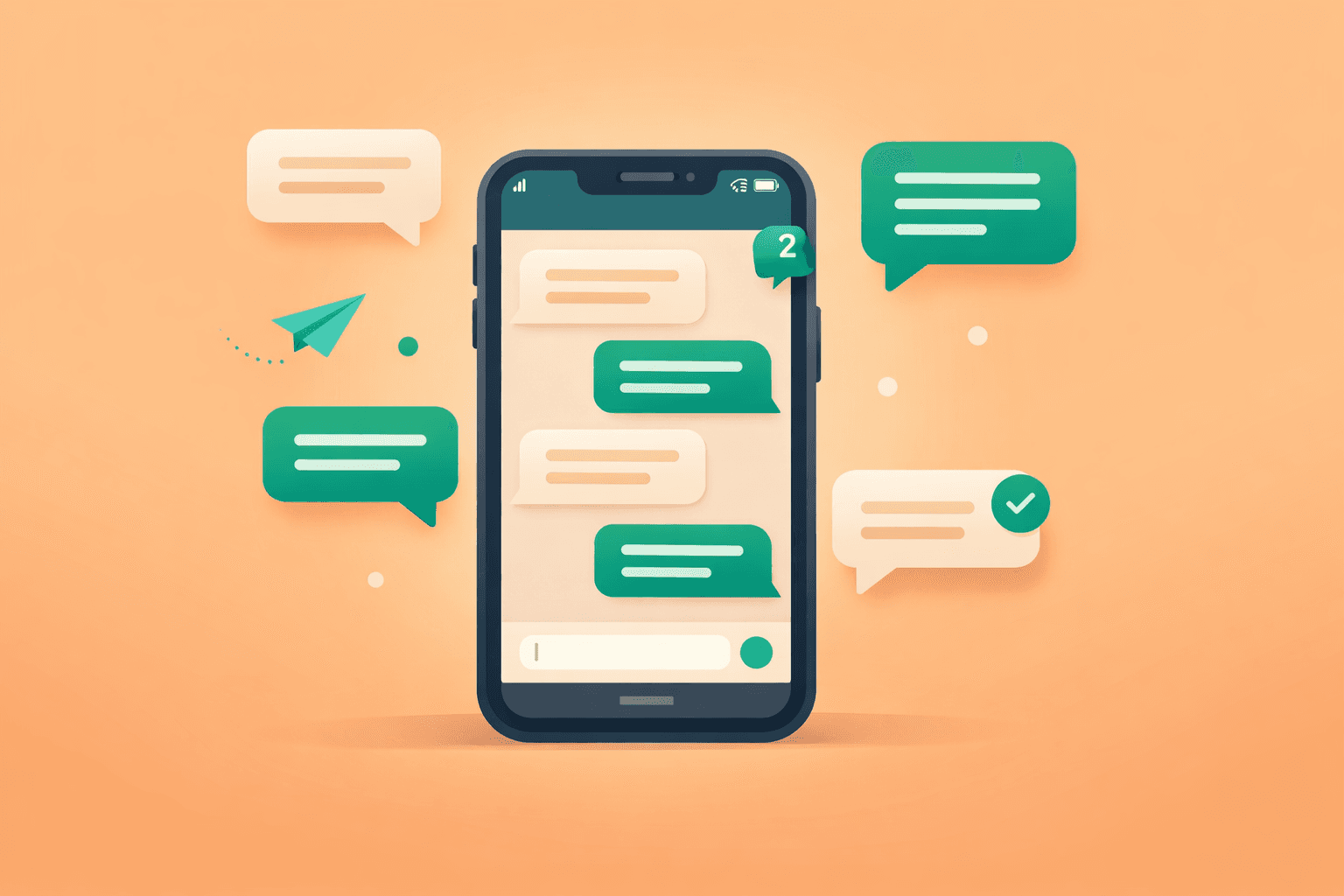
The biggest breakthrough in 2026 has been AI that can actually hold natural conversations with customers. Not chatbots that frustrate people with scripted responses, but systems that understand context and handle complex requests.
Voice AI receptionists have become particularly powerful for appointment-based businesses. These systems can answer calls, check availability, book appointments, and even handle rescheduling requests — all while you're with clients. The technology has reached the point where most callers can't tell they're talking to AI.
For text-based customer service, AI chat systems now integrate directly with your booking software, inventory systems, and customer databases. They can pull real information to answer specific questions about your services, pricing, and availability.
What to look for:
Scheduling AI That Actually Understands Your Business
Scheduling has always been complex for service businesses. Clients want to book outside business hours, reschedule at the last minute, or need specific providers with particular skills. AI scheduling tools in 2026 finally handle these real-world complications.
Modern scheduling AI learns your business rules: which services can be back-to-back, how much setup time you need between certain appointments, which staff members are trained for specific treatments. It can optimize your calendar to reduce gaps, suggest upsells during booking, and automatically handle waitlists.
The most effective systems work through multiple channels — phone calls, text messages, your website, and social media DMs. Clients can book however they prefer, and everything syncs to your main calendar.
Key features that matter:
Marketing AI That Doesn't Sound Like a Robot
Social media management and email marketing have been transformed by AI that understands your brand voice. Instead of generic templates, these tools create content that matches how you actually communicate with customers.
The best marketing AI tools analyze your existing content — your website, past social posts, customer reviews — to understand your tone and style. They can then create new posts, respond to comments, and write email campaigns that sound authentically like your business.
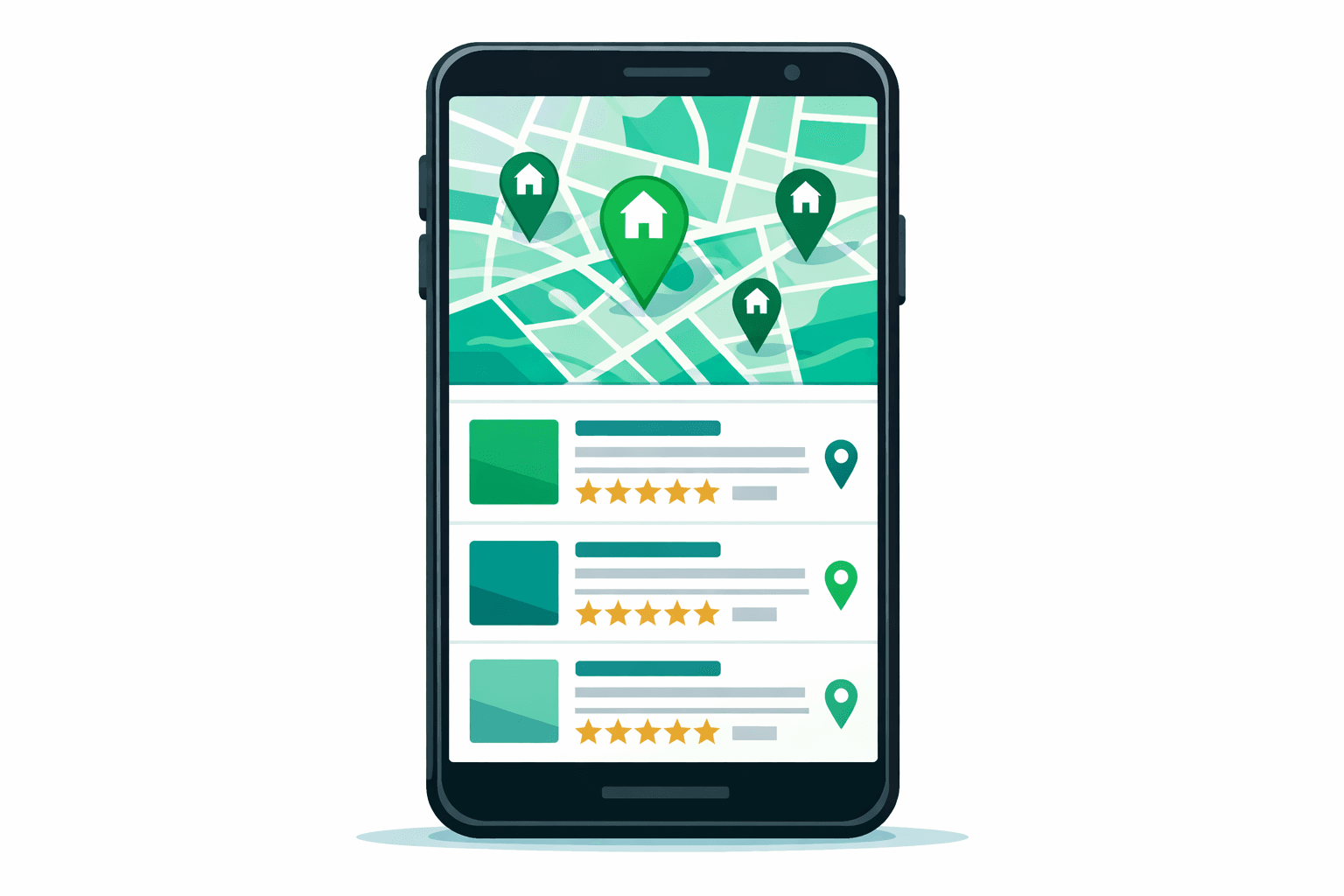
For local businesses, location-based AI marketing has become incredibly sophisticated. These tools can create content around local events, seasonal trends, and community interests while promoting your services naturally.
What's working:
Operations AI That Simplifies Complex Tasks
Behind-the-scenes operations have seen major AI improvements this year. Inventory management, staff scheduling, and financial forecasting can now be largely automated without losing the personal touch that makes small businesses special.
AI-powered inventory systems predict when you'll run out of products based on booking patterns, seasonal trends, and usage rates. They can automatically reorder supplies and even suggest new products based on customer requests and market trends.
Staff scheduling AI considers employee preferences, skill sets, and availability while ensuring optimal coverage for your busiest times. It can predict when you'll need additional coverage and suggest the most cost-effective scheduling arrangements.
Operational AI that delivers results:
Implementation Strategy: Start Small, Scale Smart
The most successful small businesses aren't trying to implement every AI tool at once. They're starting with their biggest pain point — usually customer service or scheduling — and expanding from there.
Begin by identifying where you're losing the most time or money. For most appointment-based businesses, that's missed calls and manual scheduling. Implement one AI solution, let it prove its value, then gradually add complementary tools.
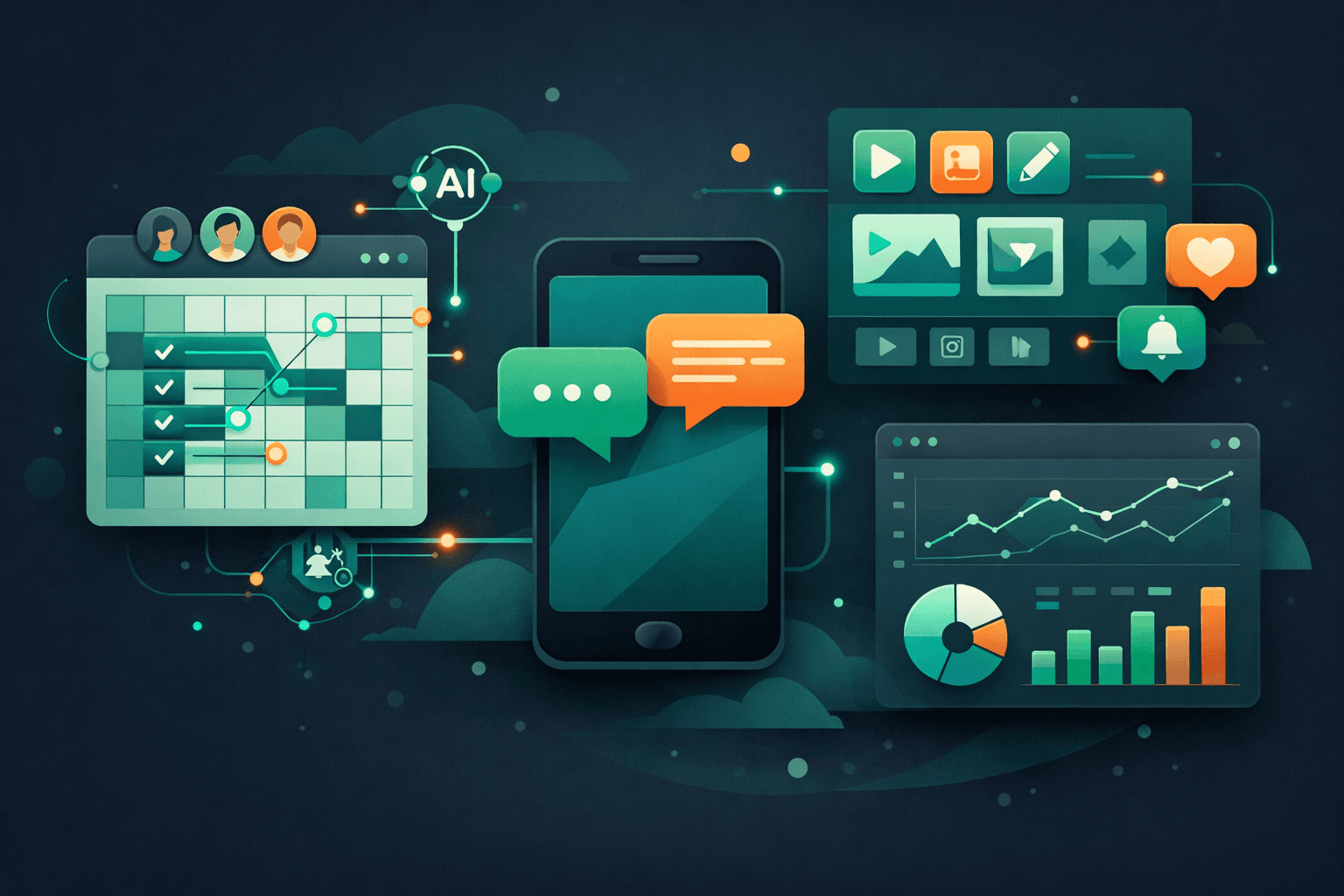
Integration is crucial. The best AI tools work together, sharing data and automating handoffs between systems. A customer who books through your AI receptionist should automatically receive AI-generated confirmation emails and appointment reminders without any manual work from you.
Smart implementation approach:
Looking Ahead: AI Trends to Watch
The AI tools gaining traction in 2026 share common characteristics: they're built for real business operations, integrate seamlessly with existing workflows, and deliver measurable ROI within weeks.
Personalization is becoming more sophisticated without becoming creepy. AI can now tailor every customer interaction based on booking history, preferences, and behavior patterns while maintaining natural, human-like communication.
Predictive capabilities are moving beyond simple forecasting. AI can now predict which customers are likely to cancel, which services they might want to add, and when they're most likely to book their next appointment. This enables proactive customer service that feels thoughtful rather than pushy.
The businesses thriving with AI in 2026 aren't the ones with the most advanced technology — they're the ones using practical AI tools to solve real problems and create better customer experiences.
FAQ
How much should small businesses budget for AI tools?
Most effective business AI tools range from $50-500 per month, depending on your business size and needs. Start with one tool that addresses your biggest pain point and expand based on proven ROI.
Can AI tools integrate with existing booking systems like Vagaro or Boulevard?
Yes, modern AI tools are built to integrate with popular booking platforms. Look for solutions that offer direct API integrations rather than workarounds that create extra steps.
How long does it take to see results from AI implementation?
Most businesses see measurable improvements within 2-4 weeks. Customer service AI typically shows results immediately, while marketing AI may take 4-6 weeks to optimize based on your specific audience.
What happens if the AI makes a mistake with a customer?
Quality AI systems include monitoring, correction capabilities, and seamless handoff to human staff when needed. Choose tools that log all interactions and allow easy override of AI decisions.