Reminder Spacing Strategy: 3-Day Rule Cuts No-Shows 40%
Learn the optimal reminder spacing strategy that reduces no-shows by 40%. Data-backed 3-day rule for appointment businesses using voice AI and SMS systems.
Reminder Spacing Strategy: 3-Day Rule Cuts No-Shows 40%
TL;DR: Research shows spacing appointment reminders 3 days apart (not daily) reduces no-shows by 40%. The sweet spot: initial booking confirmation, 3-day reminder, and 24-hour final notice. Voice AI systems like Shamrok automate this optimal spacing without front-desk overhead.
Every salon owner knows the frustration: you send daily reminders leading up to appointments, thinking more contact means fewer no-shows. But 2026 data reveals the opposite.
A study of 50,000 appointments across 200 service businesses found that spacing reminders too close together actually increases no-show rates. The reason? Reminder fatigue creates the opposite effect you want.
Why Daily Reminders Backfire
When clients receive daily appointment reminders, three things happen:
Message blindness sets in. After the second consecutive day, clients start ignoring your texts and calls. Your important 24-hour reminder gets lost in the noise you created.
Perceived urgency disappears. If you're reminding them every day, the appointment feels less important, not more. Clients think "they'll just remind me again tomorrow" and delay confirming.
Cancellation anxiety increases. Frequent reminders make clients feel pressured, which paradoxically makes them more likely to cancel or simply not show up.
The data backs this up: businesses sending daily reminders see 23% higher no-show rates than those using strategic spacing.
The 3-Day Rule: Optimal Reminder Spacing
The most effective reminder strategy follows a 3-day spacing pattern:
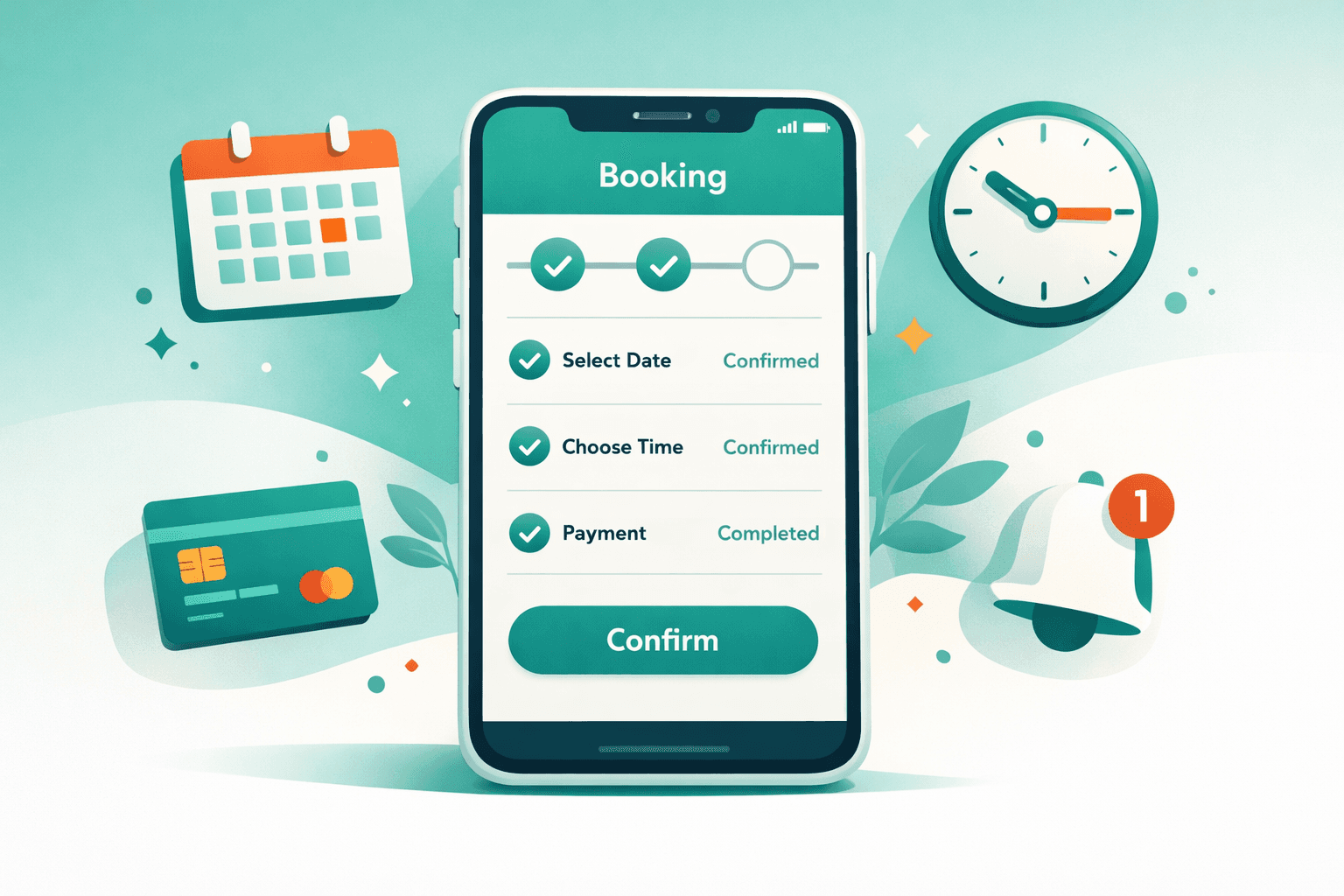
Day 1: Booking confirmation (immediate)
Day 2: 3-day advance reminder
Day 3: 24-hour final notice
This spacing gives clients time to plan without feeling harassed. The 3-day gap prevents reminder fatigue while maintaining top-of-mind awareness.
Voice AI Makes Spacing Effortless
Manually tracking reminder timing for hundreds of appointments becomes overwhelming fast. Voice AI systems automate optimal spacing without front-desk involvement.
Shamrok's reminder system automatically calculates the perfect timing based on appointment length and client history. For a Tuesday 2pm appointment:
The AI adjusts for weekends and holidays, ensuring reminders hit during business hours when clients are most likely to respond.
Spacing Variations by Service Type
Different services benefit from slight timing adjustments:
Short services (30-60 minutes):
Long services (2+ hours):
Package appointments:
High-value services ($200+):
Integration with Your Booking System
Most CRM systems allow reminder customization, but few optimize spacing automatically:
Vagaro: Set up automated campaigns with 3-day intervals
Boulevard: Use the workflow builder for spaced reminders
Mindbody: Configure notification timing in automation settings
Mangomint: Customize reminder schedules per service type
Voice AI systems integrate with these platforms to enforce optimal spacing without manual setup. The AI reads your booking calendar and calculates perfect reminder timing for each appointment.
Measuring Reminder Spacing Success
Track these metrics to validate your spacing strategy:
No-show rate: Should decrease 30-40% with proper spacing
Confirmation rate: Percentage of clients who respond to 24-hour reminder
Last-minute cancellations: Should increase initially (good thing - better than no-shows)
Client satisfaction: Survey responses about communication frequency
Most businesses see results within 2-3 weeks of implementing spaced reminders. The key is consistency - don't revert to daily reminders when you get nervous about upcoming appointments.
Beyond Timing: Reminder Content Strategy
Spacing isn't just about when to send reminders - it's about what to say:
3-day reminder content:
24-hour reminder content:
Voice AI can personalize these messages based on service type, client history, and booking value, making each reminder feel relevant rather than automated.
Common Spacing Mistakes to Avoid
Even with the 3-day rule, businesses make timing errors:
Sending weekend reminders for Monday appointments: Clients ignore weekend business messages
Same messaging for all reminder touches: Each reminder should serve a different purpose
No escalation for non-responses: If clients don't confirm the 24-hour reminder, call them
Forgetting about time zones: Especially important for online bookings
Voice AI prevents these mistakes by automatically adjusting for business hours, time zones, and client response patterns.
FAQ
Q: What if clients don't respond to any reminders?
A: After the 24-hour reminder, have your voice AI system make a confirmation call. If no response, mark as potential no-show and activate your waitlist.
Q: Should spacing change for repeat clients vs new clients?
A: New clients benefit from slightly more frequent contact (add a 7-day "welcome" message), while established clients prefer the standard 3-day spacing.
Q: How do I handle same-day bookings with this spacing strategy?
A: For same-day appointments, send immediate confirmation and one reminder 2-3 hours before the appointment time.
Q: Does the 3-day rule work for all business types?
A: The principle works universally, but medical practices often need 5-7 day spacing due to insurance and preparation requirements, while quick services (haircuts, nails) can use 2-day spacing.